
More-than-Human Water Architectures
JAYASRI SRIDHAR
The inquiries pursued in this project have their roots in my graduation project at the National Institute of Design, Ahmedabad, a film called Maraluva Daari (Path of Return). The hybrid documentary emerged from a design project aiming to tell a local non-anthropocentric tale of the Anthropocene. Interweaving mythology, storytelling and ecology shifted something fundamental in my practice. It left me with a strengthened commitment to discovering and articulating cultures of care for our shared home, and I have consistently gravitated toward collaborators working closely on these thematic strands ever since. The unrelated stories and threads we pick up along our journeys often become unexpected catalysts for newer knowledge, curiosities and behaviours.
It is this logic that guides the outcome of Mapping More-than-human Waters.
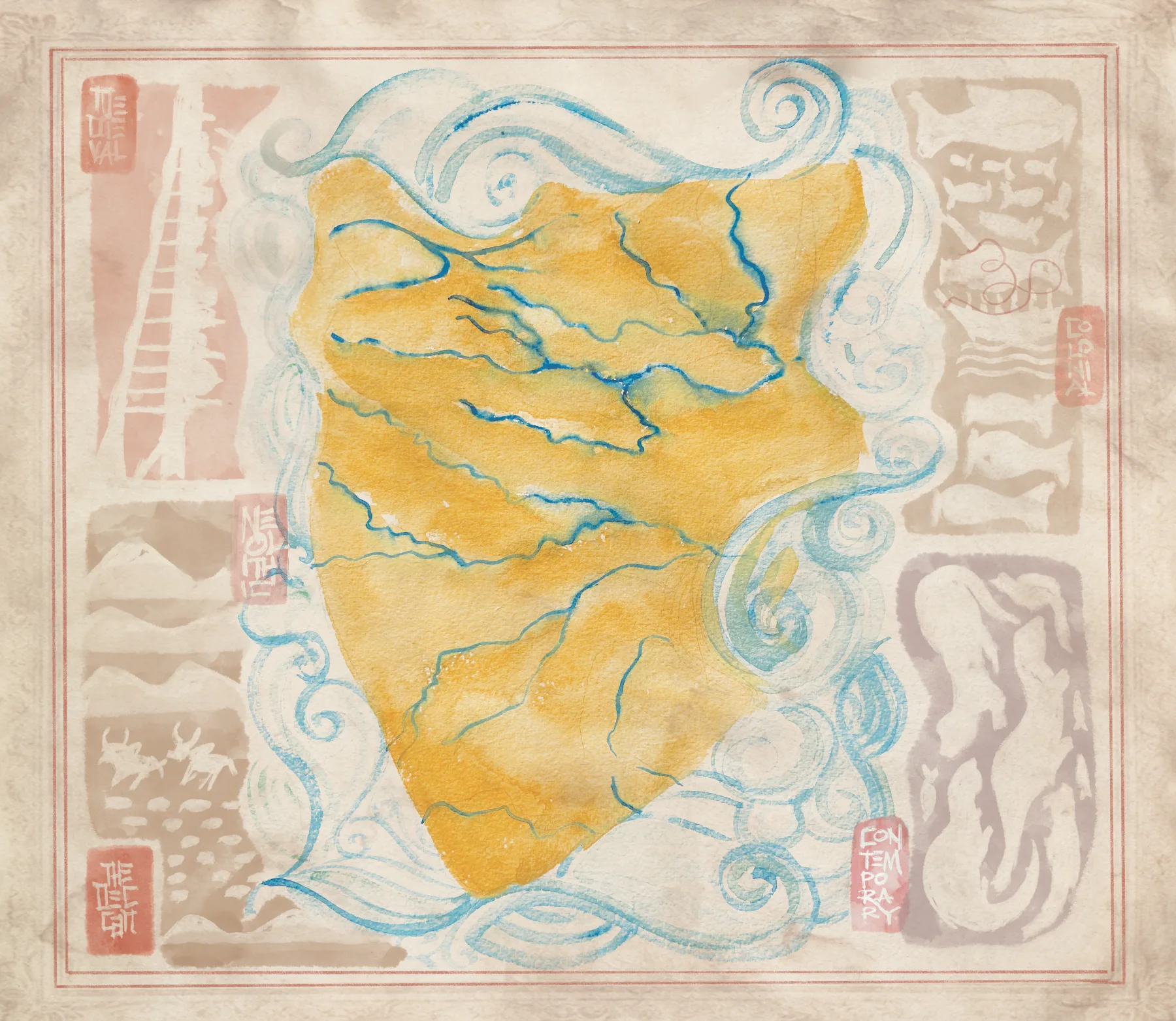
My Deccan Water Chapter fellowship project unravelled from a desire to understand how the Deccan's water systems, across ancient, medieval, colonial and post-Independence periods, have intersected with more-than-human ecologies. The Deccan Plateau, through which major river systems such as the Godavari, Bhima, Krishna, and Kaveri flow, has long served as a confluence zone between the north and south of the country, and is layered with distinct languages, literary traditions, and histories. Spanning the breadth of this geography, my research took me through fascinating aspects of how multispecies interactions, architectures and anthropogenic influences actively reshaped life, through interviews, fieldwork, and secondary research into water histories.
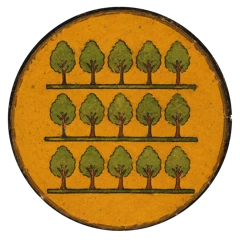
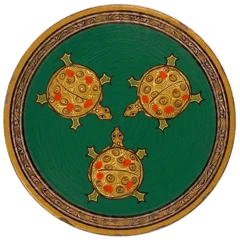
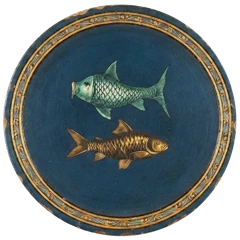
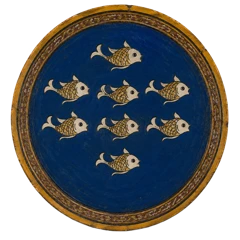
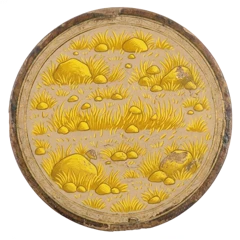
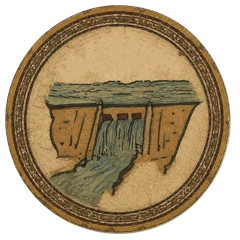
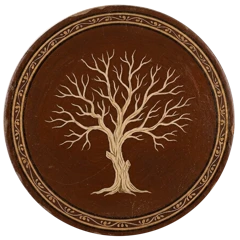
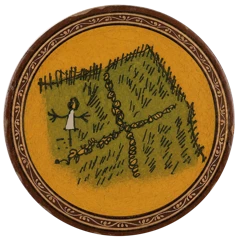
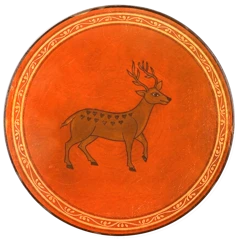
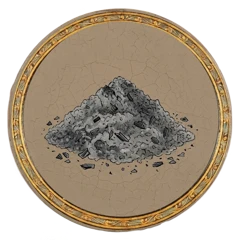
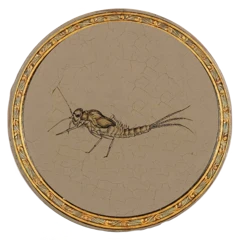
Drawing inspiration from the curatorial frameworks of projects like Feral Atlas (Tsing et al.)—which explores the ecological worlds created when non-human entities become entangled with human infrastructure—the outcome collating these discoveries took shape organically: an interactive experience bringing together an interconnected web of story-snippets, to be revealed through play. This digital game is a single-player prototype; its fuller form is envisioned as a multiplayer physical game, interweaving systems thinking with a format inspired by the traditional Indian board and card games of Gyanbaazi and Ganjifa.
More-than-Human Water Architectures
JAYASRI SRIDHAR
The inquiries pursued in this project have their roots in my graduation project at the National Institute of Design, Ahmedabad, a film called Maraluva Daari (Path of Return). The hybrid documentary emerged from a design project aiming to tell a local non-anthropocentric tale of the Anthropocene. Interweaving mythology, storytelling and ecology shifted something fundamental in my practice. It left me with a strengthened commitment to discovering and articulating cultures of care for our shared home, and I have consistently gravitated toward collaborators working closely on these thematic strands ever since. The unrelated stories and threads we pick up along our journeys often become unexpected catalysts for newer knowledge, curiosities and behaviours.
It is this logic that guides the outcome of Mapping More-than-human Waters.
My Deccan Water Chapter fellowship project unravelled from a desire to understand how the Deccan's water systems, across ancient, medieval, colonial and post-Independence periods, have intersected with more-than-human ecologies. The Deccan Plateau, through which major river systems such as the Godavari, Bhima, Krishna, and Kaveri flow, has long served as a confluence zone between the north and south of the country, and is layered with distinct languages, literary traditions, and histories. Spanning the breadth of this geography, my research took me through fascinating aspects of how multispecies interactions, architectures and anthropogenic influences actively reshaped life, through interviews, fieldwork, and secondary research into water histories.
Drawing inspiration from the curatorial frameworks of projects like Feral Atlas (Tsing et al.)—which explores the ecological worlds created when non-human entities become entangled with human infrastructure—the outcome collating these discoveries took shape organically: an interactive experience bringing together an interconnected web of story-snippets, to be revealed through play. This digital game is a single-player prototype; its fuller form is envisioned as a multiplayer physical game, interweaving systems thinking with a format inspired by the traditional Indian board and card games of Gyanbaazi and Ganjifa.

Ganjifa Game
Landscapes are not backdrops for historical action: they are themselves active. As sites for more-than-human dramas, landscapes are radical tools for decentering human hubris. Watching landscapes in formation shows humans joining other living beings in shaping worlds.
uncover story 01
Telling stories of landscape requires getting to know the inhabitants of the landscape, human and non-human. This is not easy, and it makes sense to me to use all the learning practices I can think of.
uncover story 01
— Anna Tsing
uncover story 01
Instructions: Select any two cards to uncover the connections between them.
Ganjifa Game
Landscapes are not backdrops for historical action: they are themselves active. As sites for more-than-human dramas, landscapes are radical tools for decentering human hubris. Watching landscapes in formation shows humans joining other living beings in shaping worlds.
uncover story 01
Telling stories of landscape requires getting to know the inhabitants of the landscape, human and non-human. This is not easy, and it makes sense to me to use all the learning practices I can think of.
uncover story 01
— Anna Tsing
uncover story 01
Instructions: Select any two cards to uncover the connections between them.











modern infrastructure
colonial era
neolithic settlements
modern infrastructure
colonial era
neolithic settlements
