
The Kurumars and those Water Fences
Jeff Joseph Paul Kadicheeni
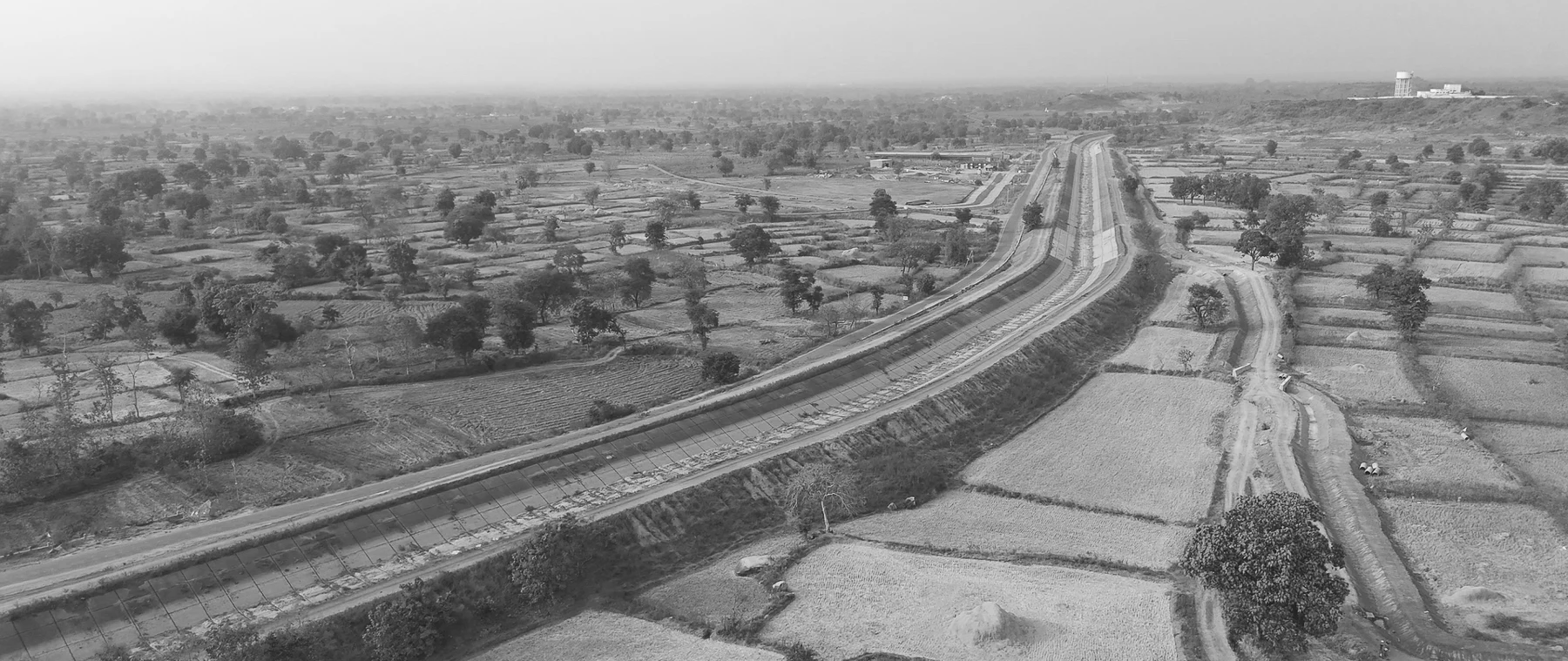
Kurumars and those Water Fences takes an exploratory view of the changes underway in a pastoral community, the Kurumars of Chandrapur district in the state of Maharashtra in central India. At the heart of the tensions brewing in these pastoral hinterlands is the dissonance that a different way of looking at and utilising nature as a resource has created.
Pastoral landscapes have always been terra incognita and terra infirma. They have been the stage of an invisible heterotopia where ways of living, cultures, languages and social interactions at the interstices of a forever shifting history change course in their states of flux in keeping with the shifting means and modes of general production. It is here that the temporal, spatial and historical relations of a society under duress in a country evolving as a para-colonial entity of civilizational scale encounters the Indian nation state in its utilitarian conceptions around resources— mainly water, land and forests.
Watch the documentary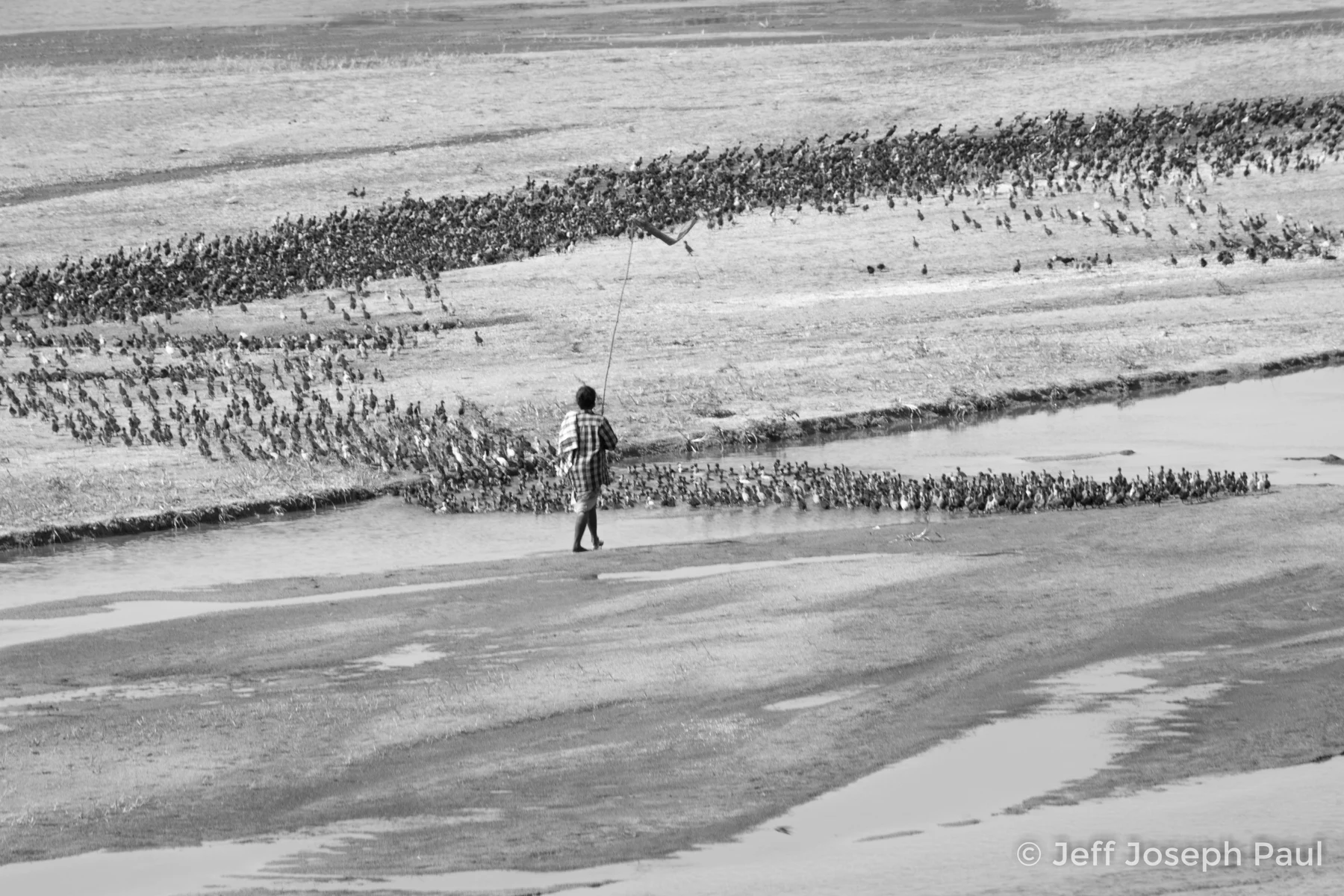
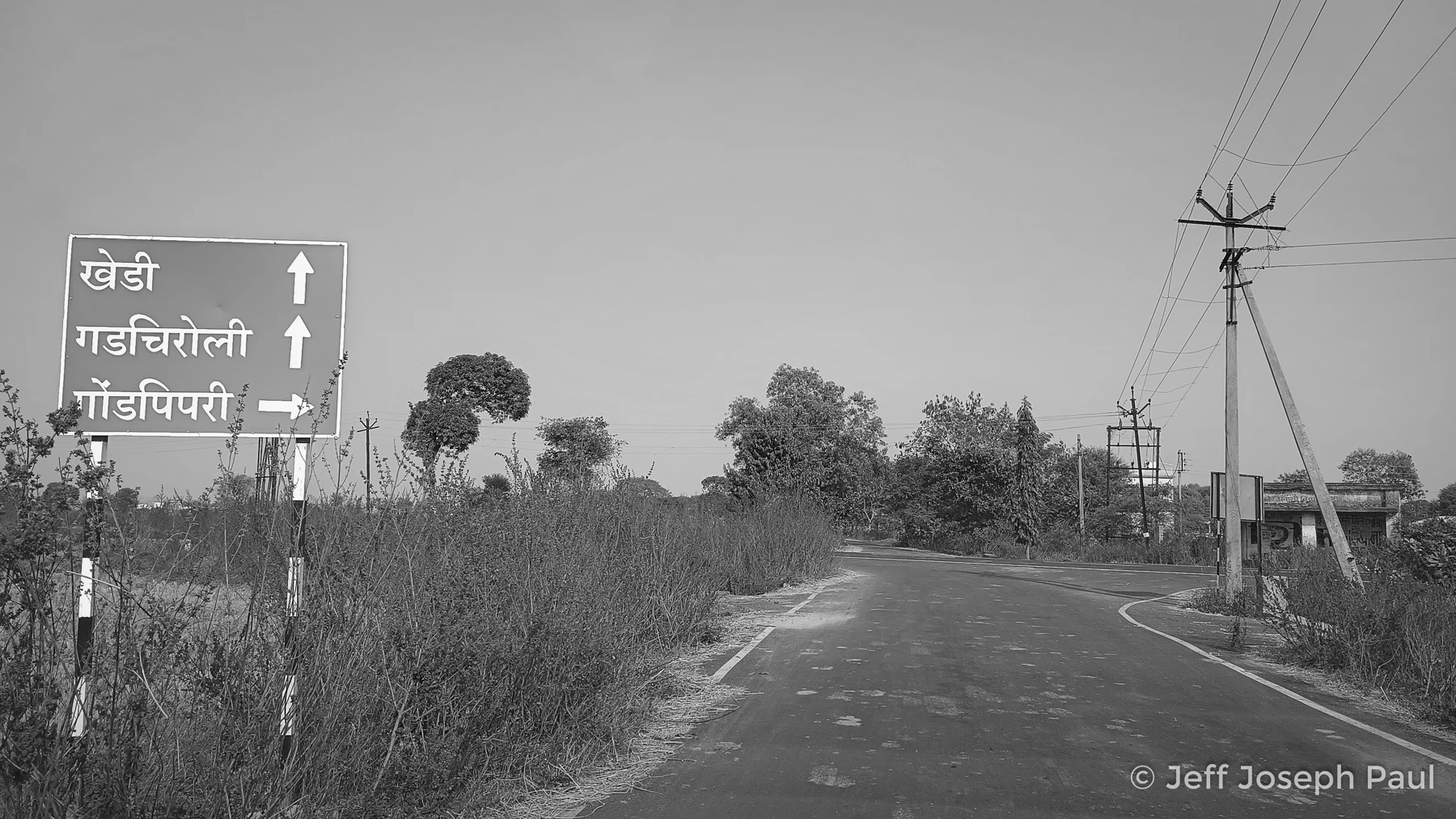
With their unique history and language— Kurumari, an archaic dialect of Kannada, the Kurumars stand out distinctly within the cultural surroundings that they occupy in the Marathi speaking Vidarbha region. The Kurumari way of life and traditions are as rich as they are still vibrant, but they now stand at risk of slipping into an abyss. The entry of irrigation schemes, fortress conservation projects and mining has changed their equations with Jal, Jungle and Zameen (water, forest and land), over which they once seamlessly traversed.
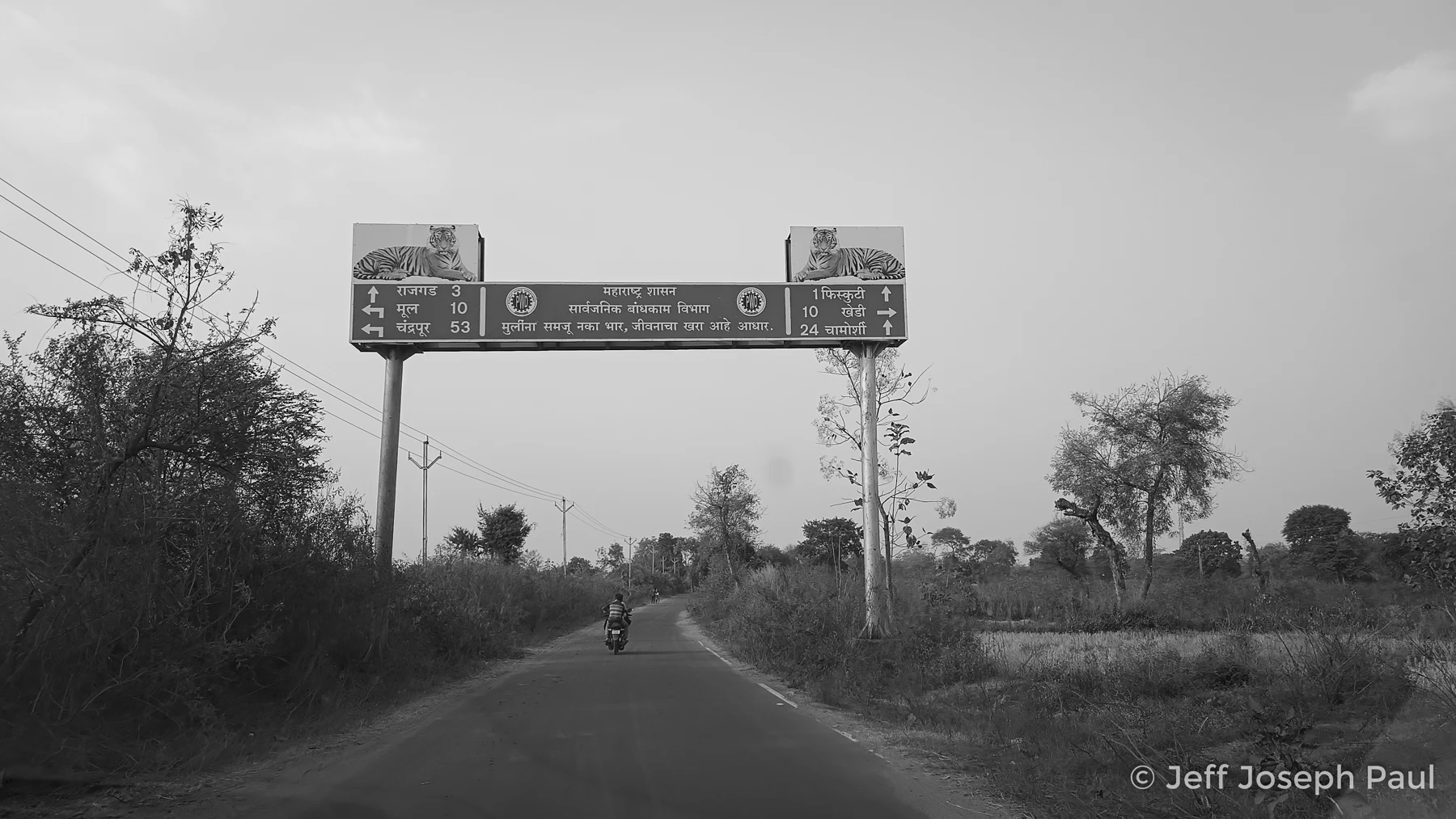
Pastoral communities have historically been societies sited at the penumbra of the mainstream and its wilderness. Stepping in and out at ease, with scant regard for borders or boundaries, their existence through time have been suspended within the invisible cycles of nature. But the freedom hitherto afforded to these perennial wanderers are now being curtailed— by restrictions imposed upon them by the nation state and the market forces which have hijacked, co-opted and enslaved it with colonising
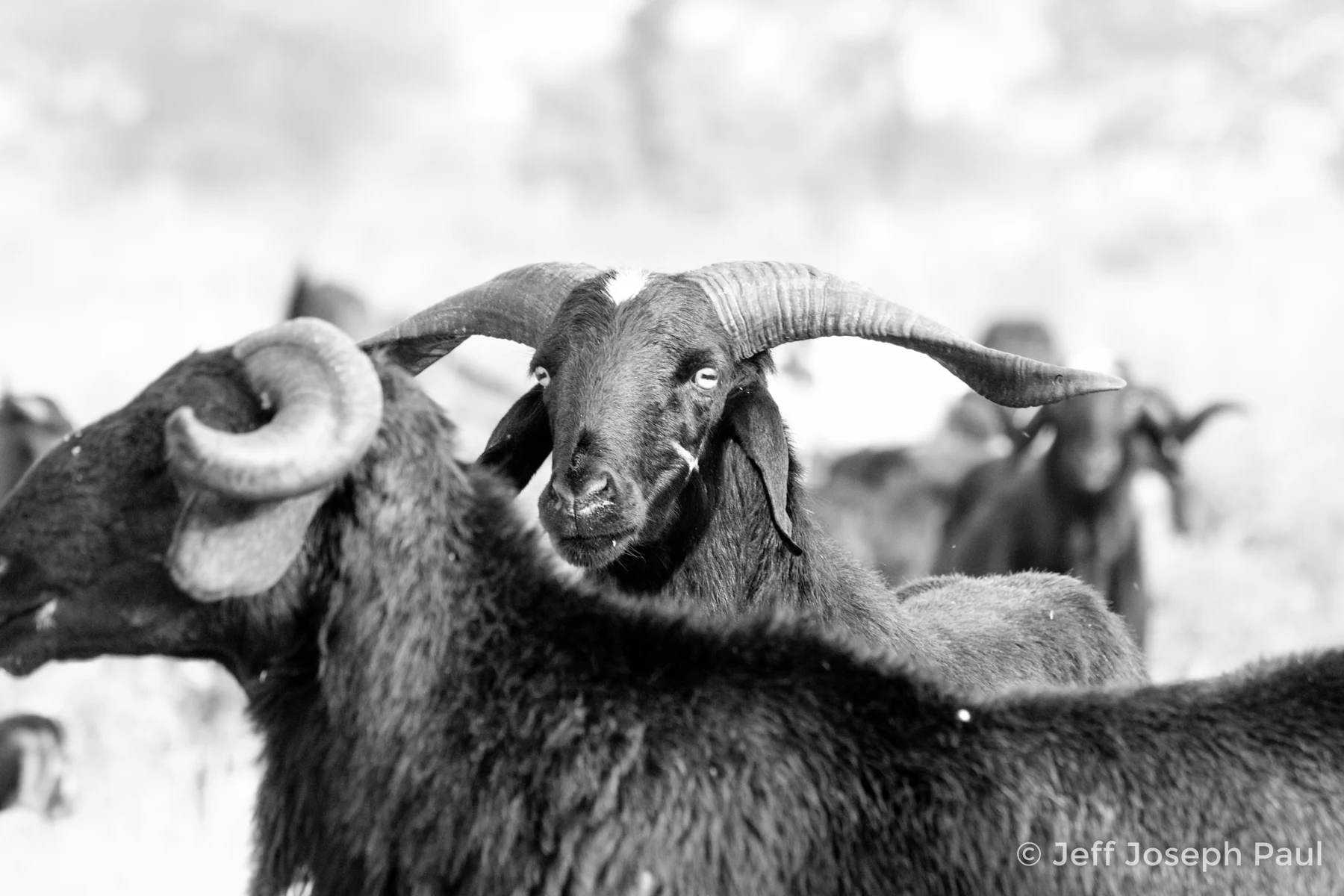
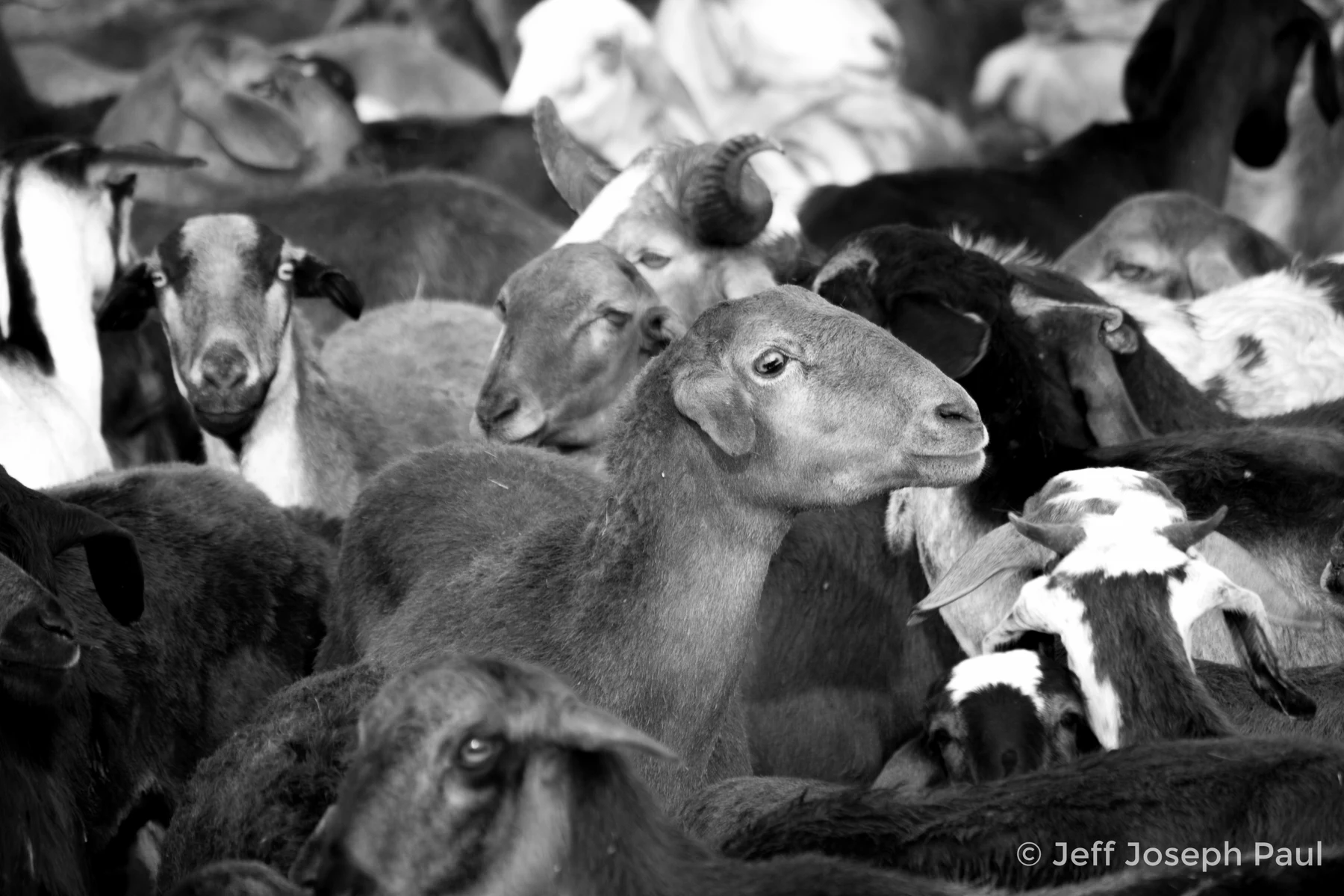
That earth must produce, and forever add value, not for sustenance or survival, but for efficient extraction and increased productivity have come to be the accepted wisdom of our times. That land must never lay at ease but must yield record haulage each year to justify its existence have become a priority even. And towards that end, it must also support an-ever increasing number of crops or fenced wild animals to be at the service of a system which otherwise actively destroys at scale.
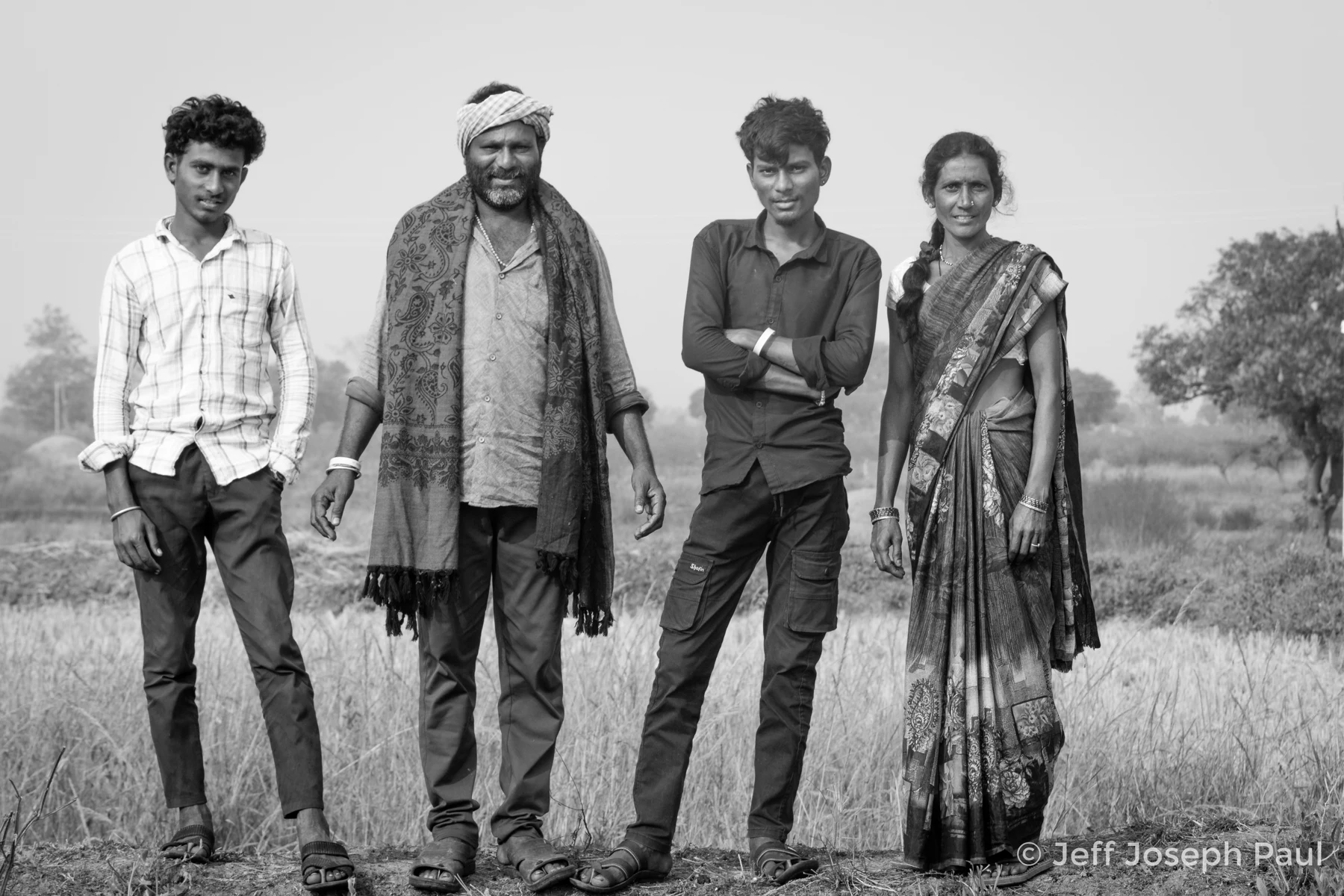


The conflicts surrounding these shared resources, especially water, while symptomatic of day-to-day pressures of the times, are also indicative of the churn that is turning the wheel for the Kurumars— a shift away from pastoral ways of living and thinking. And it is a process that is actively underway in Chandrapur. The supposedly set ways of pastoralism, once the breeze that carried civilization in the subcontinent, is being funnelled through a time when their continuity itself is being contested, leaving landscapes scarred, livelihoods scattered and communities severed from within. This bloodless violence is now writ large over the pastoral heartlands of Chandrapur in Maharashtra, home to the lost pastoralists— Kurumars, who find themselves barricaded by the Water Fences.
Kurumars and those Water Fences is an ode to their resolute defiance.
The Kurumars & Those Water Fences
Medium: Documentary / Length: 10 mins