
Whispers of the Krishna
Balu Sandilasya
Deep inside the Nallamala Forest, where rocky hills rise above dense woodland and narrow paths disappear into the wilderness, the lives of the Chenchu people continue to move with the rhythm of nature.
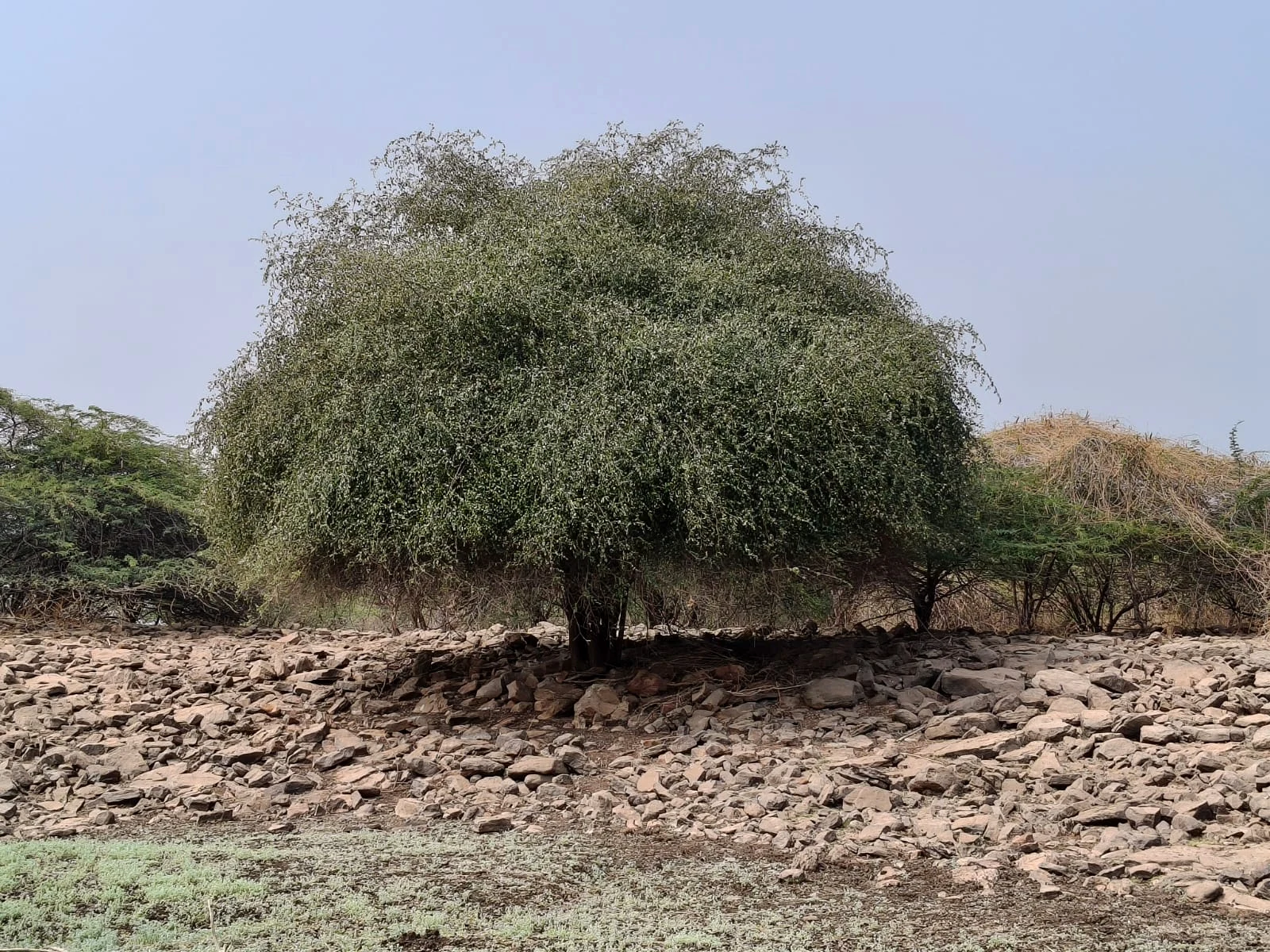
For generations, the Chenchus have lived among the palugu rallu, the rough stones that cover the landscape of Nallamala. The terrain is harsh, uneven, and difficult for outsiders to cross. Yet for the Chenchus, these forests are home, where every hill, valley, and bend of the Krishna River carries memory. The Chenchus are a Particularly Vulnerable Tribal Group belonging to the Dravidian tribal communities of South India. Though spread across Andhra Pradesh, Telangana, Karnataka, and Odisha, their true homeland lies deep within the forests of Nallamala along the Eastern Ghats. The forest has protected them for centuries, and nature is not separate from their lives; it is life itself.
Watch the documentary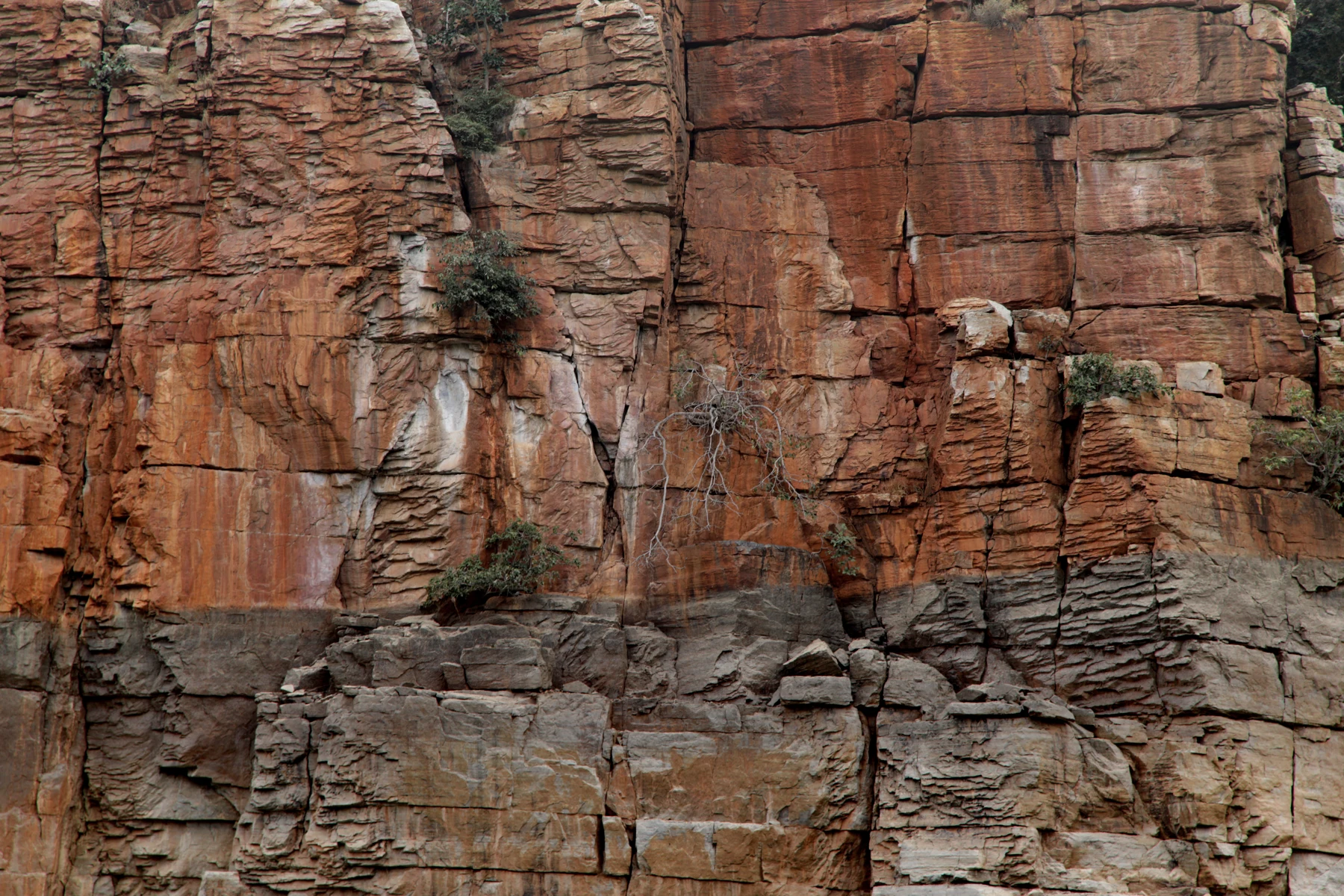
The forests of Nallamala are dry and rocky in many places, covered with open deciduous trees, bamboo groves, and seasonal streams. During summer, the land becomes harsh and barren. Dry grass burns under forest fires, trees lose their leaves, and the stony earth radiates heat beneath the sun. But with the arrival of the monsoon, the forest transforms completely. Fresh green leaves spread across the hills, climbers cover the trees, and flowering plants fill the valleys with colour and scent. The Chenchus understand these seasonal changes intimately because their survival depends on them.
Everyday life revolves around gathering food from the forest. Men and women walk long distances carrying digging sticks and baskets in search of edible roots, fruits, and herbs. Tubers such as nalla gadda, chenchu gadda, nula gadda and donda gadda form an important part of their diet. Some are available throughout the year, while others can only be collected during certain seasons. The roots are usually roasted over ash or boiled using small fires by their huts.
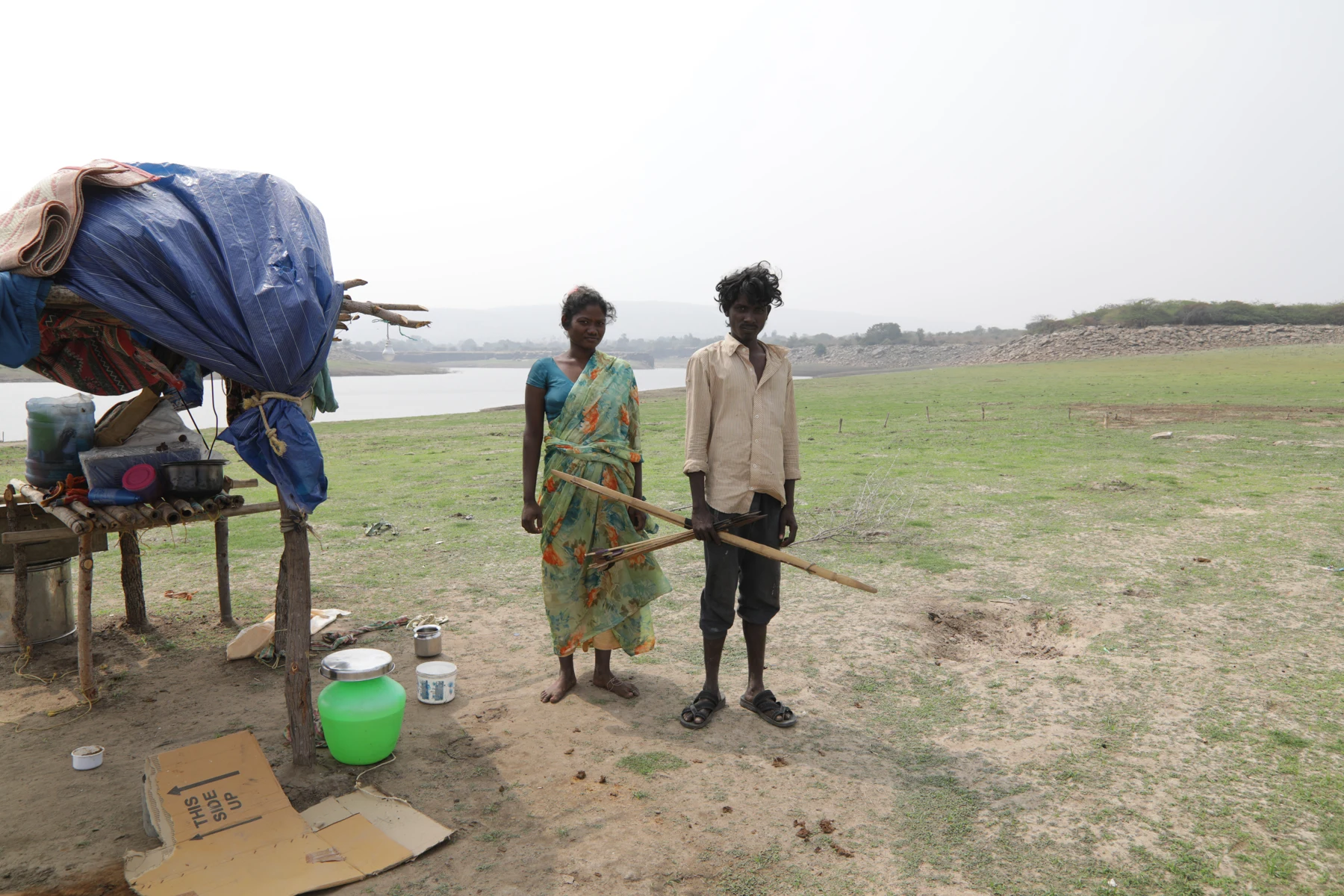
At different times of the year, the forest offers fruits that briefly break the monotony of the tuber diet. Tamarind, custard apples, wild mangoes, jungle figs, and berries of Buchanania trees become important seasonal foods. Mahua flowers, collected in large quantities during summer, are among the most valuable forest resources. The flowers are eaten fresh, boiled as food, or dried for brewing traditional liquor.
Honey gathering remains another important tradition. Chenchu men climb steep cliffs and tall trees using ropes made from forest fibre to collect honey from wild rock bees. Before climbing dangerous cliffs, they pray to forest deities for protection. The work requires immense courage and skill, and the honey they collect is shared among families or sold for income.
At the center of this world flows the Krishna River.
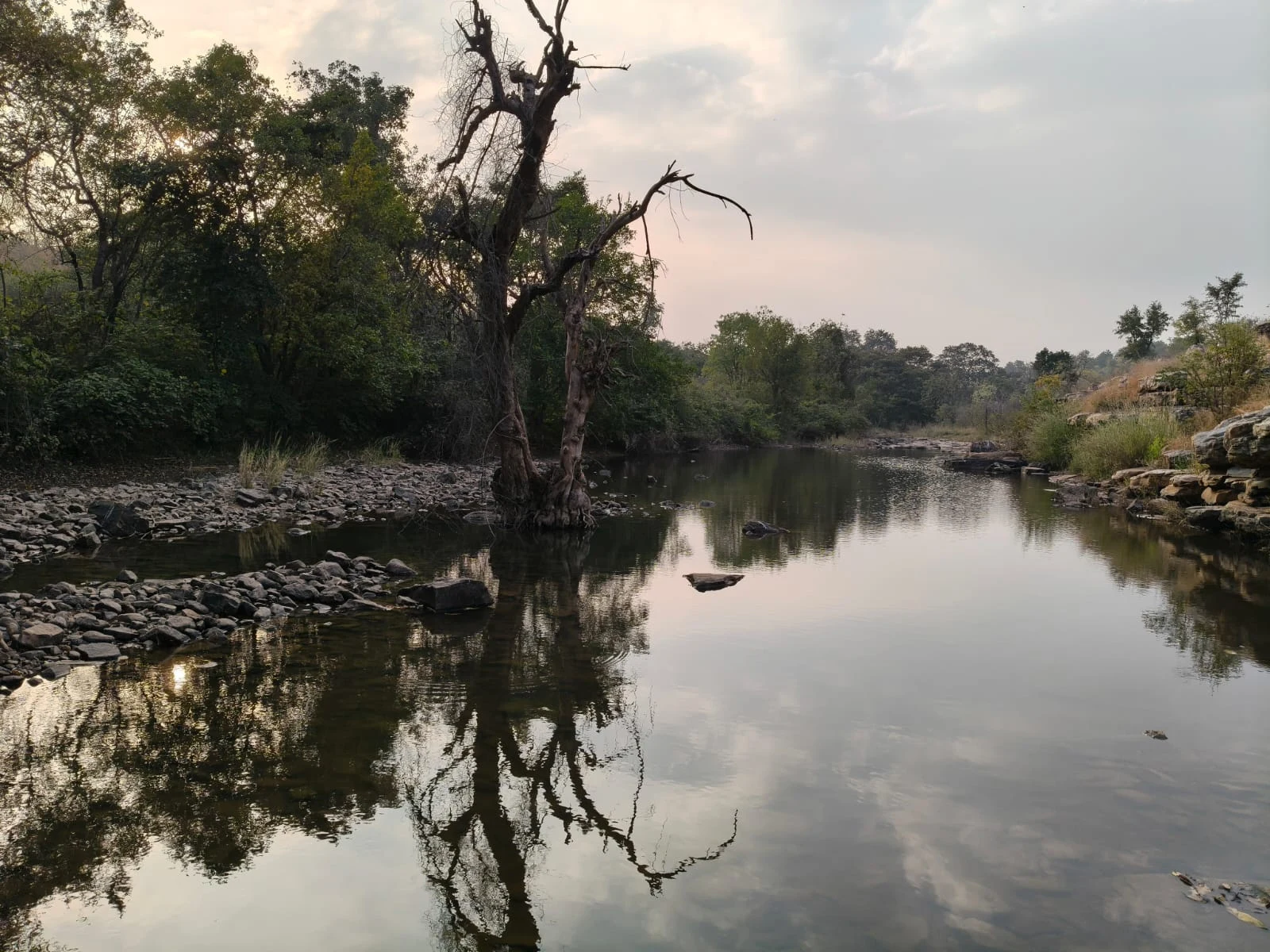
The river cuts through the deep valleys of Nallamala, sustaining both people and wildlife. In a region where water is scarce, the Krishna becomes the heart of survival. During the monsoon, the river turns fierce and unpredictable, flooding valleys and reshaping the land. The Chenchus move through hidden pathways called Eththavala, natural routes along the hills that allow safe travel when floodwaters rise.
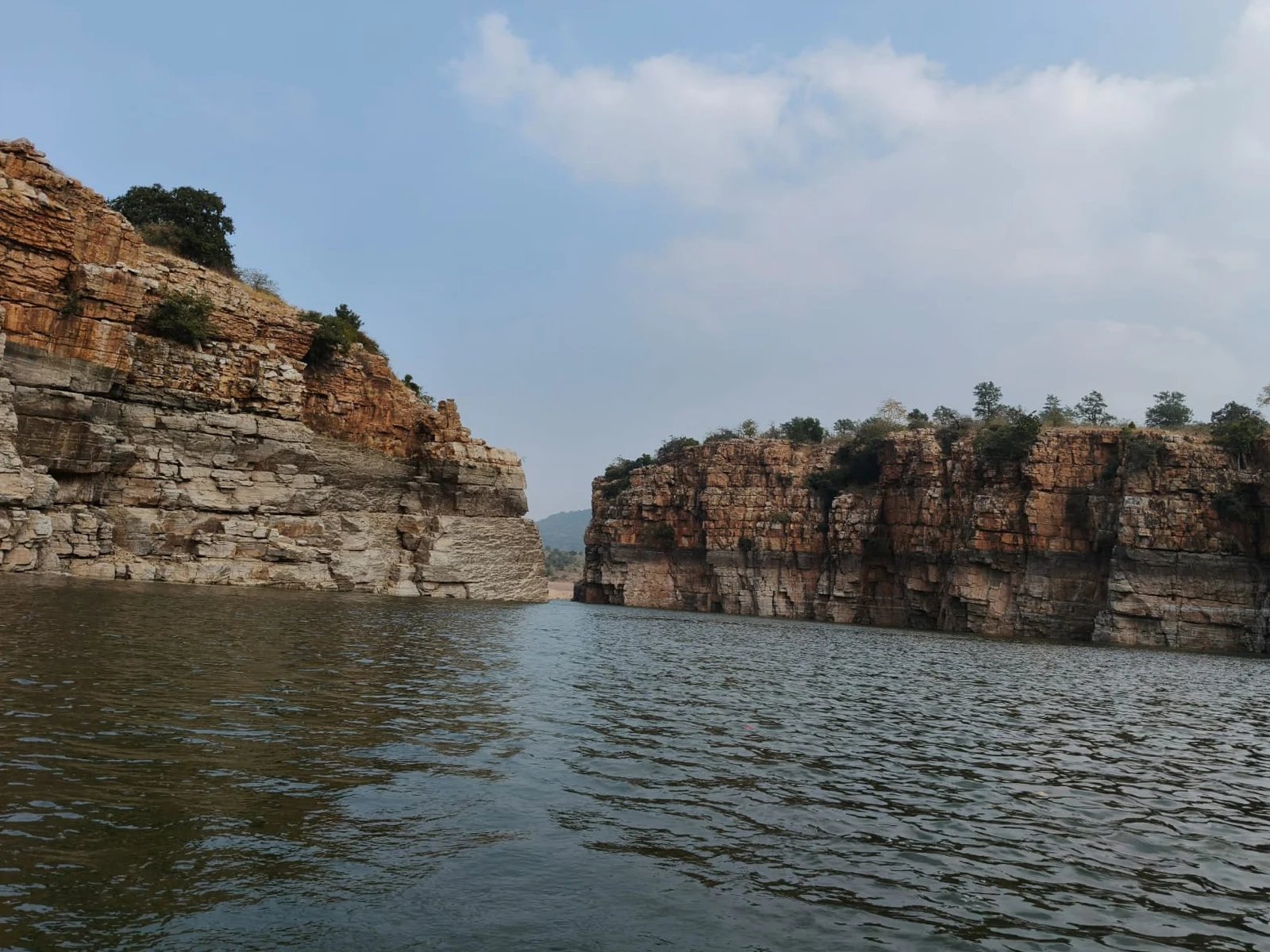
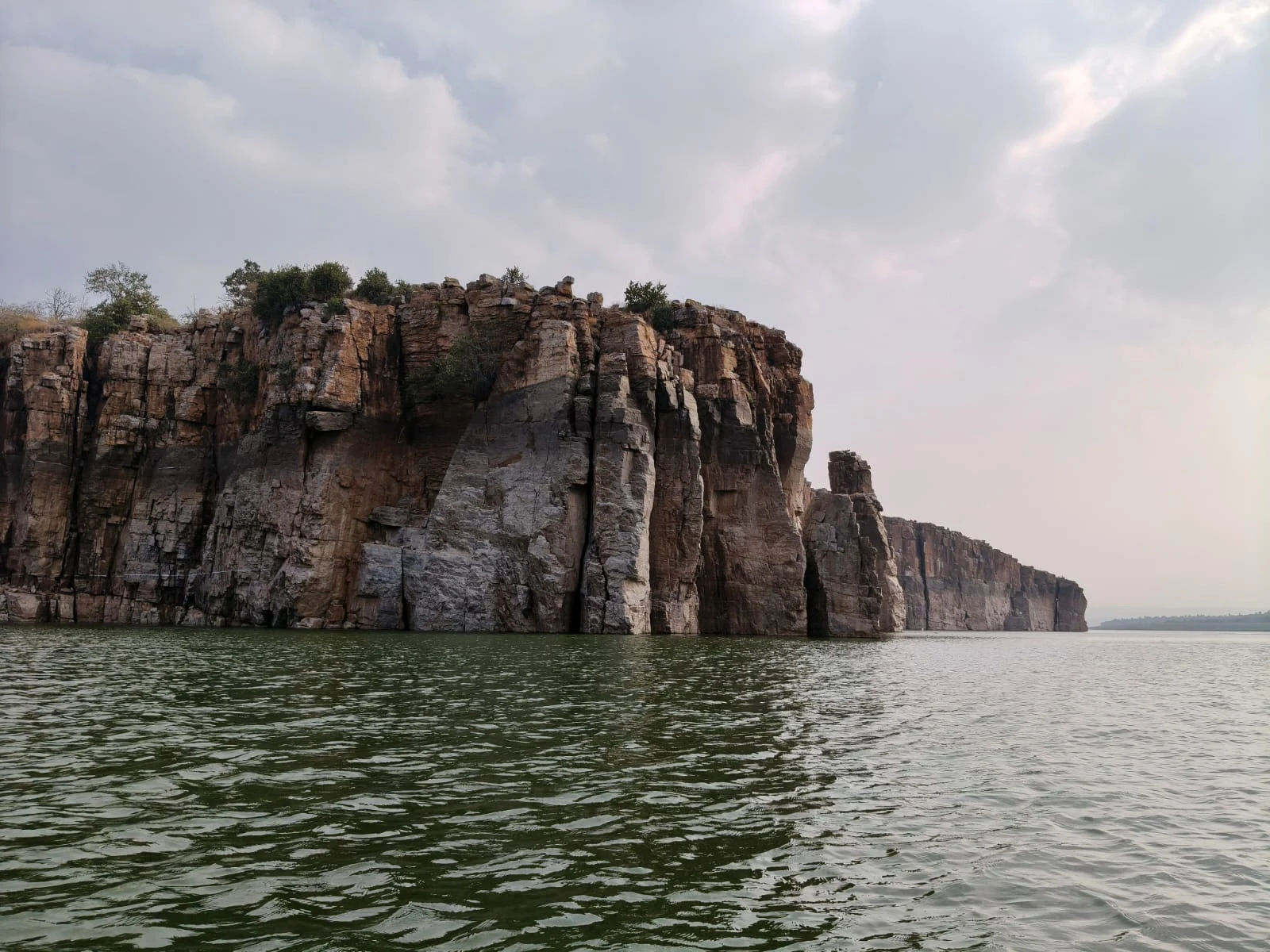
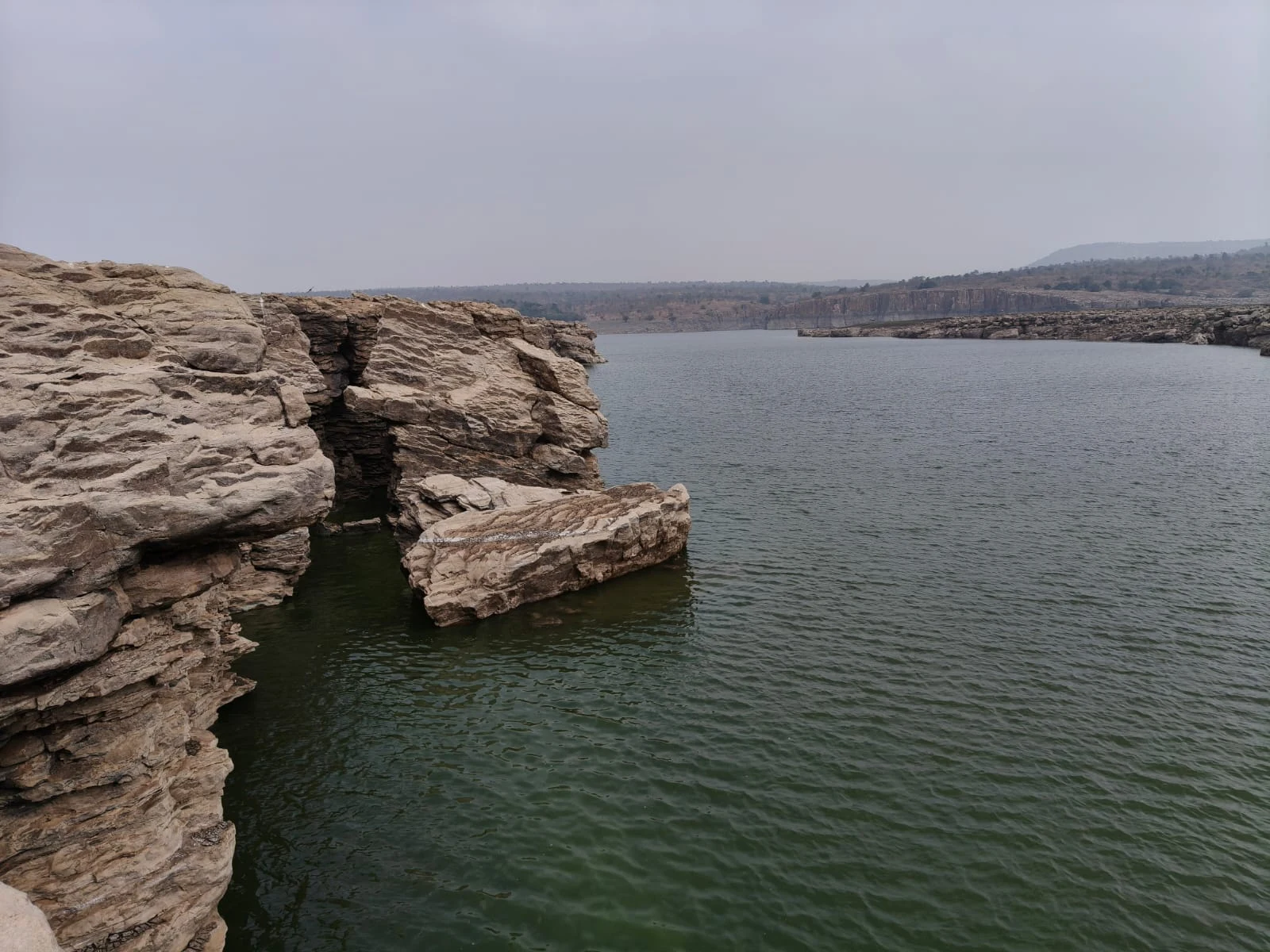
In summer, the river changes completely. The waters become calm and clear. Fish gather in shallow stretches while wild animals descend to drink at sunrise and dusk. The riverbanks become the center of everyday life.
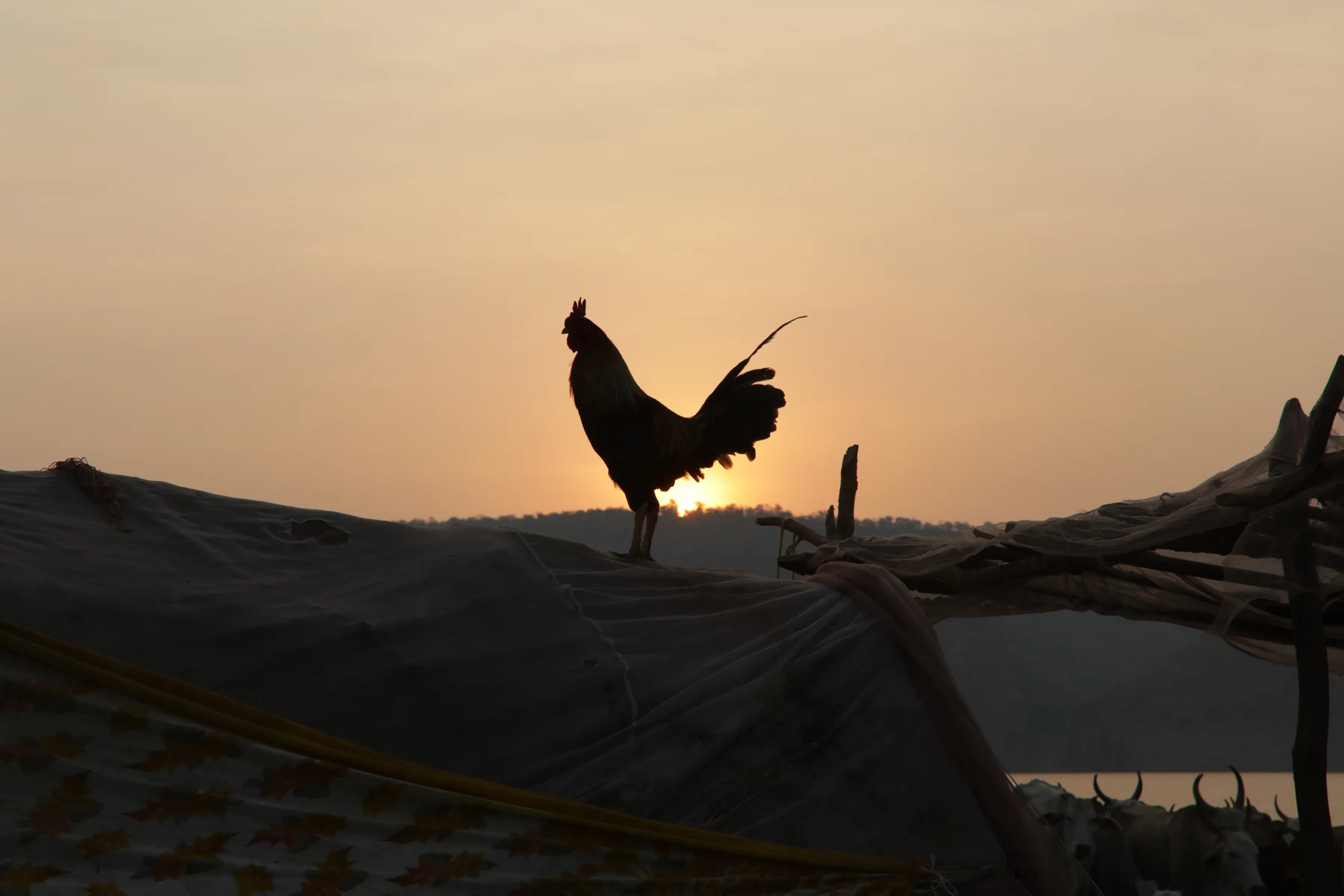
My journey into this world began at Maddimadugu. From there, we walked nearly twelve kilometers through dense forest to reach Geesagondi village. The route crossed dry canals, steep rocks, and endless stretches of palugu rallu. The deeper we moved into Nallamala, the farther the outside world seemed to disappear. The silence of the forest was broken only by birds, insects, and the distant sound of flowing water.
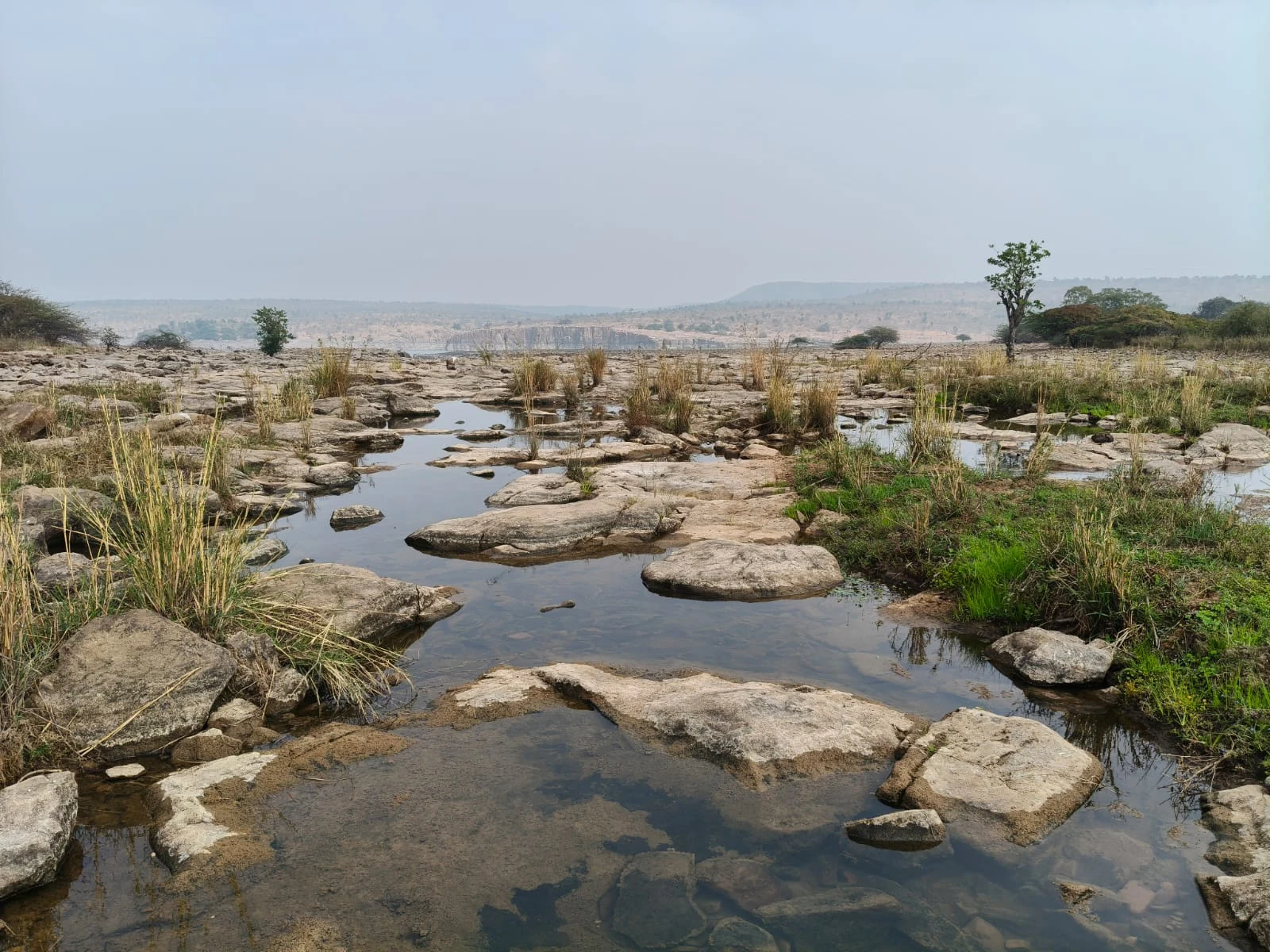
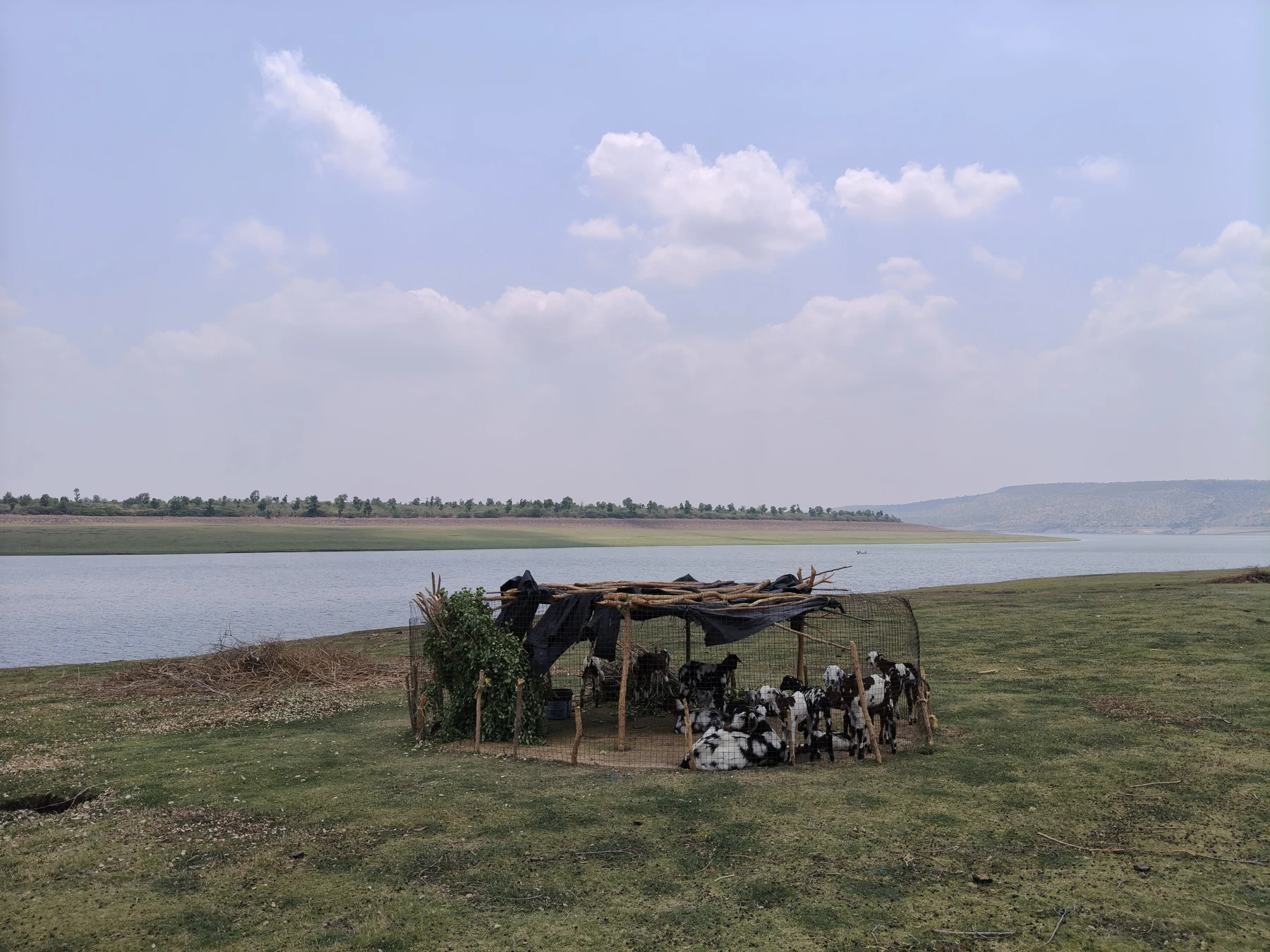
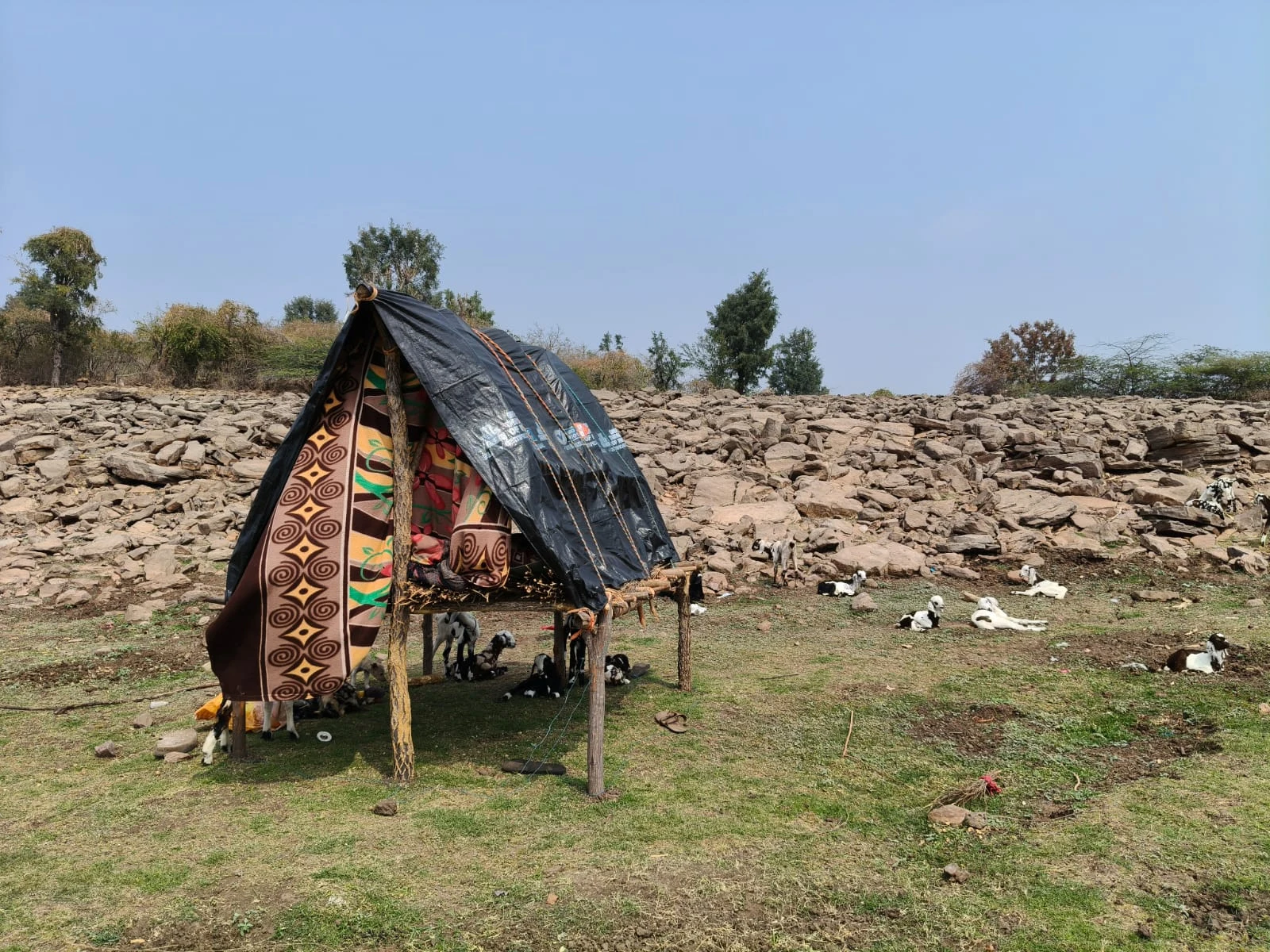
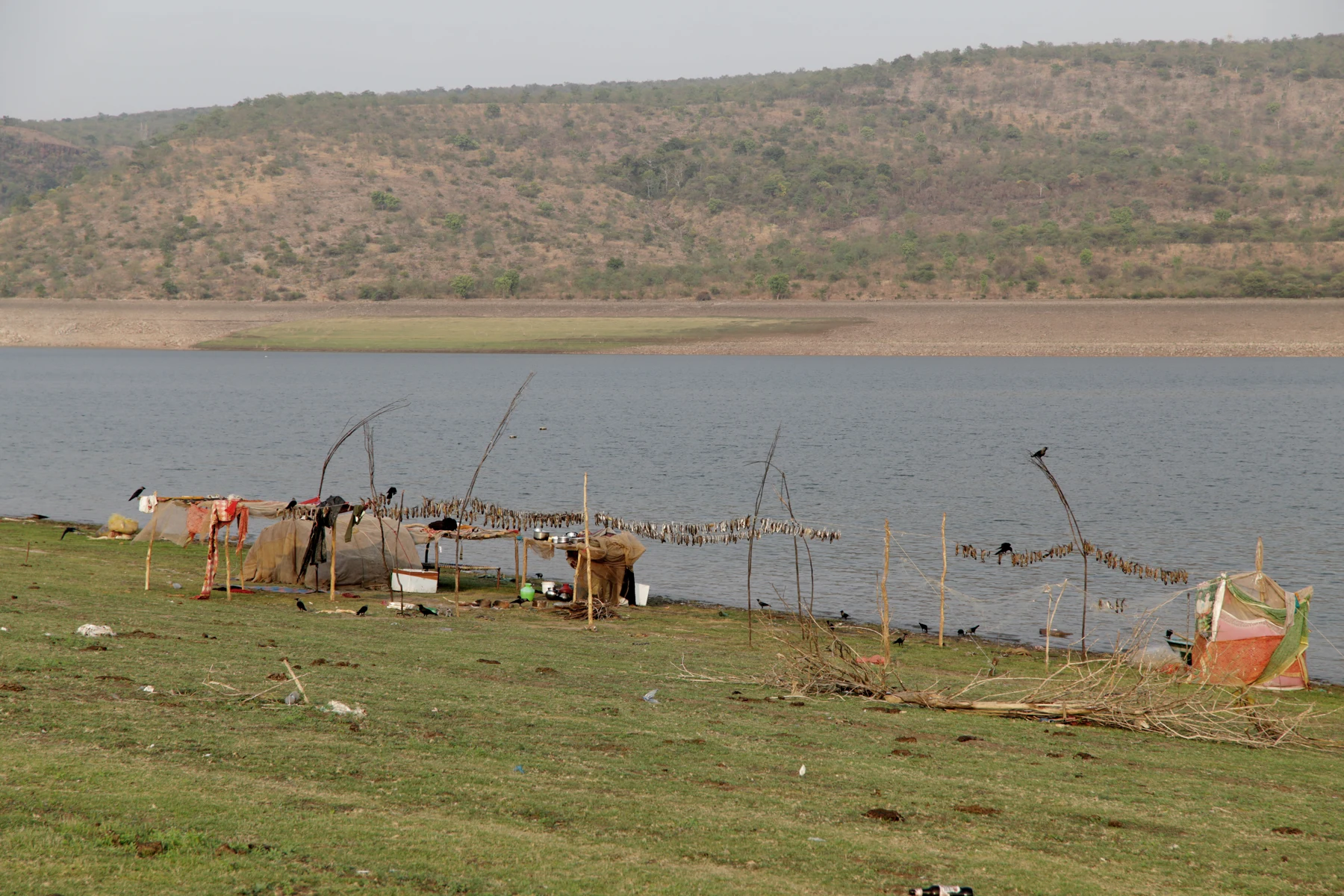
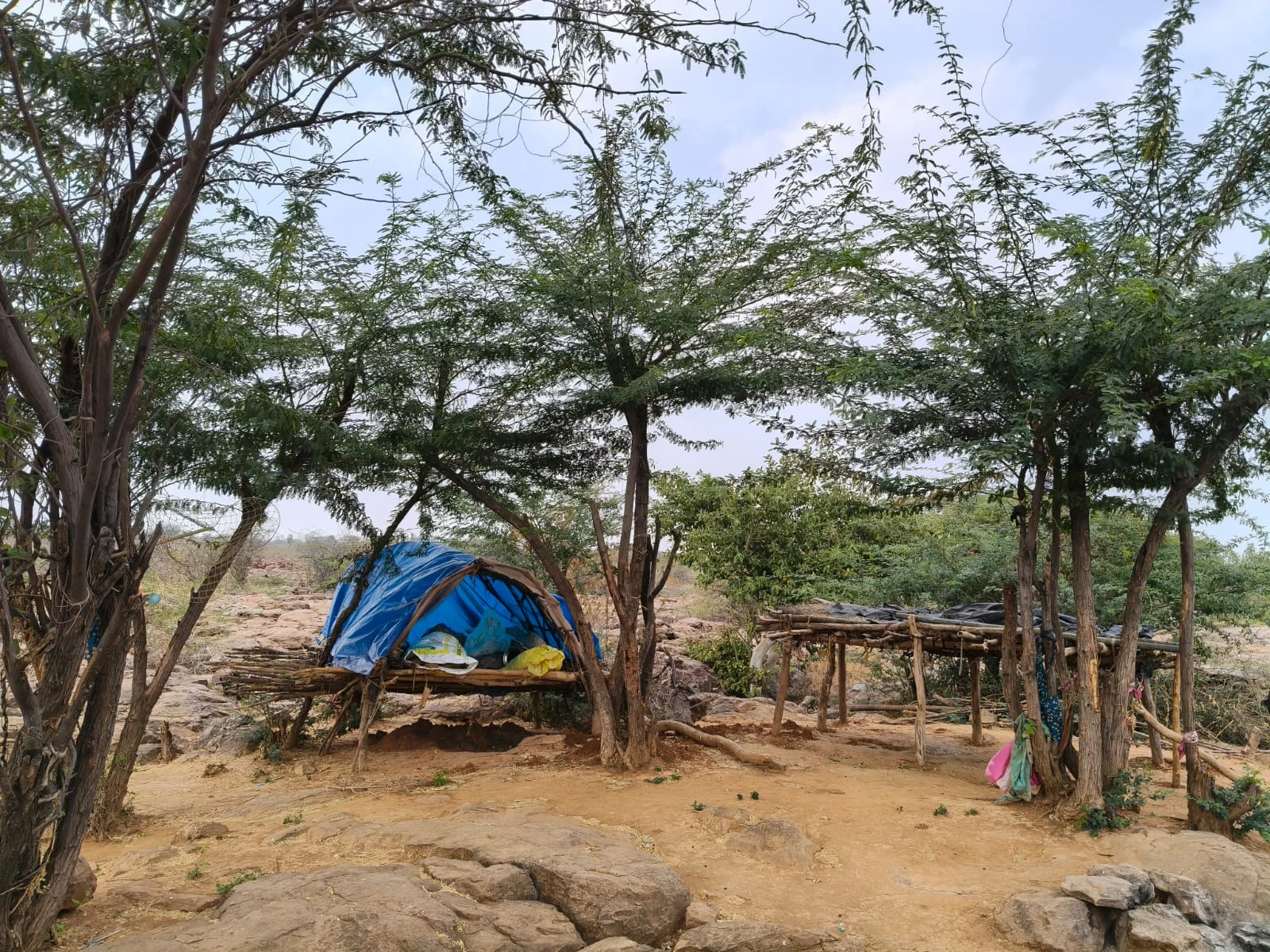
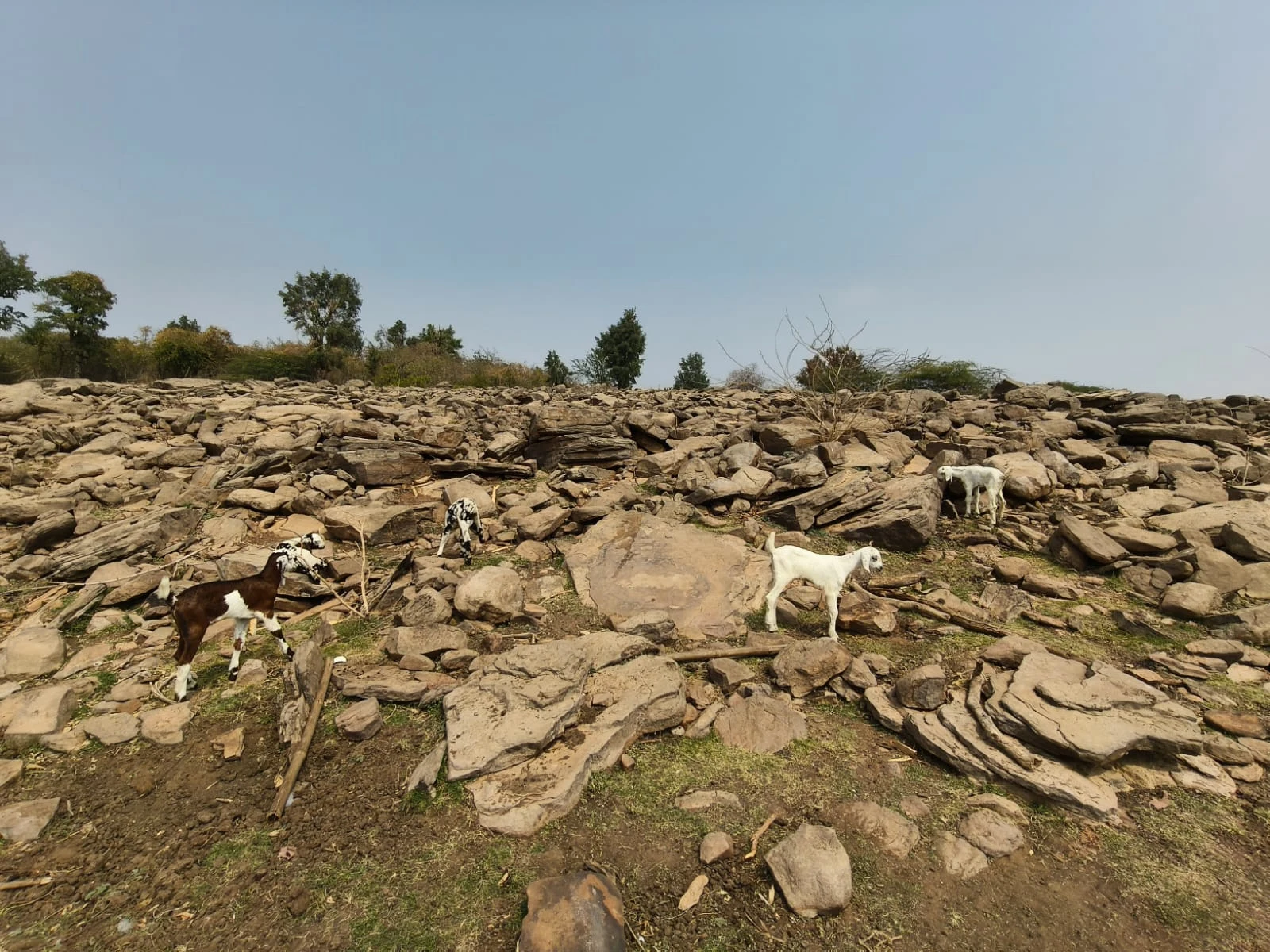
In Geesagondi, permanent houses stood on higher ground overlooking the river valley, built safely above monsoon flood levels. But for most of the year, the village remained nearly empty. The families lived closer to the river. Along the banks stood temporary huts made from bamboo and thatch. Nearby, goats rested beneath the trees while children played across the rocky ground. Fishing nets hung beside cooking fires, and bamboo baskets lay outside the huts. Water was always nearby. Fishing could be done daily. The forest provided herbs, fruits, roots and honey. Only during the monsoon, when the Krishna swelled dangerously, did families move uphill into their permanent homes. A Chenchu elder smiled when I asked why they preferred living near the river.
“The river gives us everything,” he said softly.
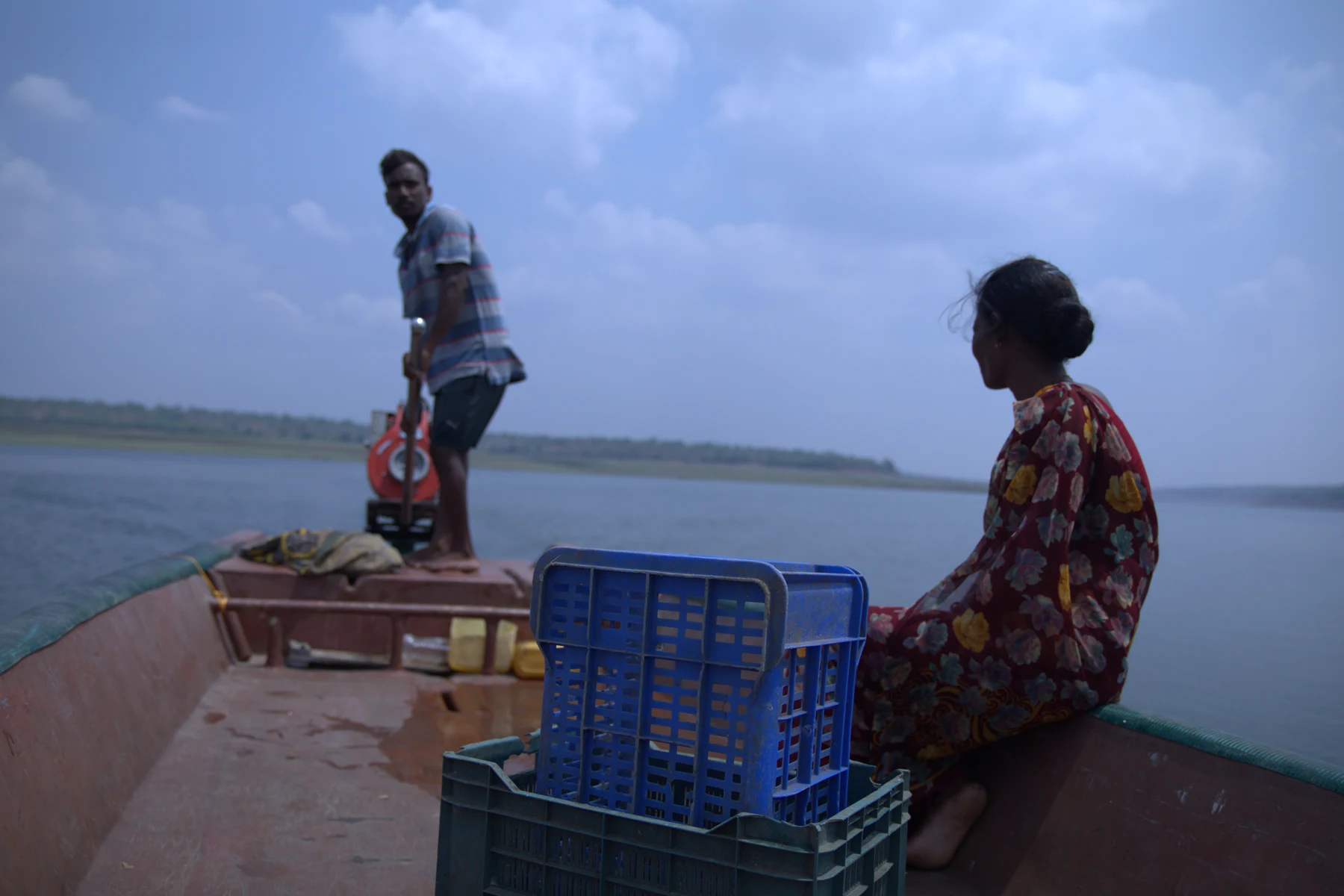
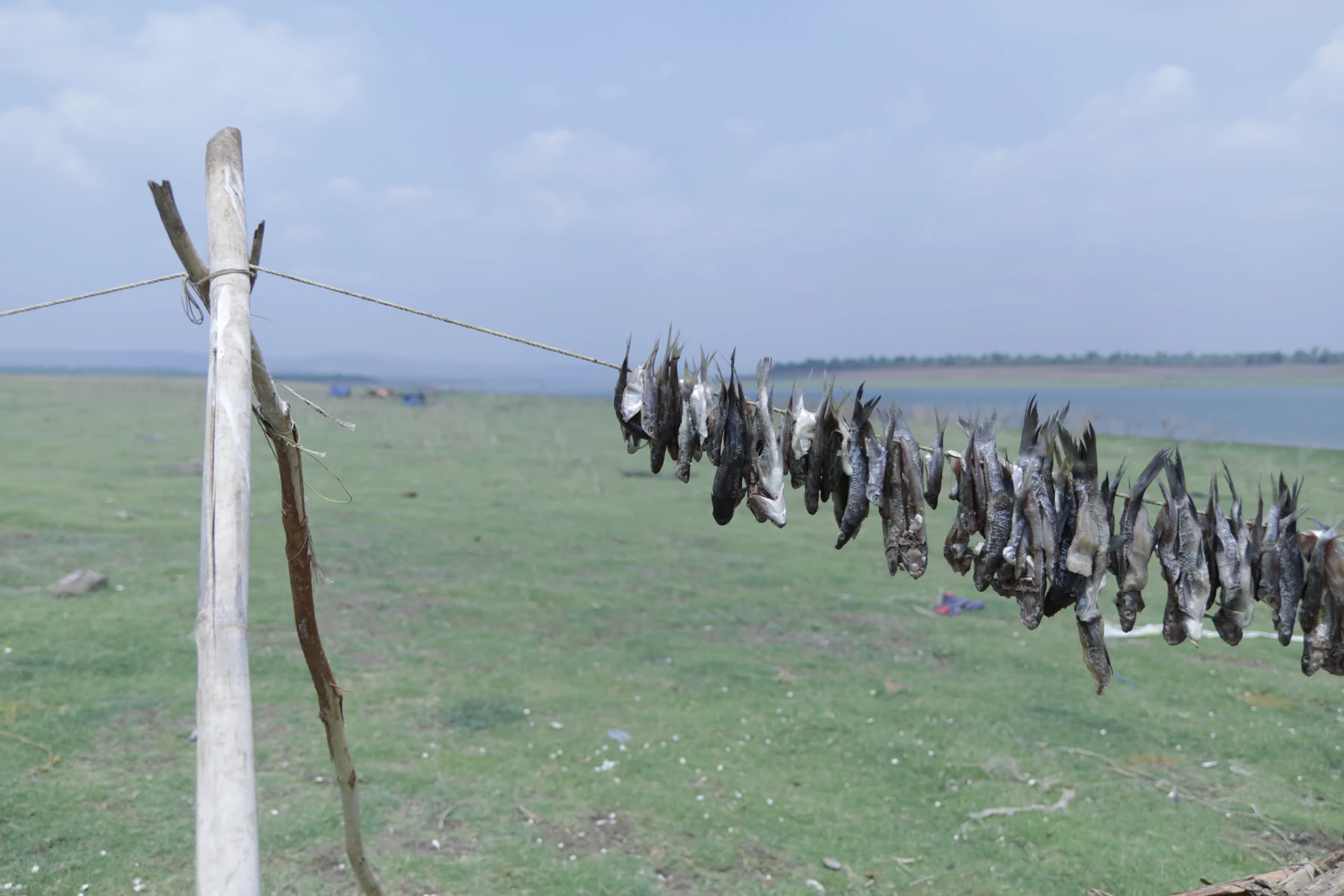
For generations, hunting and gathering formed the foundation of Chenchu life. But slowly, another livelihood has begun shaping life along the Krishna. Many Chenchu families now depend increasingly on fishing for survival and income. Before sunrise, men walk toward the river carrying nets and bamboo baskets. Some stand waist-deep in water for hours while others travel by small boats across quieter stretches of the Krishna.
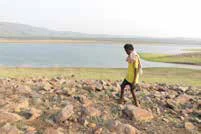
In Maddimadugu, Gangayya has become one of the few Chenchus building a small fishing livelihood with the support of several tribal families. Over the years, he learned fishing techniques from local fishermen and gradually organized work along the river.
Today, Gangayya and his group move across different stretches of the Krishna depending on water levels and fish movement. Fishing has become more than seasonal labour. It is slowly becoming a stable livelihood shaped by the rhythm of the river itself.
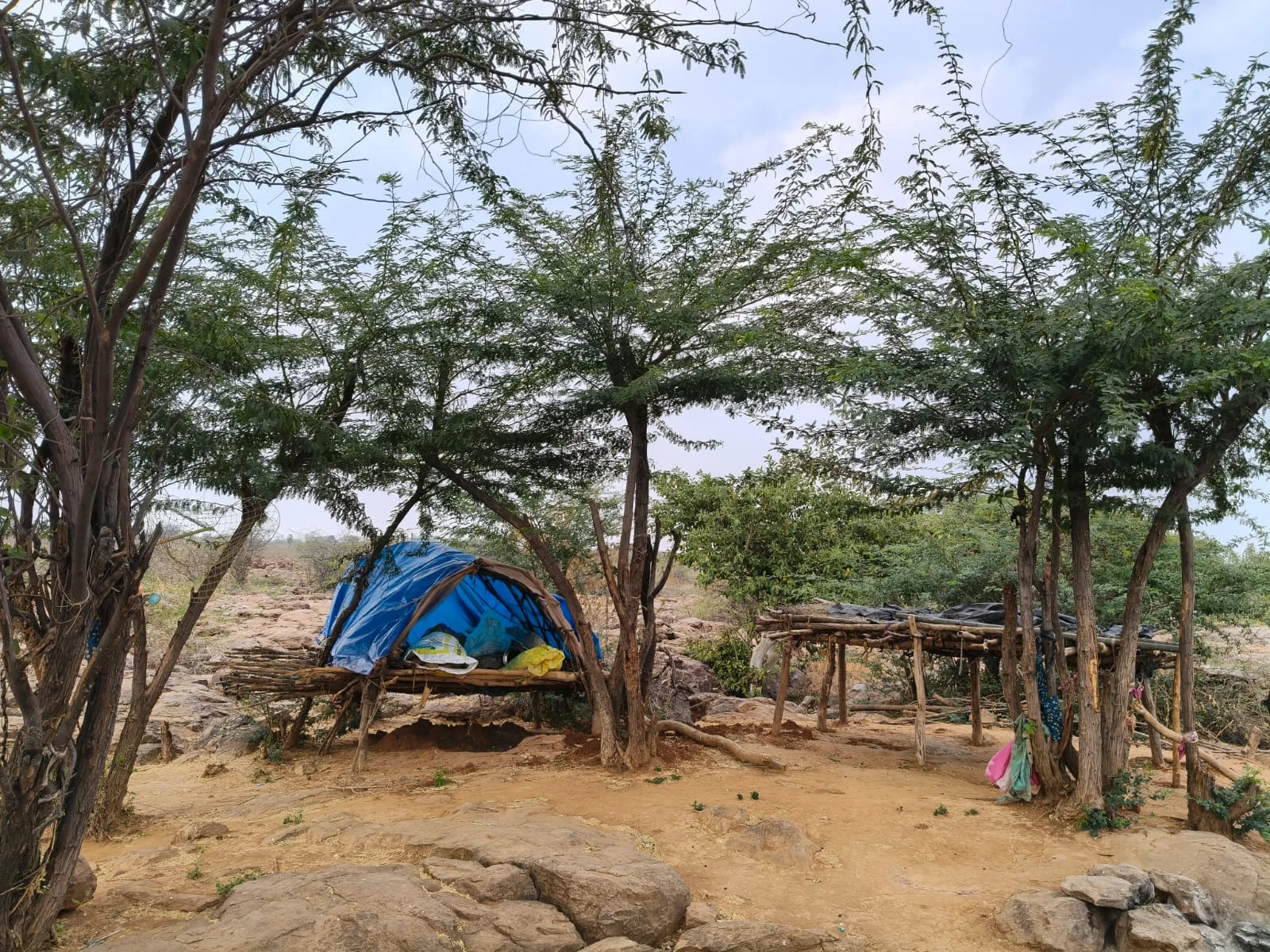
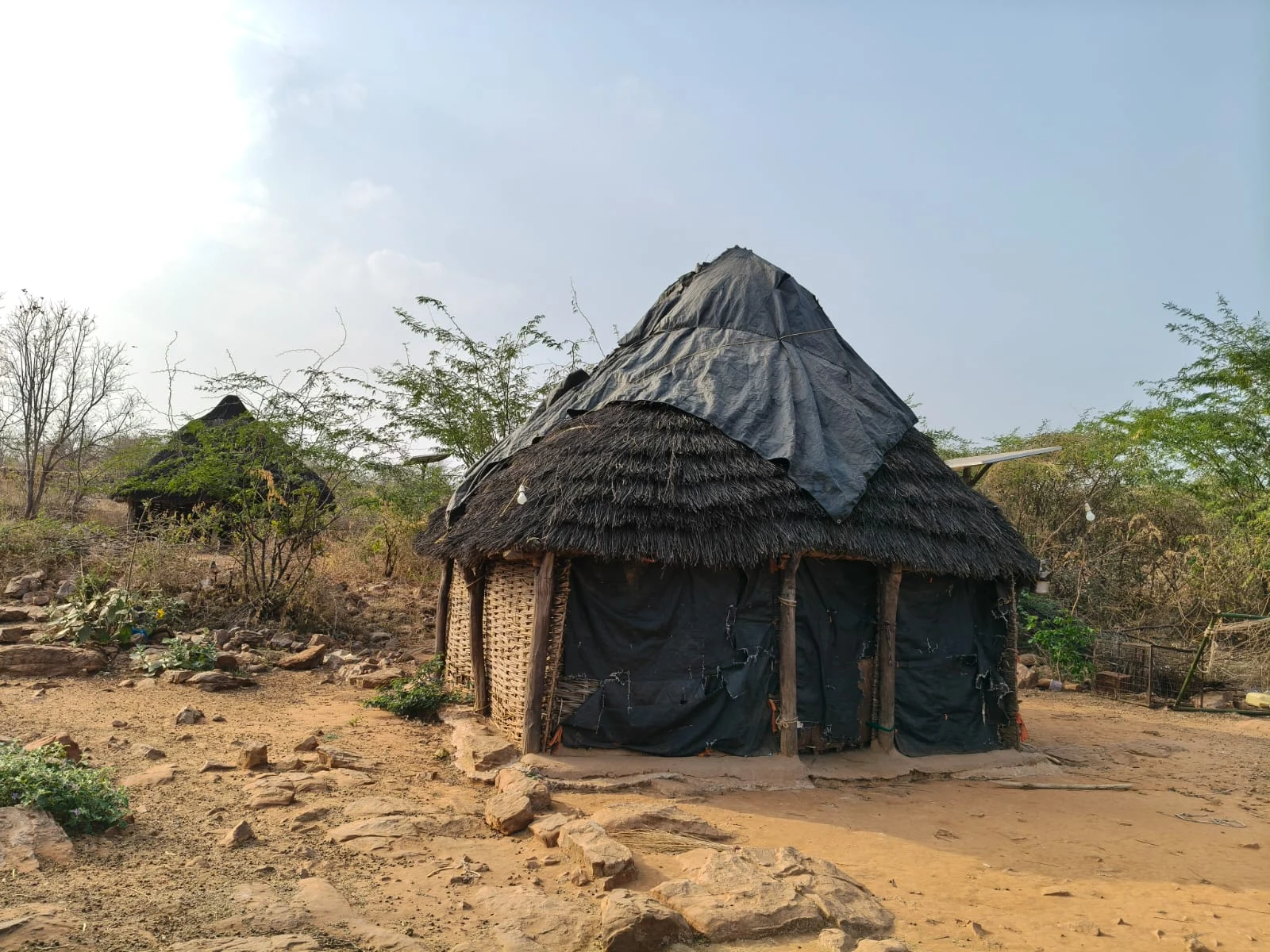
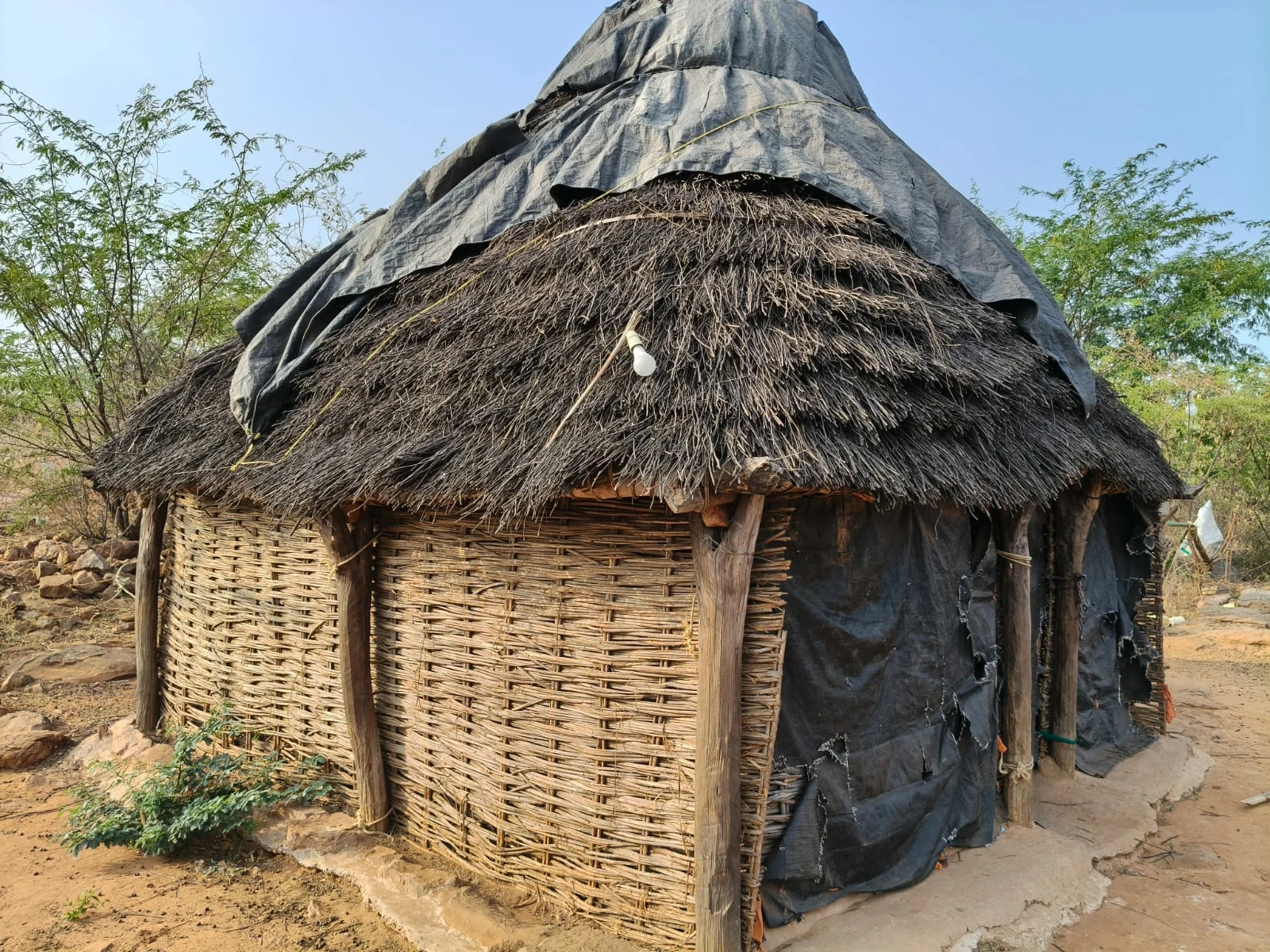
Another village along the banks of the Krishna River is Aalatam. The village is small, with only about thirty people living there. Flowing through the middle of the settlement, the Krishna River divides Aalatam into two sides. A few huts stand on the Andhra Pradesh side, while the remaining huts are located across the river in Telangana.
Smoke from cooking fires drifted through the trees while goats wandered between temporary huts near the river. Children ran barefoot across the rocky ground. There, I met Jyothi. She had married into the village eight years earlier. Though she had studied up to class eight, she chose to remain in the forest after marriage.
“The forest is everything for us,” she said.
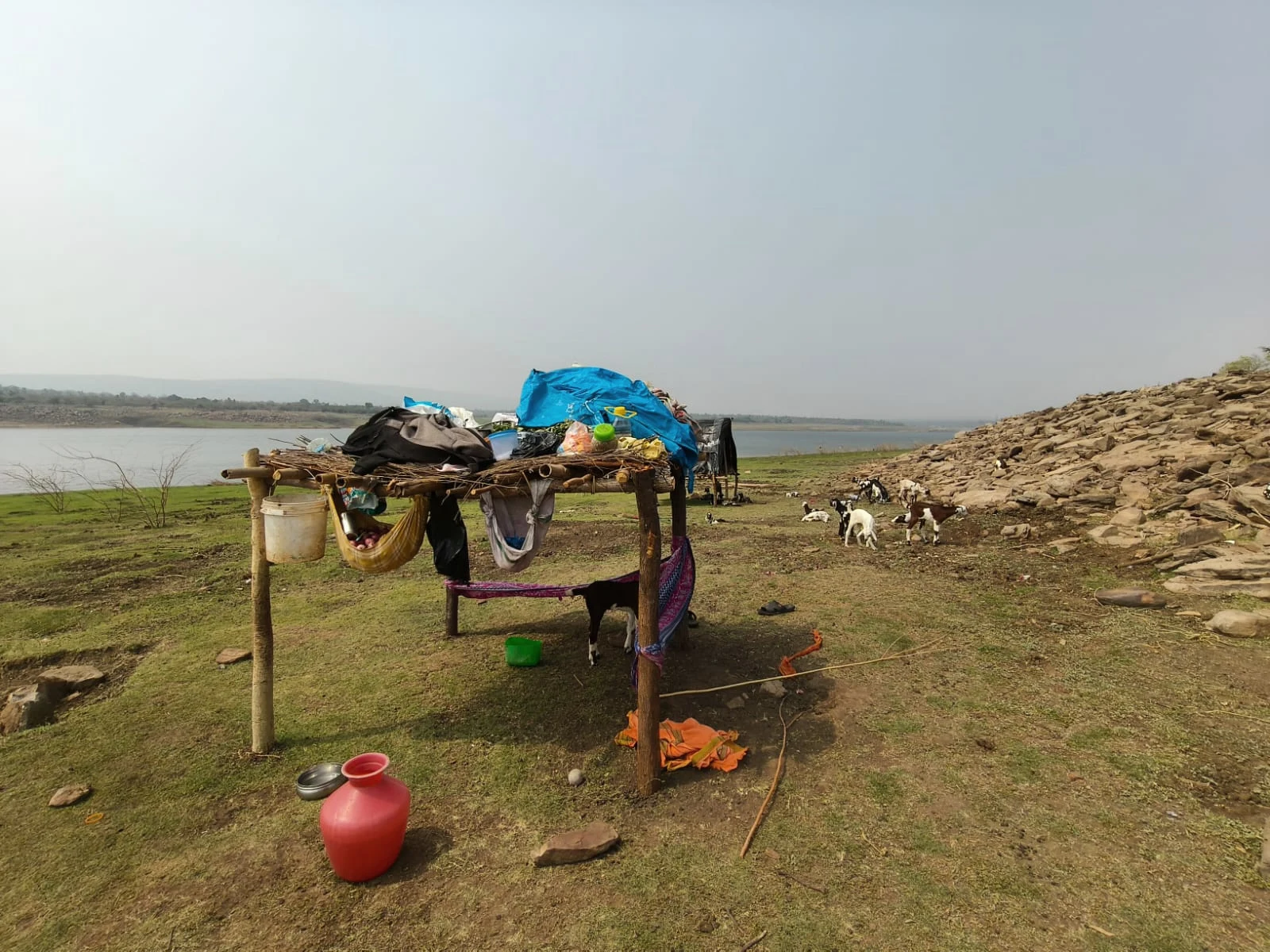
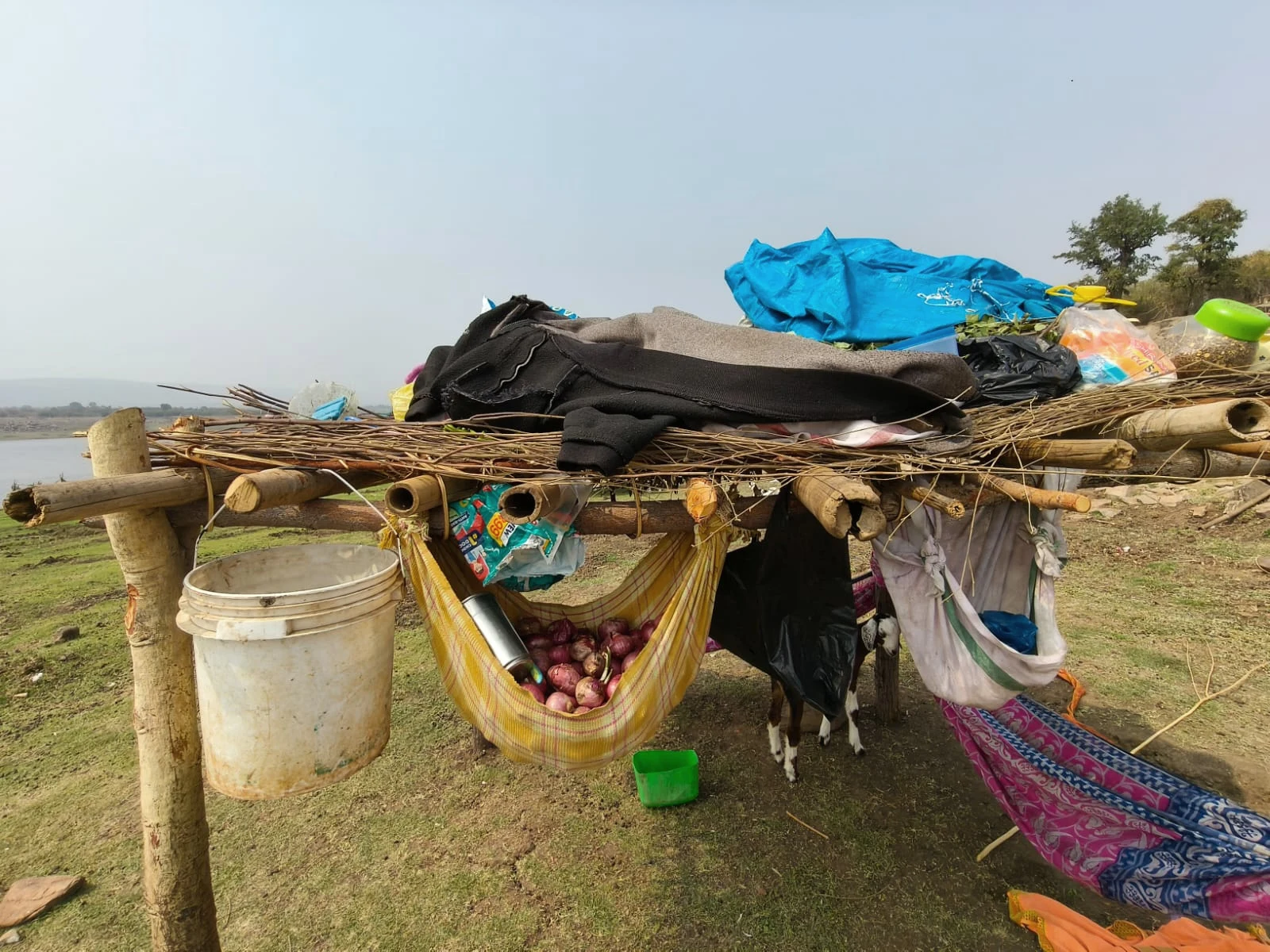
As evening settled over the river, deer appeared quietly near the water. Somewhere in the distance, a wild boar moved through the bushes. Jyothi said such scenes were part of everyday life.
“Every day we see animals coming to drink water,” she explained.
Most illnesses are treated using herbs collected from the forest. Fever and minor sickness are managed through traditional medicine prepared by elders. Doctors are visited only when absolutely necessary.
Jyothi’s three children were all born inside the forest. Yet like many Chenchu parents, she sends her children outside the forest to stay with relatives so they can attend school. Families visit them once a month before returning again to the forests of Nallamala.
Even everyday survival in Nallamala requires long journeys. Families walk through dense forest paths to Maddimadugu to buy rice, salt, oil and other basic necessities. Life remains difficult, shaped by isolation, seasonal uncertainty and dependence on the land. Yet despite these hardships, many young people in villages like Aalatam say they do not wish to leave the forest permanently. The city may offer roads, electricity and employment opportunities, but for the Chenchus, life away from the forest feels incomplete.
As darkness falls over Nallamala, the sound of the Krishna River echoes through the valleys. Temporary huts glow softly from cooking fires while the forest slowly disappears into the night. In that silence, it becomes clear why the Chenchus continue to remain here. The forest remembers them. The river sustains them.
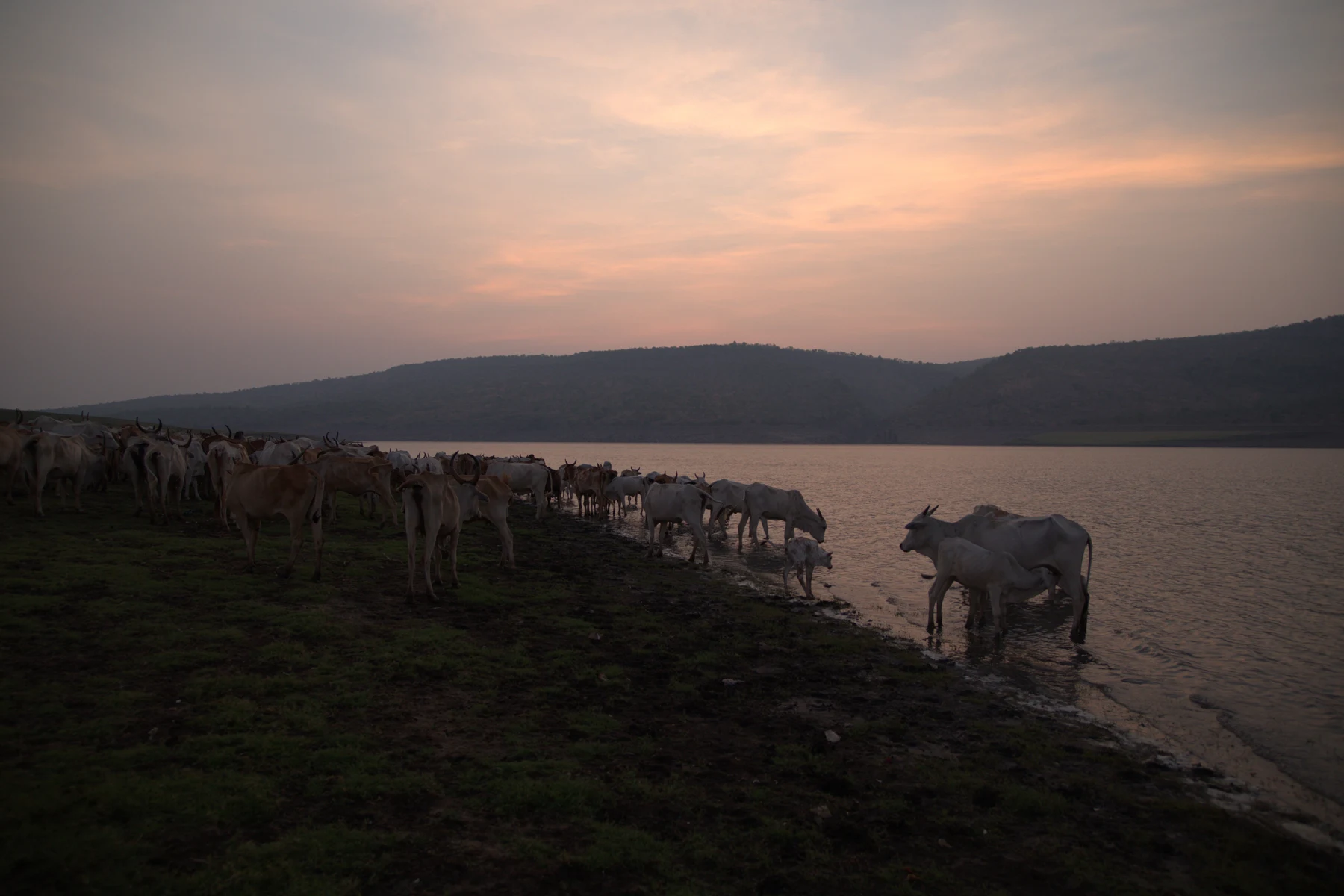
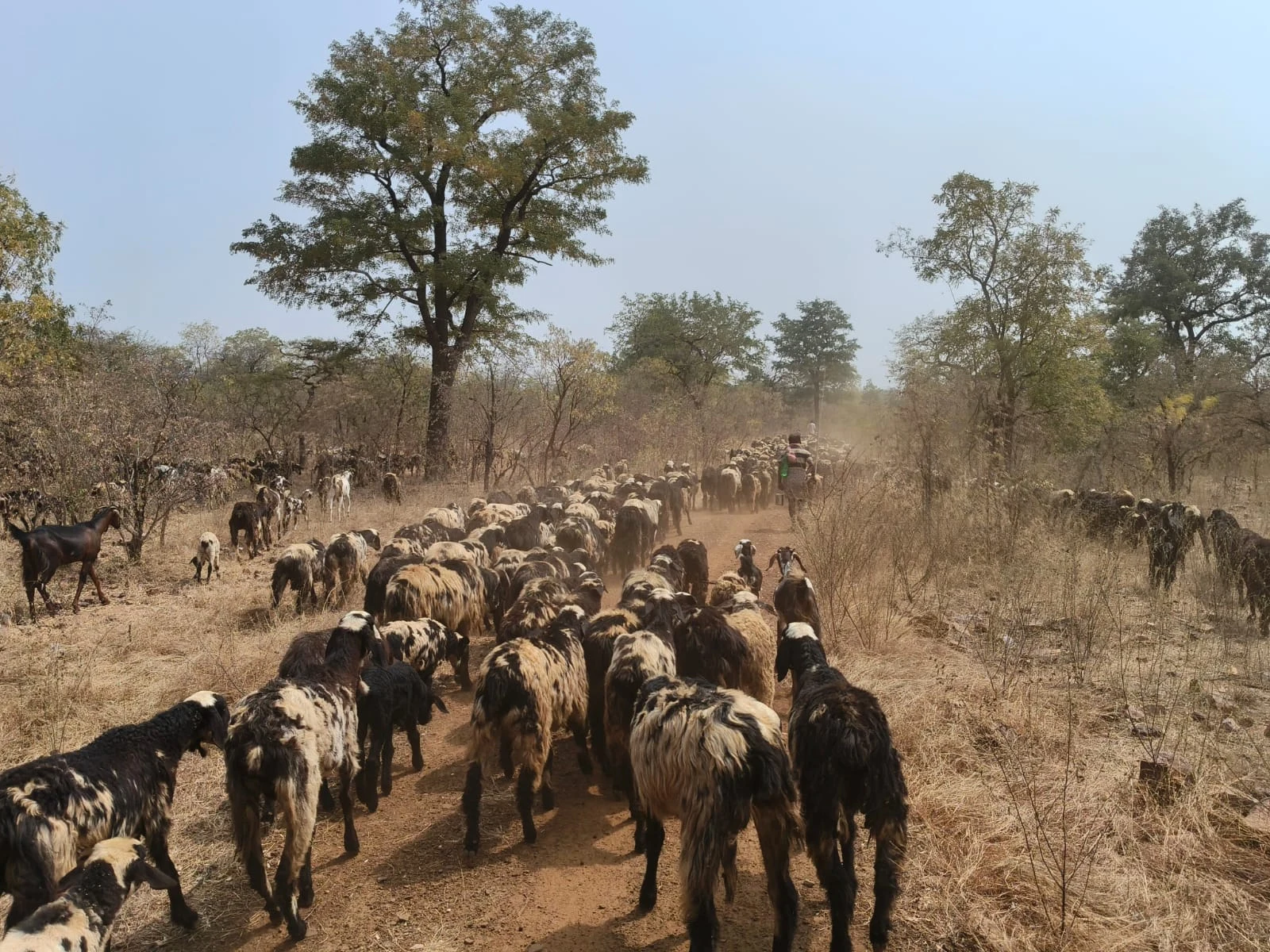
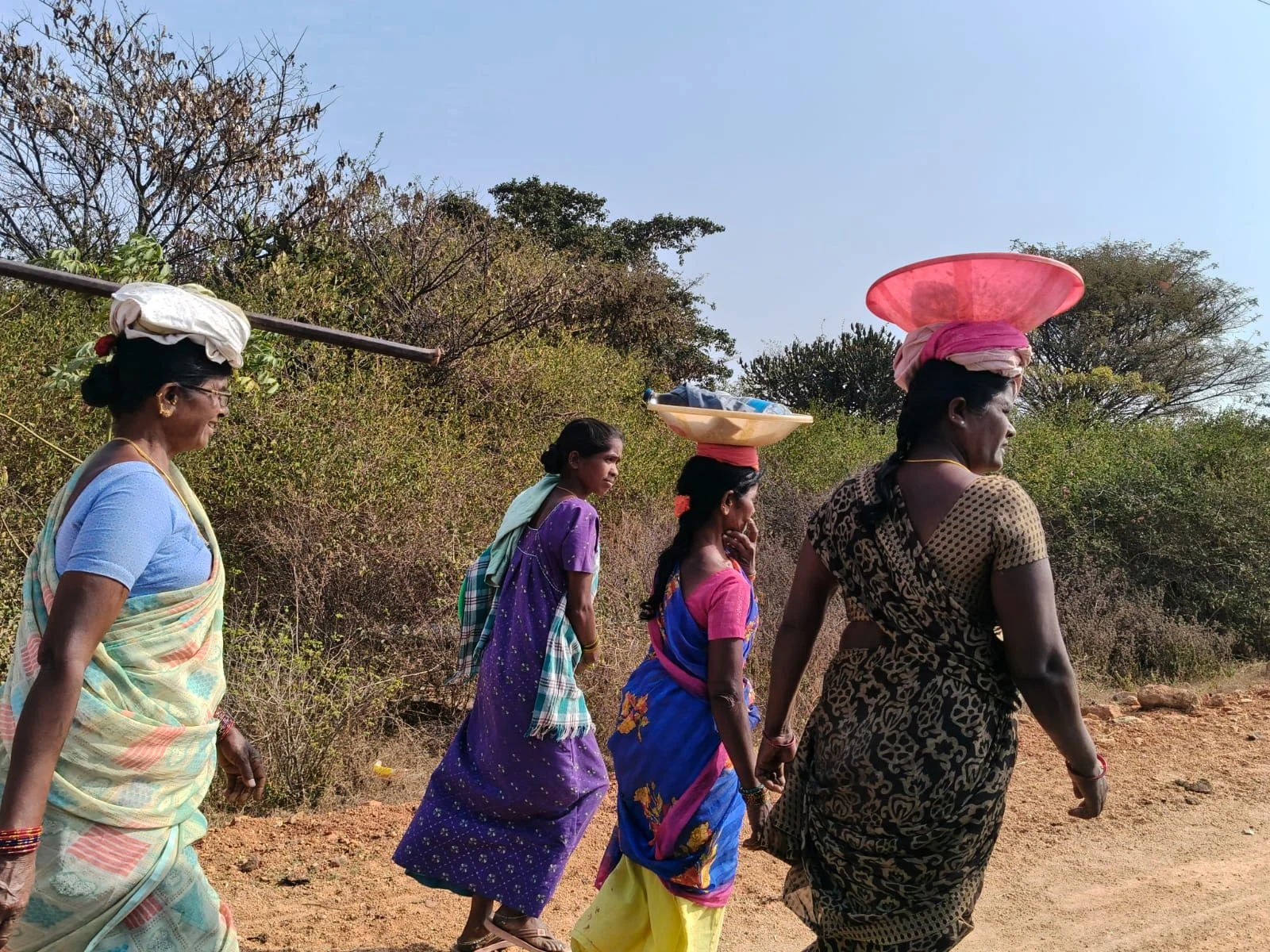
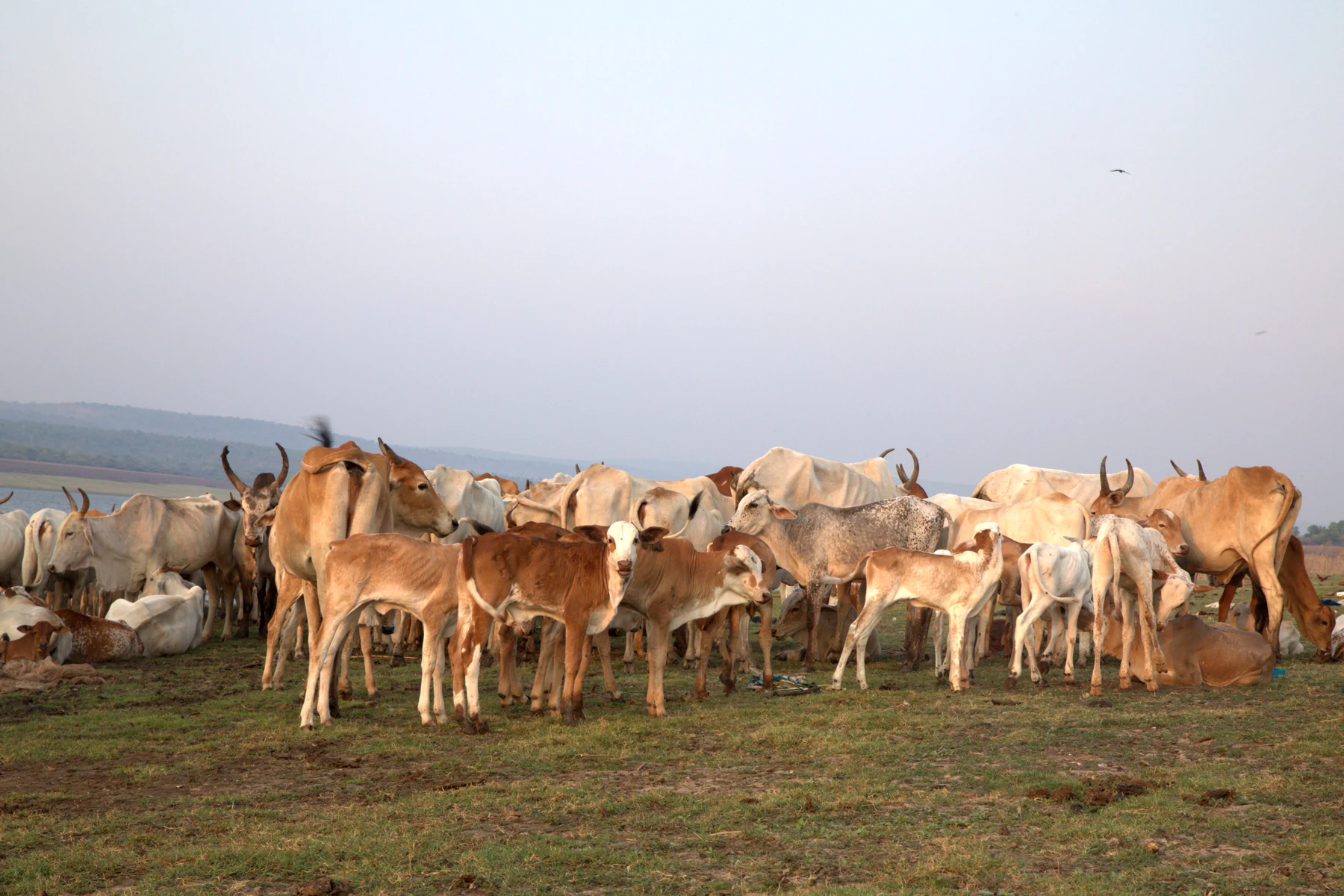
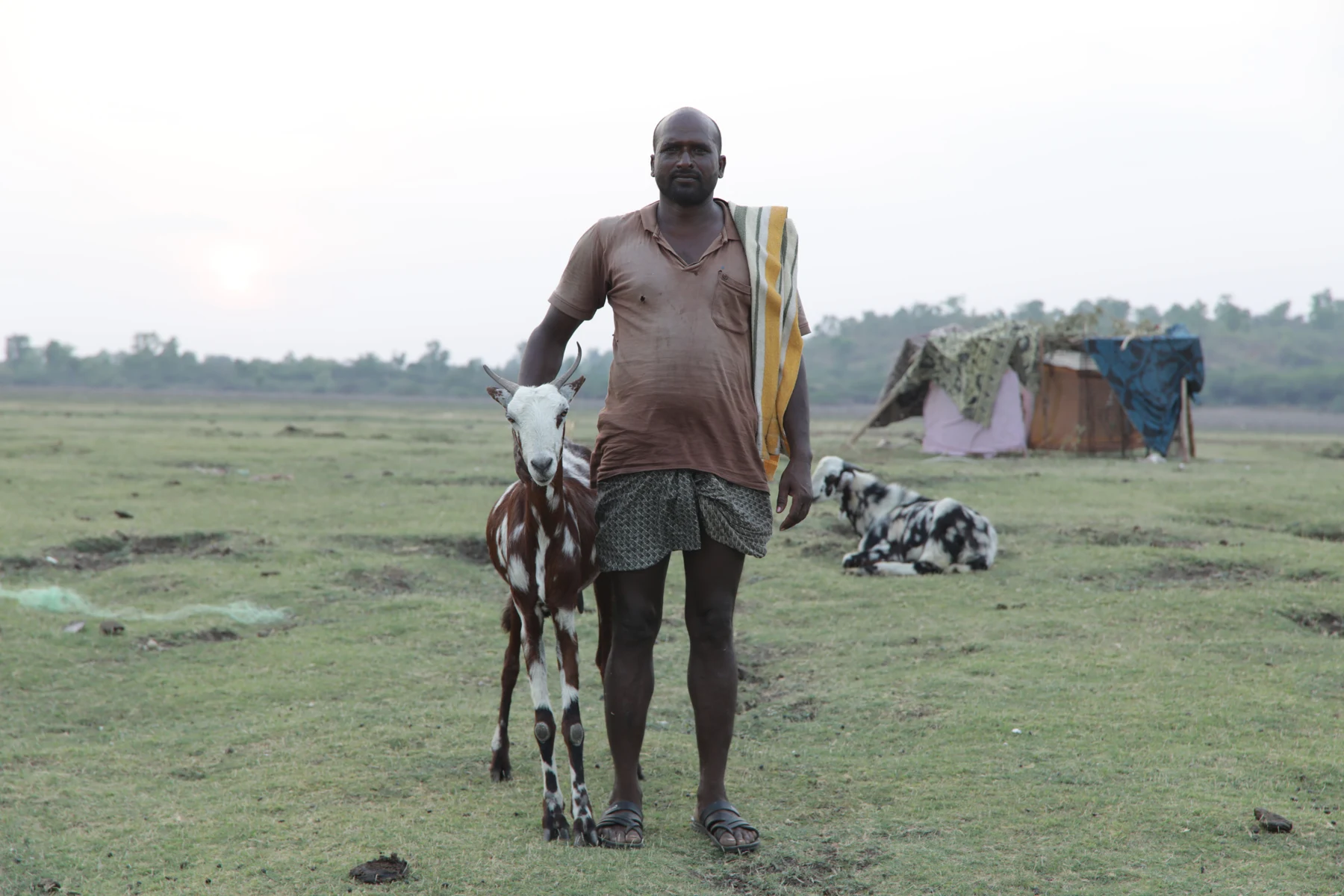
The Krishna River is not important only to the Chenchus. Along its banks, the Golla community also depends deeply on the river and its grasslands. During the harsh summer months, when grazing lands dry up in their villages, many Golla families migrate toward the river with their livestock and remain there for months. Hundreds of goats, sheep and cattle survive on the rich grasslands that grow beside Krishna. The river thus becomes a shared landscape of survival, connecting different communities living within the Nallamala region. The Chenchus maintain warm and friendly relationships with the Gollas and other communities who arrive seasonally near the river. Food, resources, and everyday life are often shared, creating a quiet sense of coexistence within the forest. Though their livelihoods may differ, their lives remain connected through the rhythms of the river and the land.
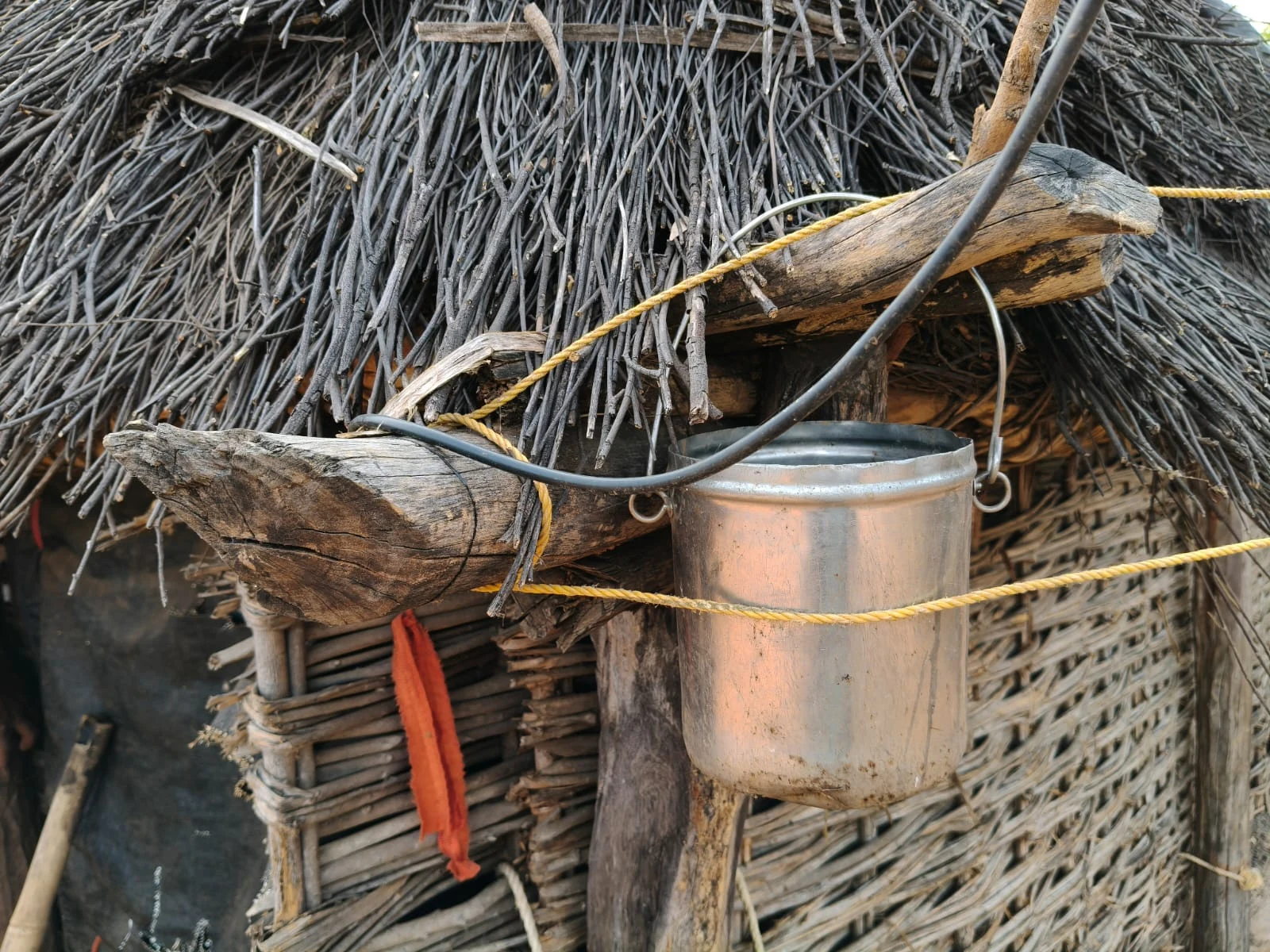
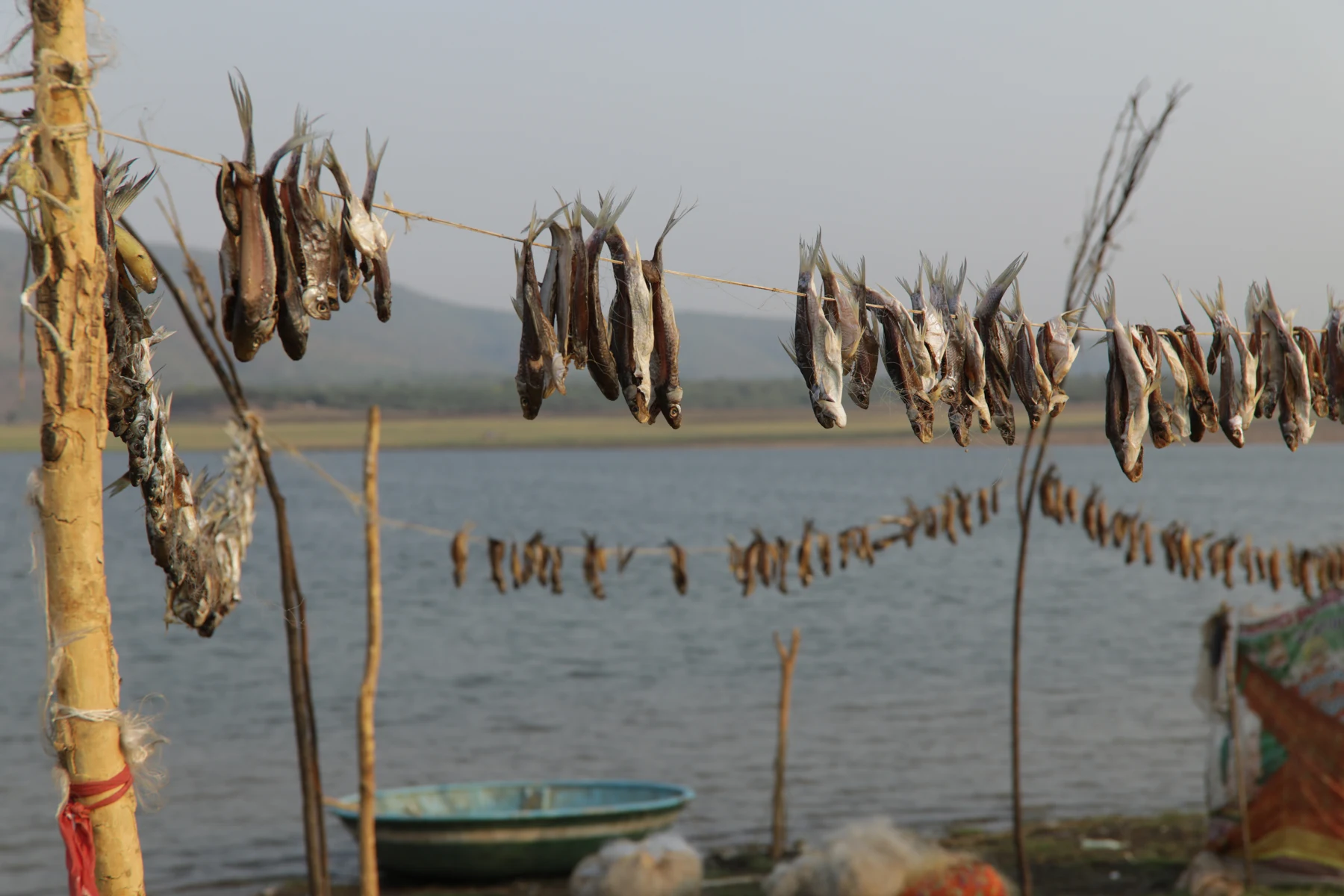
In recent years, some Chenchu families have also begun raising goats and cattle alongside fishing and forest gathering. Their livelihoods are slowly adapting to changing times while remaining deeply rooted in the forest environment.
Education, too, is shaping a new generation. Today, many Chenchu families understand the importance of schooling and are sending their children outside the forest for education. Though their bond with the land remains strong, they hope education will open new opportunities for their children while allowing them to preserve their culture, traditions, and identity.
Hidden among the rocky valleys of Nallamala, the lives of the Chenchus continue to flow with the ancient rhythm of the forest and the river that have sustained them for generations.
The People Who Read the Earth
Medium: Documentary / Length: 10 mins
The Chenchus also possess deep knowledge of medicinal plants and forest healing practices passed down through generations. Herbs, roots, bark, and leaves are used to treat fever, wounds, digestion problems, liver illness, and snakebites. Plants such as Tippa Teega (Tinospora cordifolia), Nela Usiri (Phyllanthus amarus), Karakkaya (Terminalia chebula) and Devadari Kura remain important in traditional medicine. Many elders believe medicinal knowledge should remain secret because revealing the names of healing plants may reduce their power.
Name of the plant
Lorem ipsum dolor sit amet, consectetur adipiscing elit. Etiam erat quam, feugiat sed magna rutrum, varius tincidunt elit. Donec vitae interdum risus. Mauris congue tempus leo id auctor.justo. Curabitur tristique velit eget diam pretium molestie. Donec scelerisque tempus dui, at faucibus turpis mollis at.