
Kere Bhavi Culture Hands that Held Water
SRIVALLI KOLLA
The towering Himalayas trap the winds sweeping in from the Arabian Sea and the Bay of Bengal, turning them into the monsoon. For Bengaluru, a landlocked city perched on the Deccan Plateau, this seasonal rain was everything. To hold onto it, people began building keres and bavis, lakes and open wells, nearly 1200 years ago. The city earned the name "city of a thousand lakes" and depended on this kere-bavi system for all its water needs until well into the mid-19th century.
In a landscape without a perennial river, Bengaluru learned to live with rain, patiently storing, sharing, and circulating water through an intricate network of lakes and wells. Water from one kere flowed into the next, forming a quiet chain that shaped where people settled, what they cultivated, and how they survived. Beneath the surface, these lakes recharged the ground, feeding aquifers that rose as open wells in neighbourhoods and homes. The bavi became the intimate face of the lake, close, familiar, and woven into the rhythms of daily life. Yet each lake was also a world in itself. Its edges held birds, grazing cattle, and farming families. Its waters supported fishermen, dhobis, and shepherds. Holding this world together were the people who understood it most deeply: neerugantis who managed water flow and irrigation, grass cutters and cattle grazers who kept the lake edges alive, and the skilled artisans and earthworkers who shaped bunds, dug wells, and read the language of soil and water. Faith and geography were bound together here. The lake was not only infrastructure. It was a social and sacred centre. Five stories on the social life of lakes and wells come together as one. They reveal not isolated structures, but a living, integrated system, ecological, social, and cultural, that sustained Bengaluru for generations.
As these villages navigate ecological change, they tell a compelling story of human adaptation, one that is a testament to how local communities continue to sustain their traditional connections to land, water, and forest resources in this changing world.
Kere Bhavi Culture Hands that Held Water
SRIVALLI KOLLA
The towering Himalayas trap the winds sweeping in from the Arabian Sea and the Bay of Bengal, turning them into the monsoon. For Bengaluru, a landlocked city perched on the Deccan Plateau, this seasonal rain was everything. To hold onto it, people began building keres and bavis, lakes and open wells, nearly 1200 years ago. The city earned the name "city of a thousand lakes" and depended on this kere-bavi system for all its water needs until well into the mid-19th century.
In a landscape without a perennial river, Bengaluru learned to live with rain, patiently storing, sharing, and circulating water through an intricate network of lakes and wells. Water from one kere flowed into the next, forming a quiet chain that shaped where people settled, what they cultivated, and how they survived. Beneath the surface, these lakes recharged the ground, feeding aquifers that rose as open wells in neighbourhoods and homes. The bavi became the intimate face of the lake, close, familiar, and woven into the rhythms of daily life. Yet each lake was also a world in itself. Its edges held birds, grazing cattle, and farming families. Its waters supported fishermen, dhobis, and shepherds. Holding this world together were the people who understood it most deeply: neerugantis who managed water flow and irrigation, grass cutters and cattle grazers who kept the lake edges alive, and the skilled artisans and earthworkers who shaped bunds, dug wells, and read the language of soil and water. Faith and geography were bound together here. The lake was not only infrastructure. It was a social and sacred centre. Five stories on the social life of lakes and wells come together as one. They reveal not isolated structures, but a living, integrated system, ecological, social, and cultural, that sustained Bengaluru for generations.
As these villages navigate ecological change, they tell a compelling story of human adaptation, one that is a testament to how local communities continue to sustain their traditional connections to land, water, and forest resources in this changing world.


AGARA 1515 CE SHIVAPPA NAYAKA INSCRIPTION:
"May it be prosperous. Be it well (on the date specified), at the time of and eclipse of the moon, - when Krishna-Raya-Maharaya was ruling the kingdom of the world :- Sivannappa-Nayaka, in order that dharma might be to his Father, granted a field to provide for keeping up a cart for the Agara Tank.

AGARA 9TH CENTURY SRIYAMAYYA INSCRIPTION:
"Be it well. In the victorious year of the Srirajya, under Satyavakya-Permmadi's Lali-Yuga Hanuman, Nagattara, the Iruvvuliyur Odeya, Irugamayya's son Sriyamayya,fixed sluices to the two tanks, had the eastern tank built, and obtained the Bittuvatta of the three tanks. Imprecation."

JAKKUR 1000 CE KALNADU INSCRIPTION:
Translation of the inscription states that Kalnadu was given to Sanjapayya of Sunnadu (small country) Jakkur. It also records a curse upon anyone who destroys the Grant, stating that such a person would incur the sin equivalent to killing Kavile (interpreted as a Sacred cow) in Varanasi. Source: mythic society
Stones that Speak
Water at Governance and Maintenance
The story of Bengaluru's lakes is not found only in historical records or old maps—it is embedded in the very names of its neighbourhoods. Long before these villages became part of the expanding city, they were settlements that grew around water. The names they carried reflected the lakes, ponds, bunds, and channels that sustained everyday life. Even today, these names remain scattered across Bengaluru like clues to a forgotten water landscape.
The suffix kere, referring to a lake or irrigation tank, appears in places such as Mathikere, Tavarekere (Lotus Lake), Abbigere, and Kalkere. Names such as Konanakunte, Yellukunte, and Bagalakunte point to kuntes—smaller ponds or depressions that collected and stored water. Adugodi, Hebbagodi, Kadugodi, and Jodi Huskur Kodi derive their names from kodi, the overflow weirs that safely carried excess water from one lake to another. Together, these place names remind us that Bengaluru was once a carefully managed wetland landscape, where settlements were planned around water rather than in spite of it.
Historical evidence suggests that this Kere- Bhavi system evolved over many centuries. Successive dynasties over the centuries, rulers ranging from the Hoysalas and Vijayanagara kings to the Marathas, Hyder Ali, Tipu Sultan, the Wodeyars, and later the British expanded this legacy by constructing tanks and irrigation wells that supported the growing town continued to invest in and maintain these lakes and wells. Their collective efforts shaped a city whose history, geography, and identity were inseparable from its water.
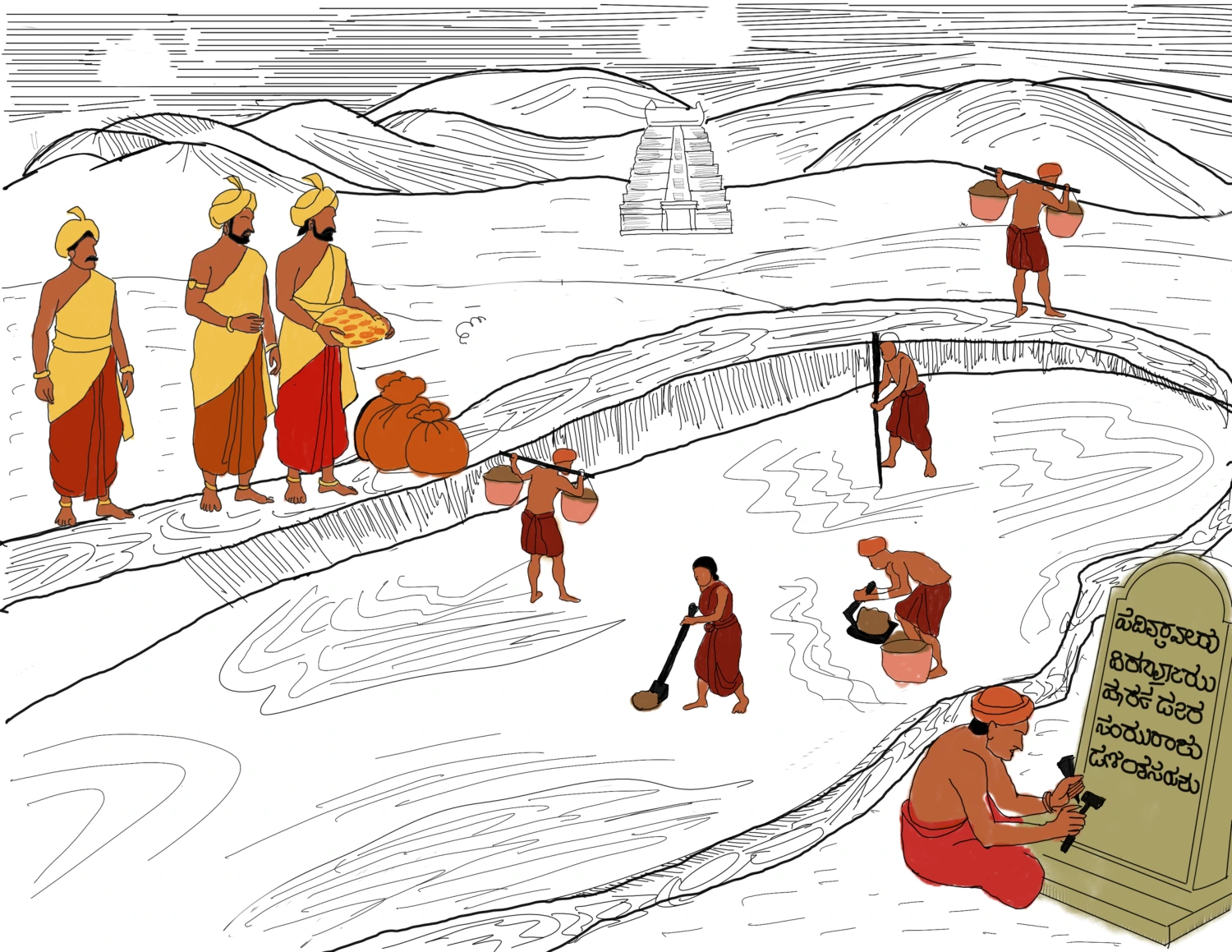
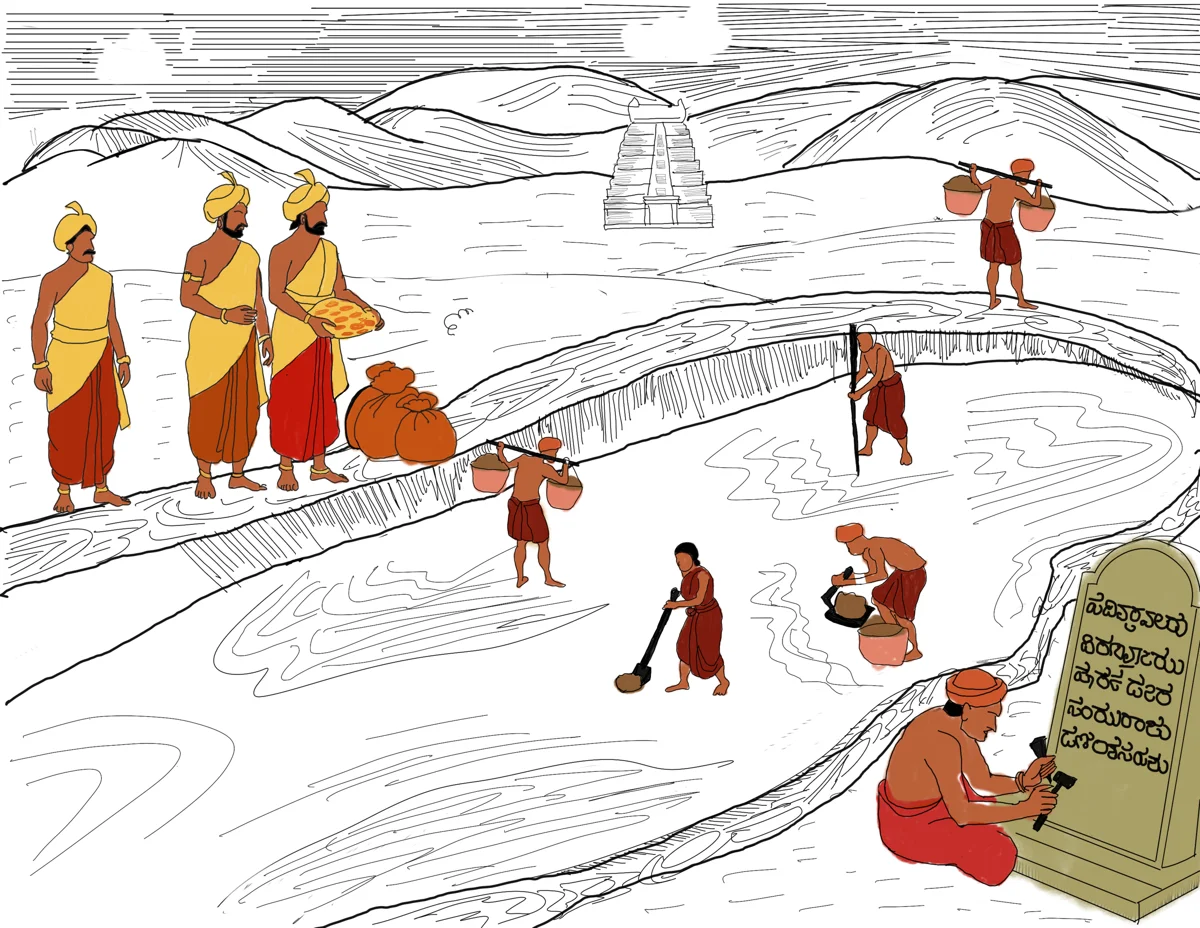
At Sulikere, once known as Ramasamudra, a six-foot inscription stands as a testament to how lakes in the Benguluru were conceived not merely as water bodies, but as governed public institutions. Commissioned by Chenneya Nayaka under the Hoysala kingdom, the lake was constructed through significant financial investment and civic intent. The inscription records that the waters were created for the welfare of “animals, cattle, birds, and all living beings,” revealing a worldview where water infrastructure was designed to sustain both human and ecological life. Across Bangalore, other inscription stones echo similar governance frameworks. One inscription documents the gifting of an entire village as deva-dana, including its tank, wells, trees, and agricultural lands, to support temple worship and sacred services. Such grants ensured that revenues generated from land were reinvested into the upkeep of water systems, embedding lakes within religious, economic, and administrative networks.
Another inscription speaks of sluices being installed and tanks expanded, reflecting continuous hydraulic management and technological adaptation. Lakes were not static excavations but dynamic infrastructures, regularly repaired, desilted, and modified to meet changing needs. Protection of these systems was enforced through both policy and belief. Land grants, irrigation rights, and tax exemptions incentivized maintenance, while inscribed curses warned of spiritual consequences for those who damaged bunds or encroached upon lake boundaries, equating such acts with grave sins.
Stones that Speak
Water at Governance and Maintenance
AGARA 1515 CE SHIVAPPA NAYAKA INSCRIPTION:
"May it be prosperous. Be it well (on the date specified), at the time of and eclipse of the moon, - when Krishna-Raya-Maharaya was ruling the kingdom of the world :- Sivannappa-Nayaka, in order that dharma might be to his Father, granted a field to provide for keeping up a cart for the Agara Tank.
The story of Bengaluru's lakes is not found only in historical records or old maps—it is embedded in the very names of its neighbourhoods. Long before these villages became part of the expanding city, they were settlements that grew around water. The names they carried reflected the lakes, ponds, bunds, and channels that sustained everyday life. Even today, these names remain scattered across Bengaluru like clues to a forgotten water landscape.
The suffix kere, referring to a lake or irrigation tank, appears in places such as Mathikere, Tavarekere (Lotus Lake), Abbigere, and Kalkere. Names such as Konanakunte, Yellukunte, and Bagalakunte point to kuntes—smaller ponds or depressions that collected and stored water. Adugodi, Hebbagodi, Kadugodi, and Jodi Huskur Kodi derive their names from kodi, the overflow weirs that safely carried excess water from one lake to another. Together, these place names remind us that Bengaluru was once a carefully managed wetland landscape, where settlements were planned around water rather than in spite of it.
Historical evidence suggests that this Kere- Bhavi system evolved over many centuries. Successive dynasties over the centuries, rulers ranging from the Hoysalas and Vijayanagara kings to the Marathas, Hyder Ali, Tipu Sultan, the Wodeyars, and later the British expanded this legacy by constructing tanks and irrigation wells that supported the growing town continued to invest in and maintain these lakes and wells. Their collective efforts shaped a city whose history, geography, and identity were inseparable from its water.
At Sulikere, once known as Ramasamudra, a six-foot inscription stands as a testament to how lakes in the Benguluru were conceived not merely as water bodies, but as governed public institutions. Commissioned by Chenneya Nayaka under the Hoysala kingdom, the lake was constructed through significant financial investment and civic intent. The inscription records that the waters were created for the welfare of “animals, cattle, birds, and all living beings,” revealing a worldview where water infrastructure was designed to sustain both human and ecological life. Across Bangalore, other inscription stones echo similar governance frameworks. One inscription documents the gifting of an entire village as deva-dana, including its tank, wells, trees, and agricultural lands, to support temple worship and sacred services. Such grants ensured that revenues generated from land were reinvested into the upkeep of water systems, embedding lakes within religious, economic, and administrative networks.
Another inscription speaks of sluices being installed and tanks expanded, reflecting continuous hydraulic management and technological adaptation. Lakes were not static excavations but dynamic infrastructures, regularly repaired, desilted, and modified to meet changing needs. Protection of these systems was enforced through both policy and belief. Land grants, irrigation rights, and tax exemptions incentivized maintenance, while inscribed curses warned of spiritual consequences for those who damaged bunds or encroached upon lake boundaries, equating such acts with grave sins.
AGARA 9TH CENTURY SRIYAMAYYA INSCRIPTION:
"Be it well. In the victorious year of the Srirajya, under Satyavakya-Permmadi's Lali-Yuga Hanuman, Nagattara, the Iruvvuliyur Odeya, Irugamayya's son Sriyamayya,fixed sluices to the two tanks, had the eastern tank built, and obtained the Bittuvatta of the three tanks. Imprecation."
JAKKUR 1000 CE KALNADU INSCRIPTION:
Translation of the inscription states that Kalnadu was given to Sanjapayya of Sunnadu (small country) Jakkur. It also records a curse upon anyone who destroys the Grant, stating that such a person would incur the sin equivalent to killing Kavile (interpreted as a Sacred cow) in Varanasi. Source: mythic society

Ecological Life
Water at the Living Landscapes
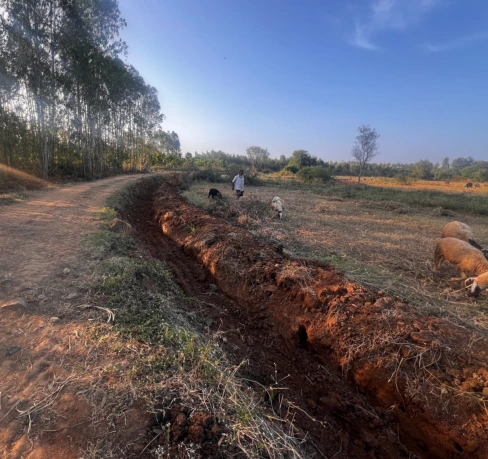
What we call Keres were largely man-made irrigation tanks. These tanks were linked through drainage networks, forming cascades of lakes that carried water from higher to lower elevations before ultimately reaching the Dakshina Pinakini, Vrishabhavathi, and Arkavathi rivers on the city's periphery.
The health of one lake influenced the health of the entire system. The natural flow of water is away from Bengaluru and into the surrounding valleys HN Valley, KC Valley, Vrishabhavati Valley, Arkavaty Valley making it a landlocked city without a perennial source of water.
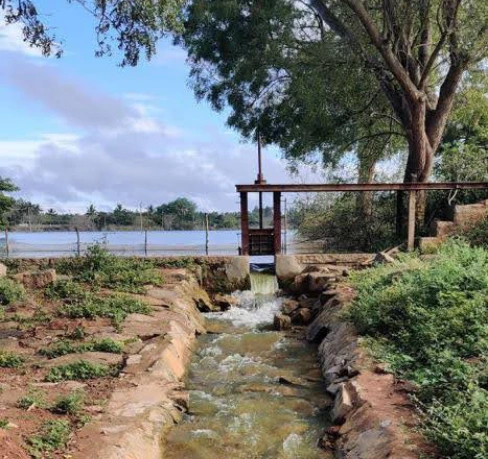
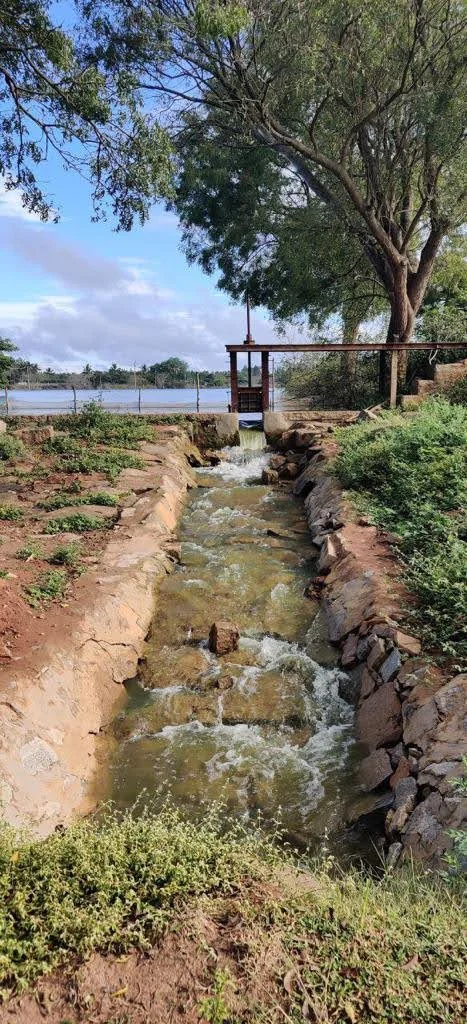
Recognizing this dependence on rainfall, generations invested in capturing, storing, and managing rainwater through interconnected lakes and groundwater systems. Lakes served multiple ecological functions. They stored seasonal rainfall, moderated floods, and recharged groundwater. Many were not perennial, filling and drying with the seasons, yet continuing to support life both above and below the ground. Communities clustered around these lakes, and agriculture was closely tied to their rhythms. Paddy was the dominant crop, converting seasonal water into grain that could be stored and forms as wetland. Much of the agricultural work was carried out by women, whileNeerugantis managed the distribution of tank water, ensuring that fields received their fair share.
Beyond farming, lakes supported a range of livelihoods. Farmers used the water for irrigation, shepherds grazed their animals on the grasslands, dhobis washed clothes, fishermen harvested fish, potters used the lake silt for pottery, and cultivators enriched their fields with nutrient-rich sediments. The lake was not simply a water body; it was the ecological and economic heart of the landscape.
The Catchment is a geographic area where rain falls and flows into the lake. The health of the lake depends on the condition of its catchment. The strength of the bund determined the lake's storage capacity and safety. Elders and neerugantis regulated the timing and quantity of water released to ensure equitable distribution.
Catchment: The geographical area from which rainwater flows into the lake.
Bund: An earthen embankment built to hold back water and create the reservoir.
Guardian of the Lake: Shrines of local deities such as Duggalamma and Gangamma were often located on the bund, symbolically guarding the lake, sluice gate, and embankment.
Thubu (Sluice Gate): A controlled opening in the bund used to release water for irrigation.
Ayacut (Command Area): The agricultural lands located downstream of the bund that received irrigation benefits from the lake.
Kodi (Overflow Weir): A safety structure that allowed excess water to leave the lake when it reached its storage capacity, preventing damage to the bund.
Drainage Network Poshakaluves (Feeder Channels): Channels that carried rainwater from the catchment into the lake, ensuring that seasonal rainfall reached the tank.
Rajakaluves: The network of channels and major stormwater drains through which water released from the sluice gate reached the command area and surrounding landscapes.
Kodi Kaluves: Channels that carried overflow water from one lake to the next, linking lakes into a cascade system and ensuring that water was shared across the landscape.
Smaller water bodies network (Gokattes): Water bodies of between 1 and 3 acres) for cattle ponds and Kuntes (defined as water bodies less than 1 acre) – which have been around for centuries.
All these elements come together as a cascade or cascade network of lakes that are the rivers of Bengaluru.
Ecological Life
Water at the Living Landscapes
What we call Keres were largely man-made irrigation tanks. These tanks were linked through drainage networks, forming cascades of lakes that carried water from higher to lower elevations before ultimately reaching the Dakshina Pinakini, Vrishabhavathi, and Arkavathi rivers on the city's periphery.
The health of one lake influenced the health of the entire system. The natural flow of water is away from Bengaluru and into the surrounding valleys HN Valley, KC Valley, Vrishabhavati Valley, Arkavaty Valley making it a landlocked city without a perennial source of water.
Recognizing this dependence on rainfall, generations invested in capturing, storing, and managing rainwater through interconnected lakes and groundwater systems. Lakes served multiple ecological functions. They stored seasonal rainfall, moderated floods, and recharged groundwater. Many were not perennial, filling and drying with the seasons, yet continuing to support life both above and below the ground. Communities clustered around these lakes, and agriculture was closely tied to their rhythms. Paddy was the dominant crop, converting seasonal water into grain that could be stored and forms as wetland. Much of the agricultural work was carried out by women, whileNeerugantis managed the distribution of tank water, ensuring that fields received their fair share.
Beyond farming, lakes supported a range of livelihoods. Farmers used the water for irrigation, shepherds grazed their animals on the grasslands, dhobis washed clothes, fishermen harvested fish, potters used the lake silt for pottery, and cultivators enriched their fields with nutrient-rich sediments. The lake was not simply a water body; it was the ecological and economic heart of the landscape.
The Catchment is a geographic area where rain falls and flows into the lake. The health of the lake depends on the condition of its catchment. The strength of the bund determined the lake's storage capacity and safety. Elders and neerugantis regulated the timing and quantity of water released to ensure equitable distribution.
Catchment: The geographical area from which rainwater flows into the lake.
Bund: An earthen embankment built to hold back water and create the reservoir.
Guardian of the Lake: Shrines of local deities such as Duggalamma and Gangamma were often located on the bund, symbolically guarding the lake, sluice gate, and embankment.
Thubu (Sluice Gate): A controlled opening in the bund used to release water for irrigation.
Ayacut (Command Area): The agricultural lands located downstream of the bund that received irrigation benefits from the lake.
Kodi (Overflow Weir): A safety structure that allowed excess water to leave the lake when it reached its storage capacity, preventing damage to the bund.
Drainage Network Poshakaluves (Feeder Channels): Channels that carried rainwater from the catchment into the lake, ensuring that seasonal rainfall reached the tank.
Rajakaluves: The network of channels and major stormwater drains through which water released from the sluice gate reached the command area and surrounding landscapes.
Kodi Kaluves: Channels that carried overflow water from one lake to the next, linking lakes into a cascade system and ensuring that water was shared across the landscape.
Smaller water bodies network (Gokattes): Water bodies of between 1 and 3 acres) for cattle ponds and Kuntes (defined as water bodies less than 1 acre) – which have been around for centuries.
All these elements come together as a cascade or cascade network of lakes that are the rivers of Bengaluru.

Hydroecological Life
Water in Circulation
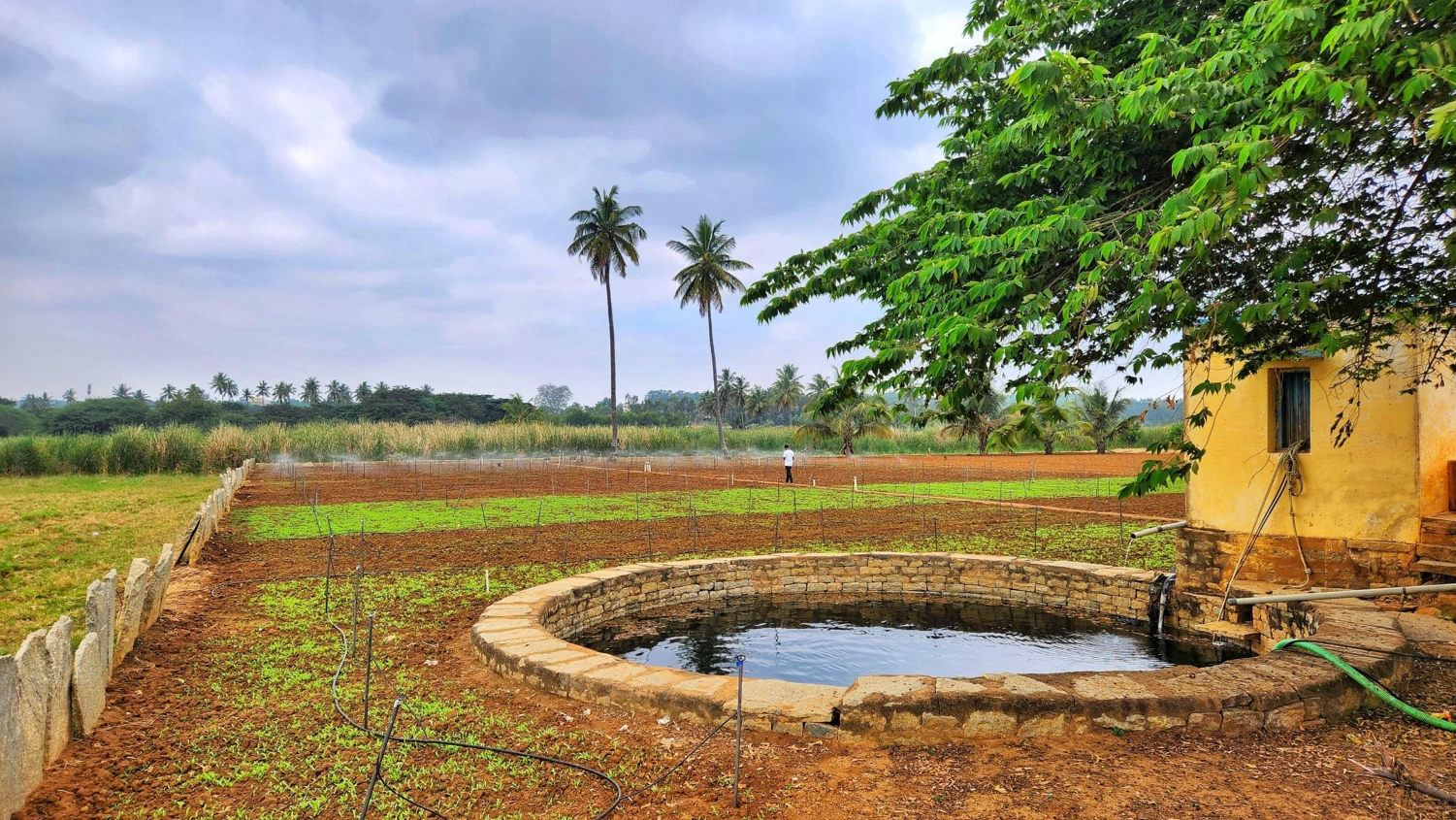
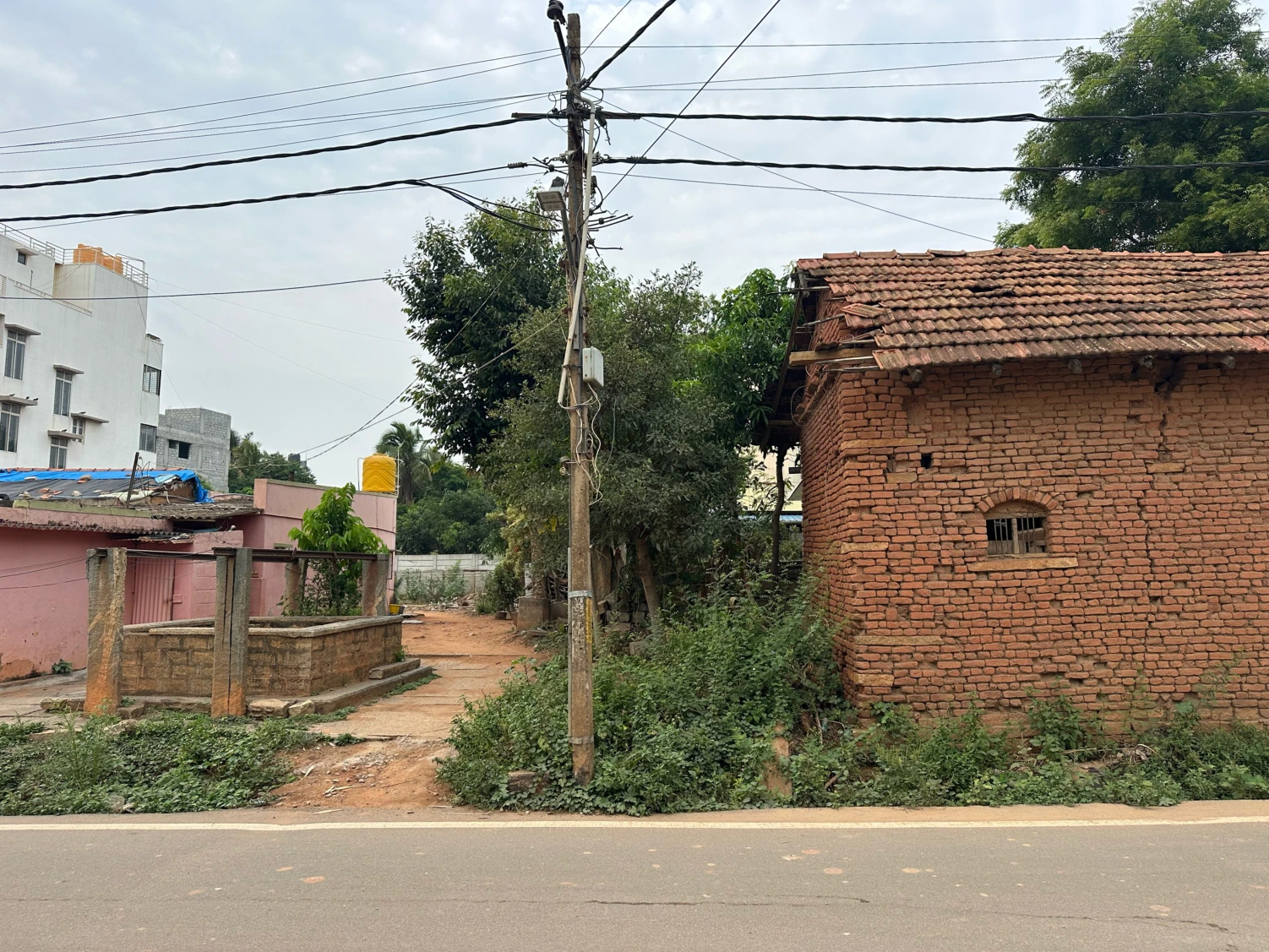
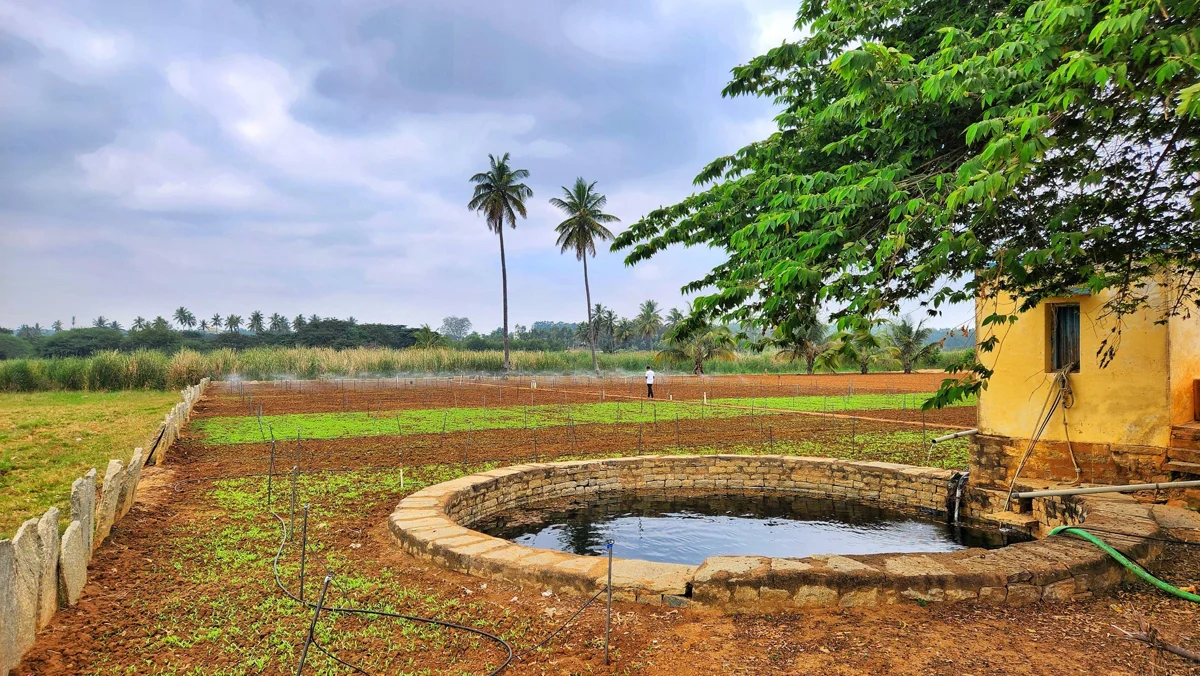
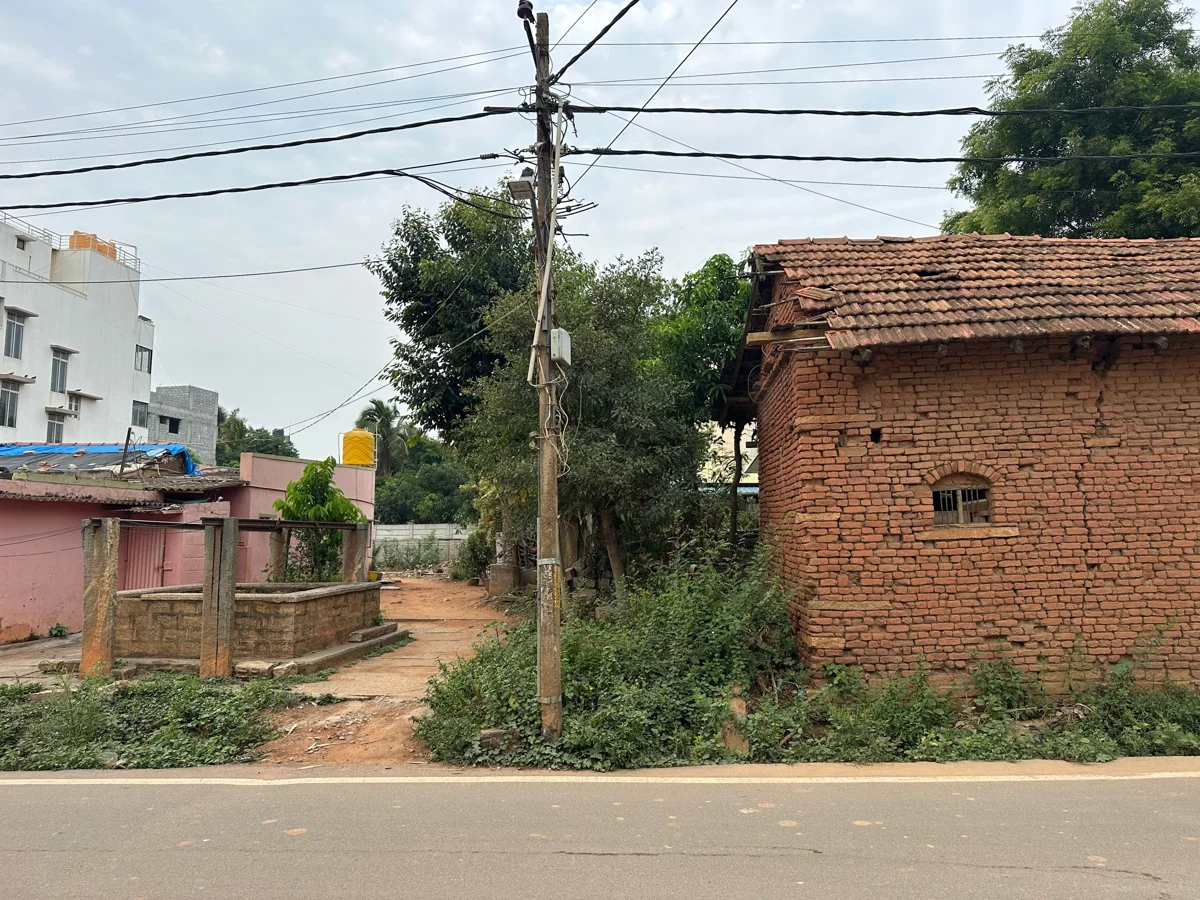
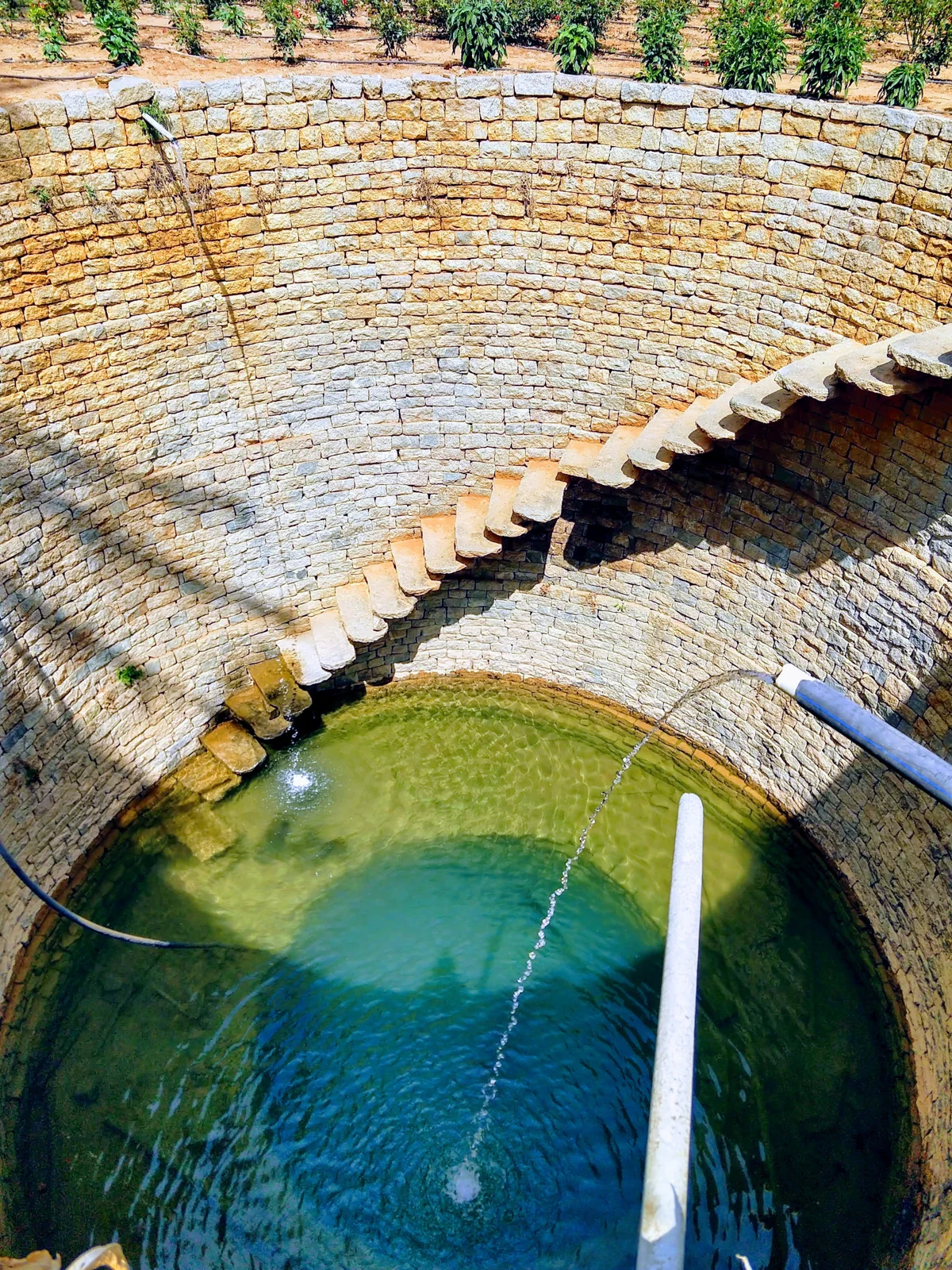
BHAVI Every lake had a secret life beneath the surface. When rain filled the kere and the water settled, it did not simply sit. It seeped slowly downward through the soil and rock, finding its way into the aquifer below. The land around the tank absorbed this gift quietly, holding it in the dark, and the open well was how a community reached in and took it back. In every command area, the land downstream of the bund, a well was always present. It was not an afterthought. It was part of the design. The kere fed the bhavi, the lake sustained the well, and the well sustained the household. They were one continuous system moving water from sky to soil to stone to hand. Every farm landower, and almost everyhouse had a well. For the communities who cant afford a well there is always public well to serve their needs. Open wells in Bengaluru were typically dug from about three feet in diameter and could descend as deep as eighty feet, depending on the geology beneath and the purpose the well was meant to serve. The sweetest and most prized of these were the Sihineeru Bavis, the sweet water wells, reserved specifically for drinking. Their water was treated with care, drawn with clean vessels, and shared freely with neighbours. Wells were remarkably resilient. In years when the kere dried up completely, the well often continued to give. The aquifer held memory longer than the surface.
Communities understood this and trusted it, returning to the well through dry seasons when the tank offered nothing. Drawing water from these wells was itself a craft. Traditional technologies shaped the rhythm of daily life around them. The picot, a counterweighted lever, made lifting heavy vessels easier. The pulley turned the work of drawing water into something almost effortless. The Persian wheel and the spinning wheel allowed larger volumes to be lifted for irrigation. As time moved forward, diesel and electric machines arrived and took over much of this labour. But for centuries before them, it was human hands, simple tools, and the reliable source of the aquifer that kept the city alive.
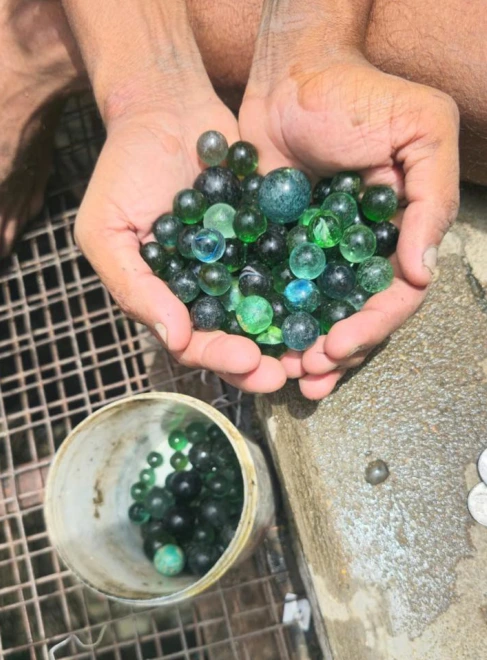
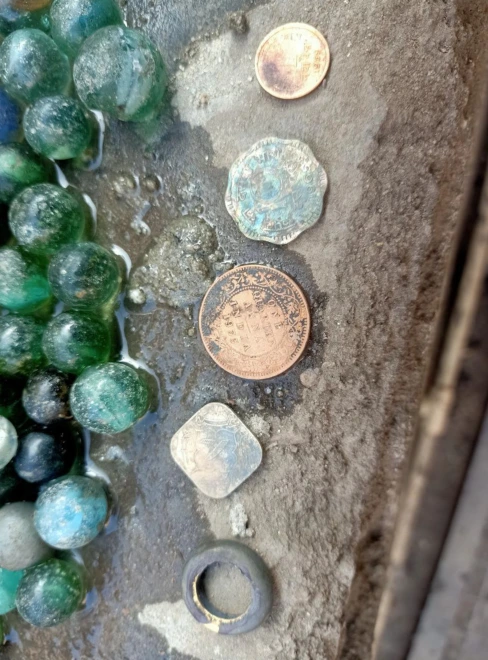
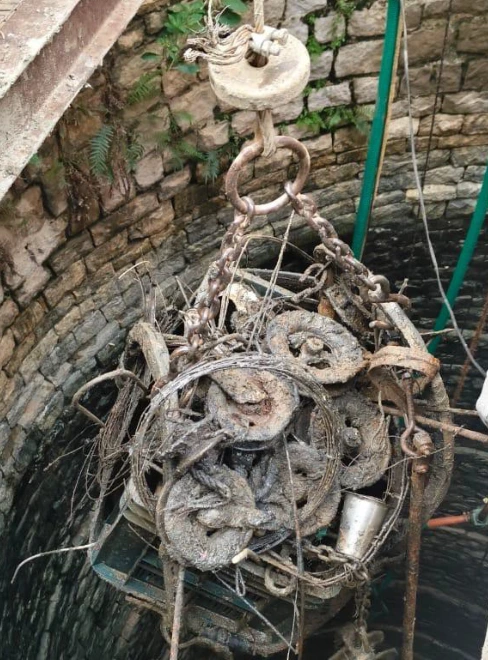
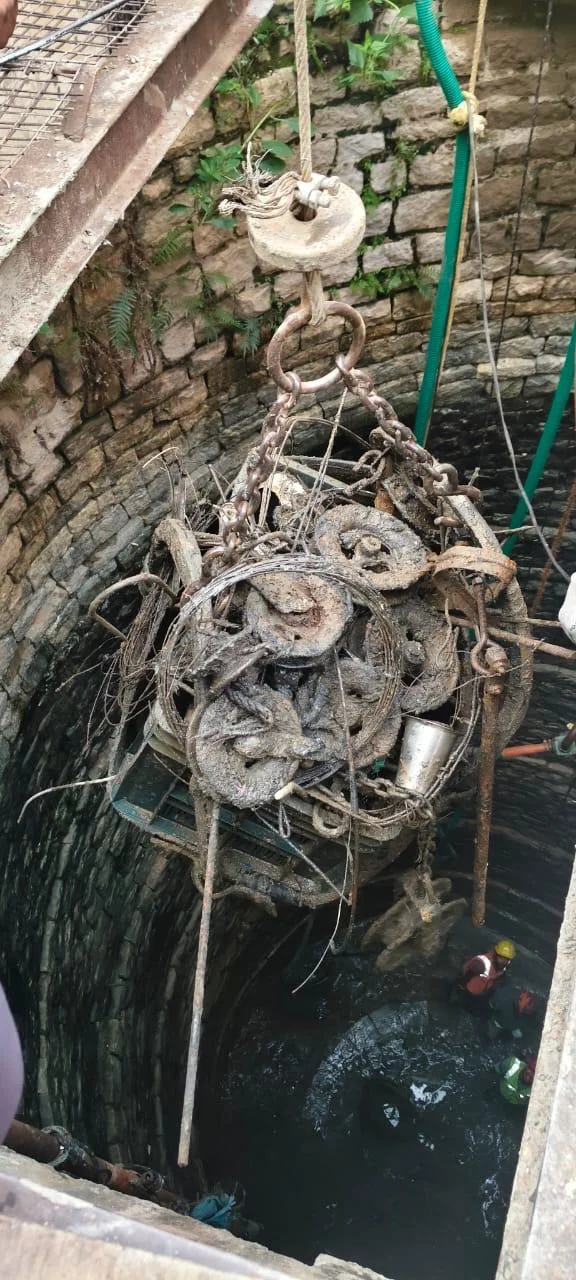
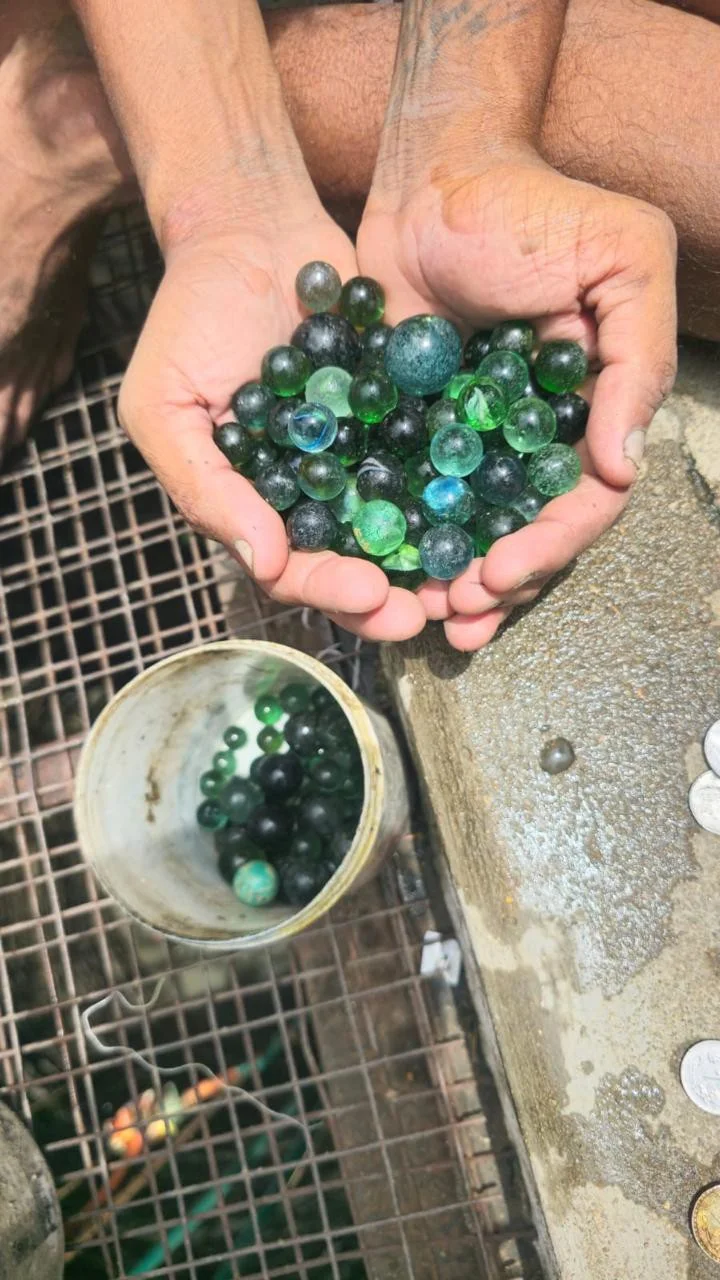
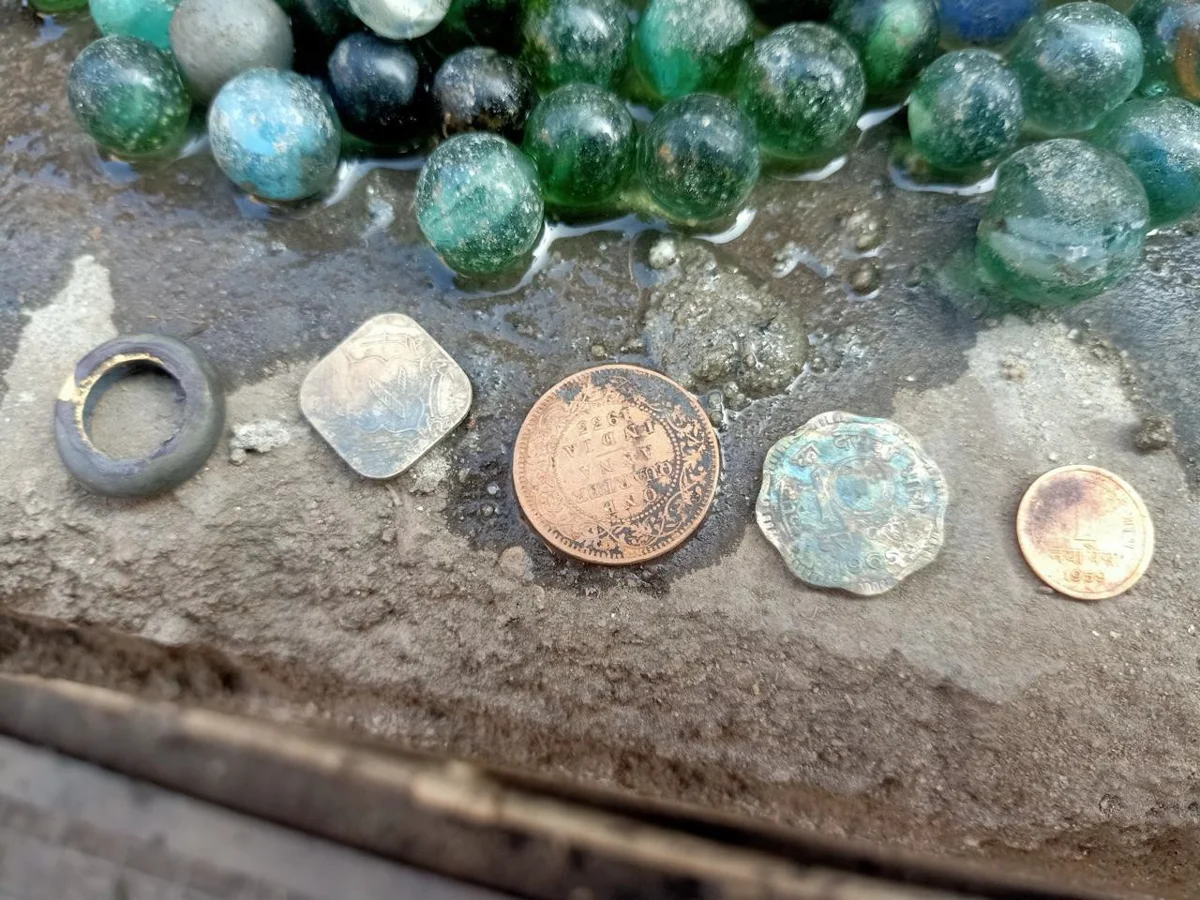
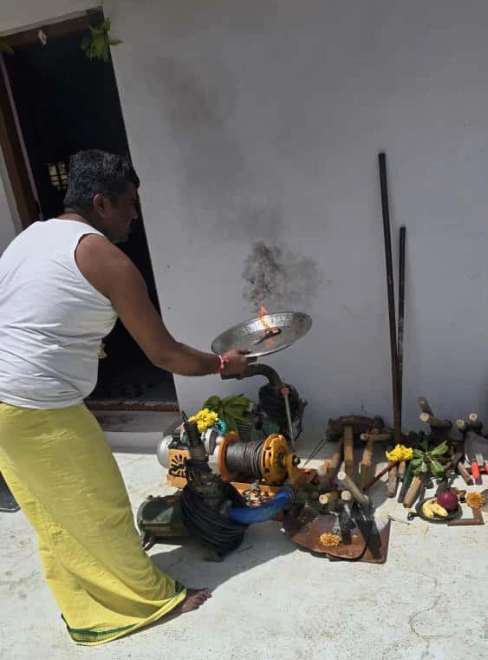
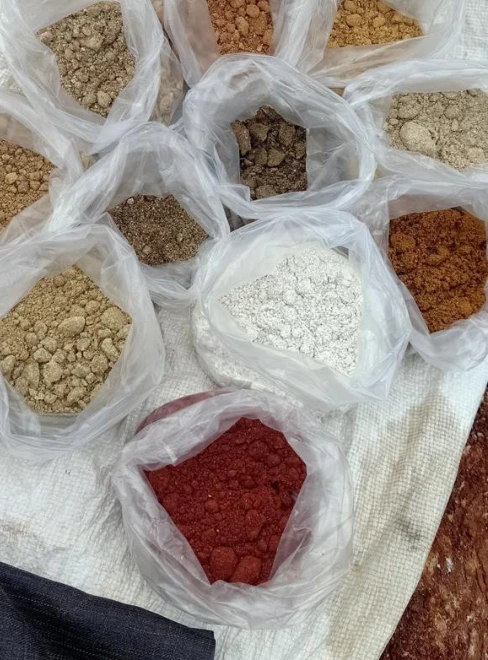
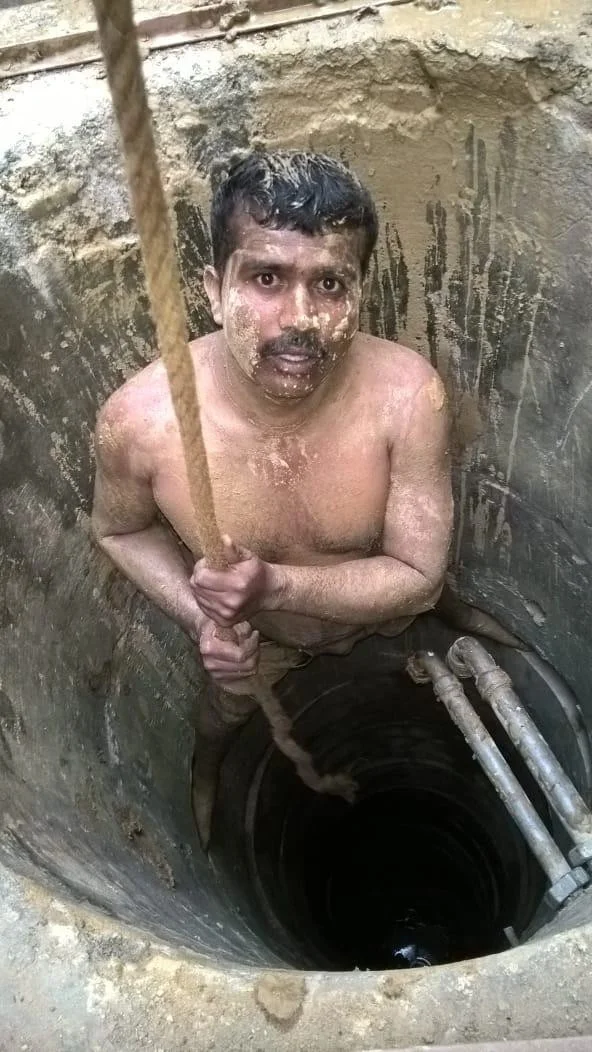
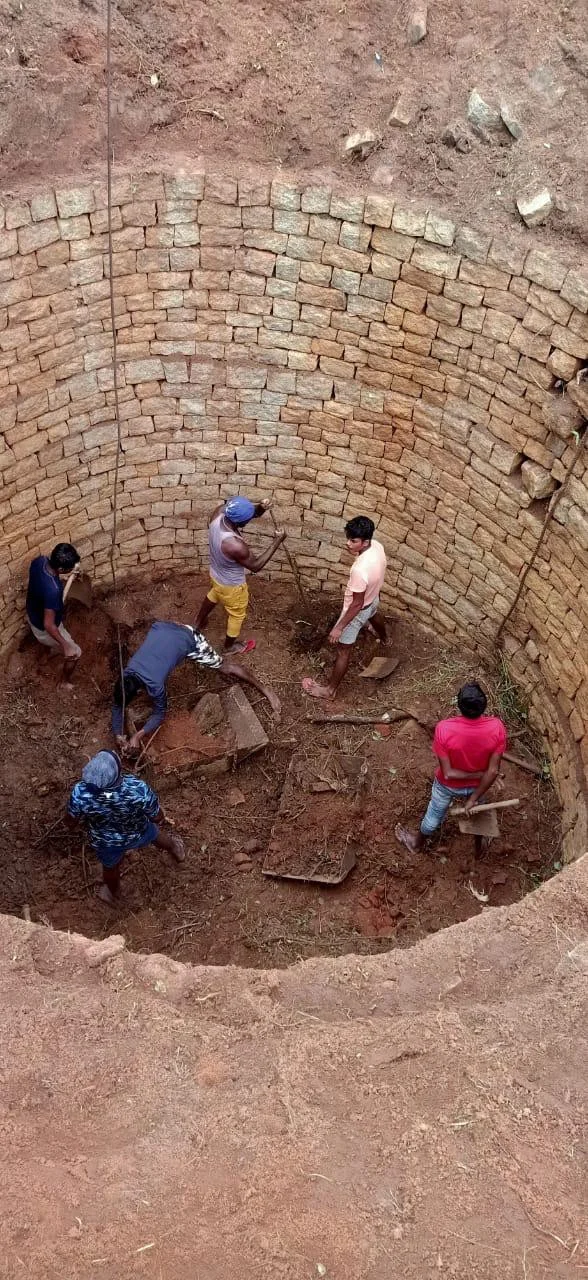
REJUVENATION OF WELLS Like keres, bhavis need renewal once every decade or two. Over time, silt accumulates and reduces the well's capacity to hold and absorb water. Cleaning restores this capacity, allowing water to seep back in at its natural rate. Disinfection follows, clearing the water of biological growth and making it safe for use again. What comes out of the well during this process matters too. Old tools, household objects, and organic remains often surface during desilting, each one a quiet record of the neighbourhood's past, its water habits, its people, and how they lived.
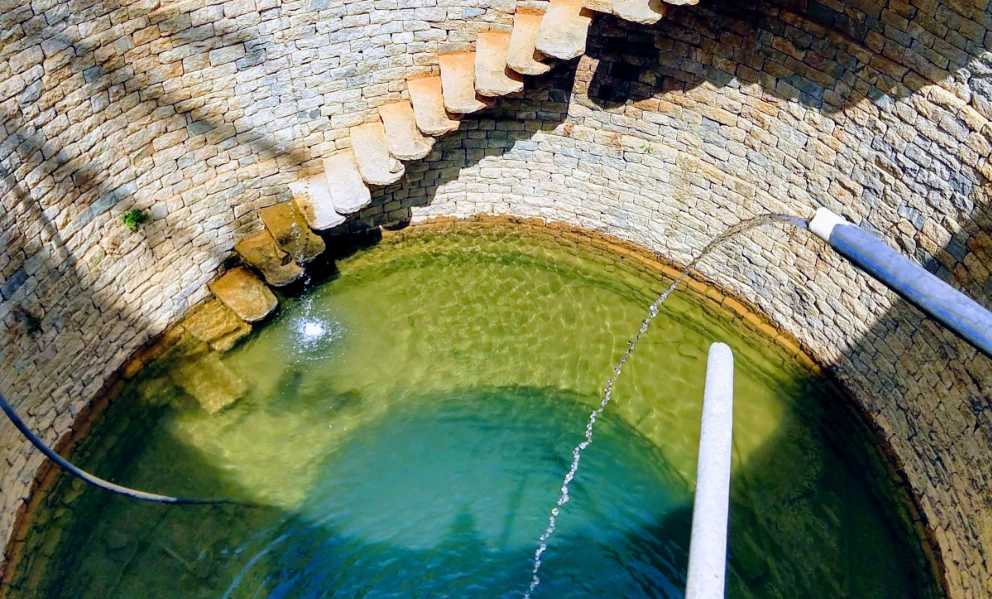
KALYANI Some water structures were built not just to hold water, but to welcome people into it. The Kalyani, or step well, has been part of Bengaluru's landscape for nearly a thousand years, tracing back to the Chola period. Built wide and symmetrical, with stone steps gradually sloping down from all sides toward a central tank, the design was deliberate. Water touched soil only along half its surface area, controlling seepage and keeping stored rainwater cleaner. The kalyani collected rain, held it, and slowly returned it to the ground beneath. Where rivers began, kalyanis were built to mark the moment. The three rivers draining Bengaluru's plateau, the Dakshina Pinakini, the Arkavati, and the Vrishabhavati, each rise from groundwater at their source points. Communities built kalyanis at these origins, making visible what they already understood: the place where water emerges from the earth deserves reverence. Inside temple complexes, the Kalyani became a Pushkarani. Devotees bathed here before entering the sacred space. During festivals, idols were immersed in its waters. The pushkarani was not peripheral to temple life. It was central to it. In neighbourhoods, the same structure served daily life. People washed clothes, watered cattle, and drew water for domestic use. The kalyani held both the sacred and the ordinary in the same still water, without contradiction.
Hydroecological Life
Water in Circulation
BHAVI Every lake had a secret life beneath the surface. When rain filled the kere and the water settled, it did not simply sit. It seeped slowly downward through the soil and rock, finding its way into the aquifer below. The land around the tank absorbed this gift quietly, holding it in the dark, and the open well was how a community reached in and took it back. In every command area, the land downstream of the bund, a well was always present. It was not an afterthought. It was part of the design. The kere fed the bhavi, the lake sustained the well, and the well sustained the household. They were one continuous system moving water from sky to soil to stone to hand. Every farm landower, and almost everyhouse had a well. For the communities who cant afford a well there is always public well to serve their needs. Open wells in Bengaluru were typically dug from about three feet in diameter and could descend as deep as eighty feet, depending on the geology beneath and the purpose the well was meant to serve. The sweetest and most prized of these were the Sihineeru Bavis, the sweet water wells, reserved specifically for drinking. Their water was treated with care, drawn with clean vessels, and shared freely with neighbours. Wells were remarkably resilient. In years when the kere dried up completely, the well often continued to give. The aquifer held memory longer than the surface.
Communities understood this and trusted it, returning to the well through dry seasons when the tank offered nothing. Drawing water from these wells was itself a craft. Traditional technologies shaped the rhythm of daily life around them. The picot, a counterweighted lever, made lifting heavy vessels easier. The pulley turned the work of drawing water into something almost effortless. The Persian wheel and the spinning wheel allowed larger volumes to be lifted for irrigation. As time moved forward, diesel and electric machines arrived and took over much of this labour. But for centuries before them, it was human hands, simple tools, and the reliable source of the aquifer that kept the city alive.
REJUVENATION OF WELLS Like keres, bhavis need renewal once every decade or two. Over time, silt accumulates and reduces the well's capacity to hold and absorb water. Cleaning restores this capacity, allowing water to seep back in at its natural rate. Disinfection follows, clearing the water of biological growth and making it safe for use again. What comes out of the well during this process matters too. Old tools, household objects, and organic remains often surface during desilting, each one a quiet record of the neighbourhood's past, its water habits, its people, and how they lived.
KALYANI Some water structures were built not just to hold water, but to welcome people into it. The Kalyani, or step well, has been part of Bengaluru's landscape for nearly a thousand years, tracing back to the Chola period. Built wide and symmetrical, with stone steps gradually sloping down from all sides toward a central tank, the design was deliberate. Water touched soil only along half its surface area, controlling seepage and keeping stored rainwater cleaner. The kalyani collected rain, held it, and slowly returned it to the ground beneath. Where rivers began, kalyanis were built to mark the moment. The three rivers draining Bengaluru's plateau, the Dakshina Pinakini, the Arkavati, and the Vrishabhavati, each rise from groundwater at their source points. Communities built kalyanis at these origins, making visible what they already understood: the place where water emerges from the earth deserves reverence. Inside temple complexes, the Kalyani became a Pushkarani. Devotees bathed here before entering the sacred space. During festivals, idols were immersed in its waters. The pushkarani was not peripheral to temple life. It was central to it. In neighbourhoods, the same structure served daily life. People washed clothes, watered cattle, and drew water for domestic use. The kalyani held both the sacred and the ordinary in the same still water, without contradiction.

Socio Economic Life
Water in System
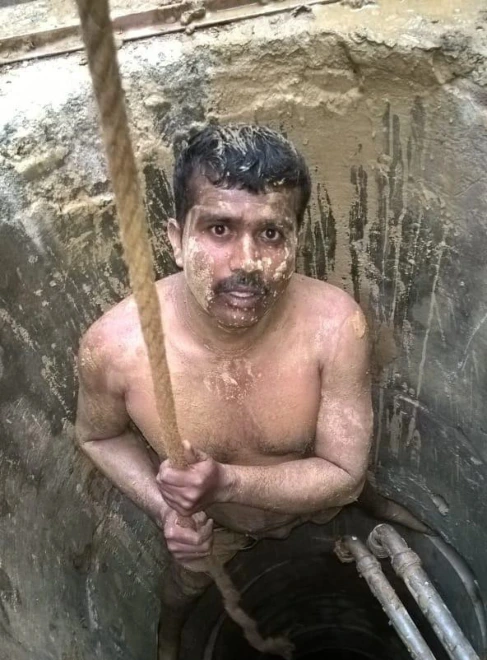
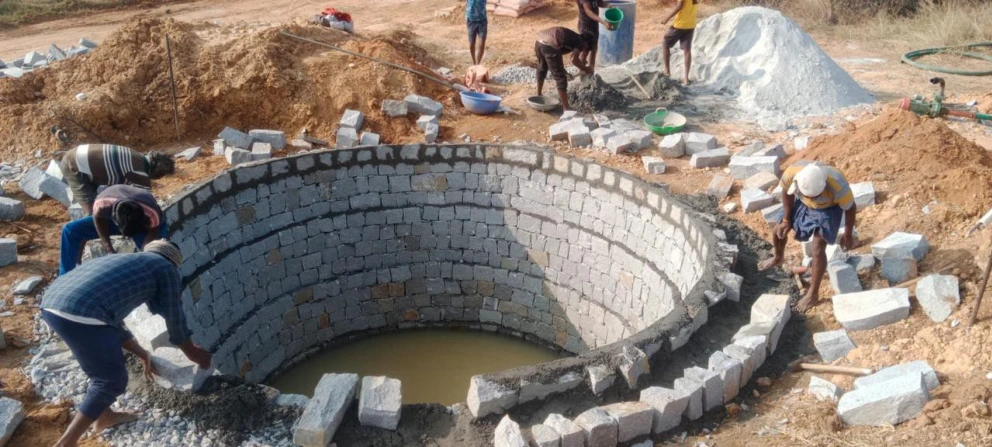
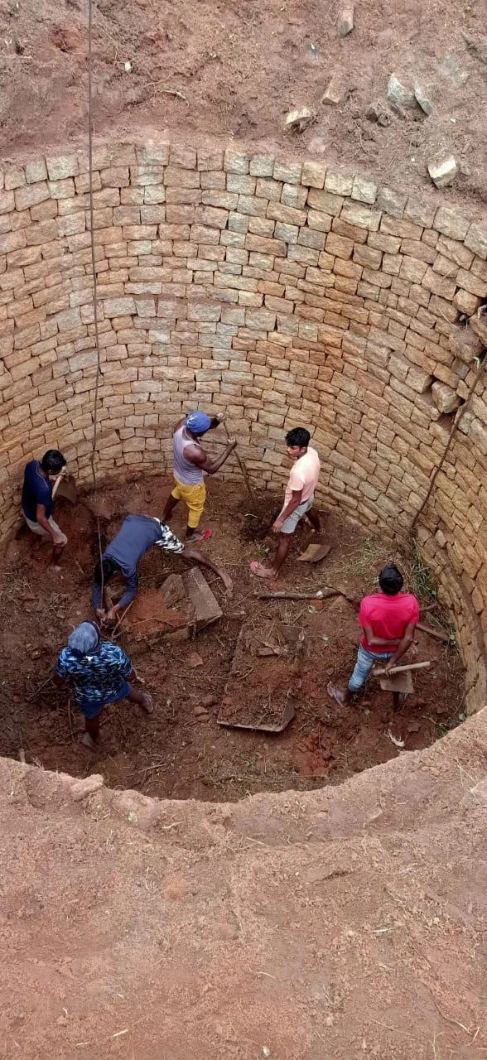
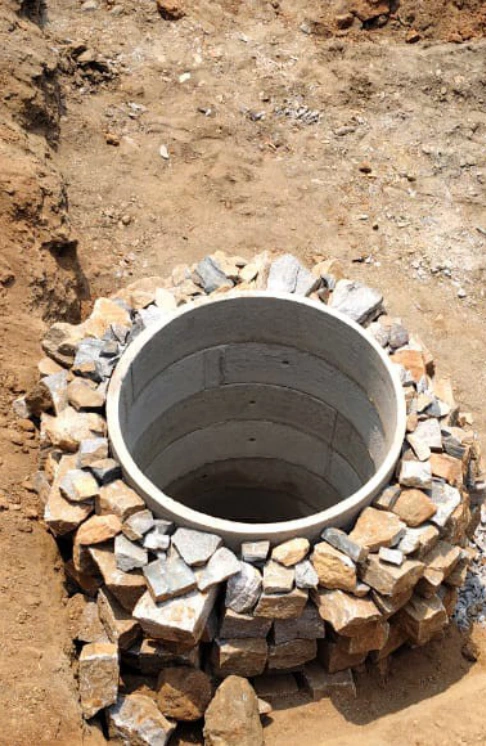
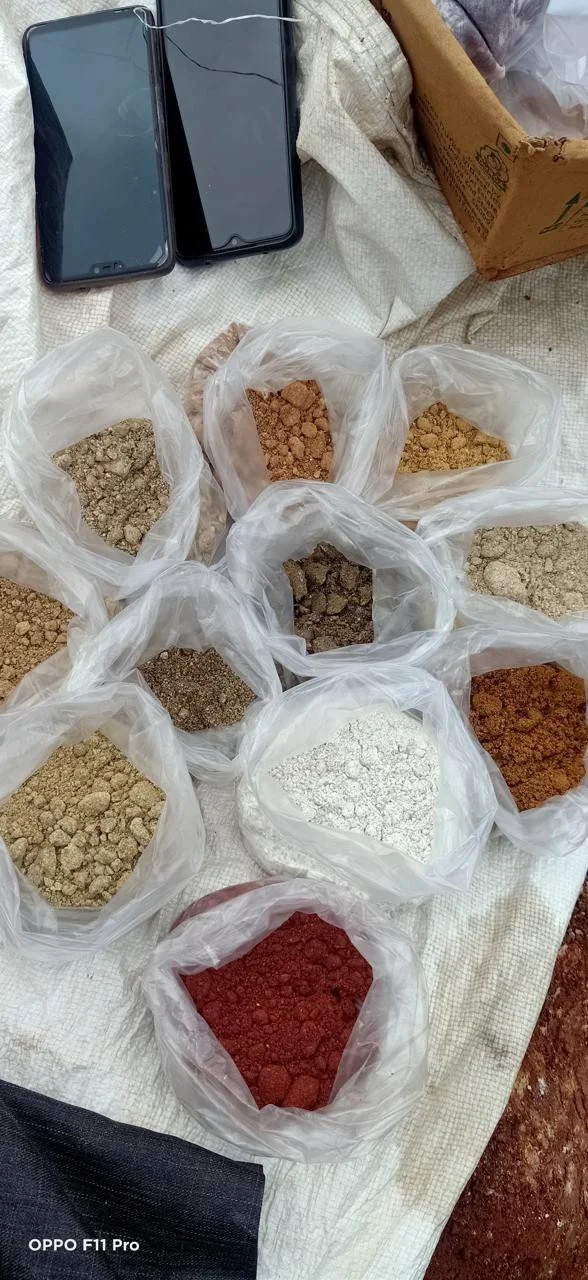
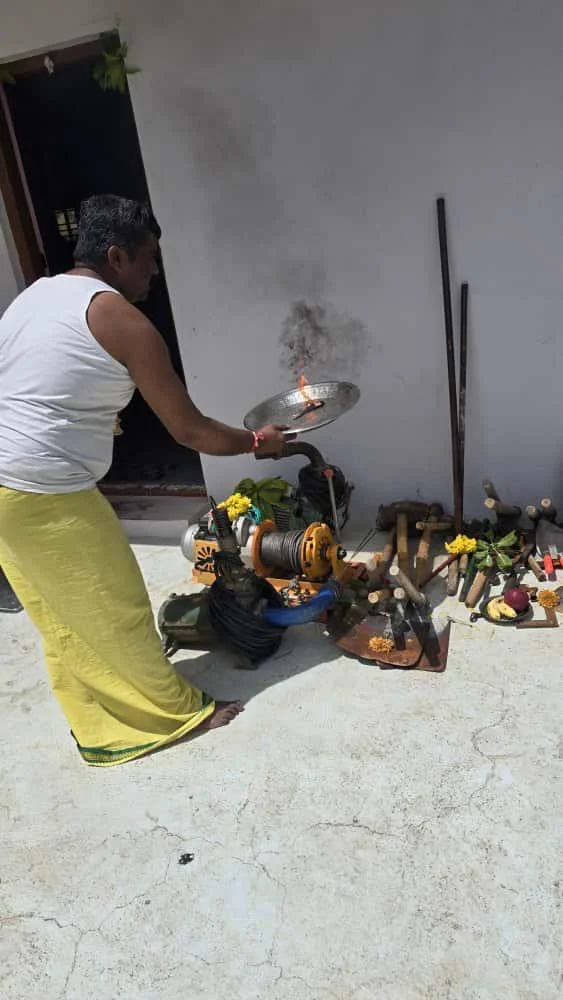
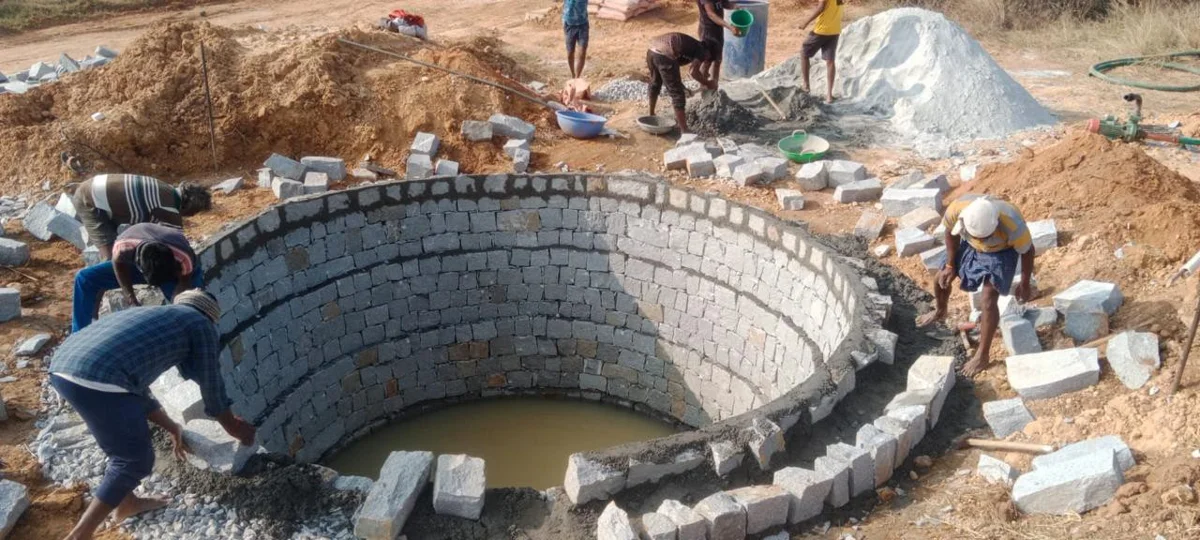
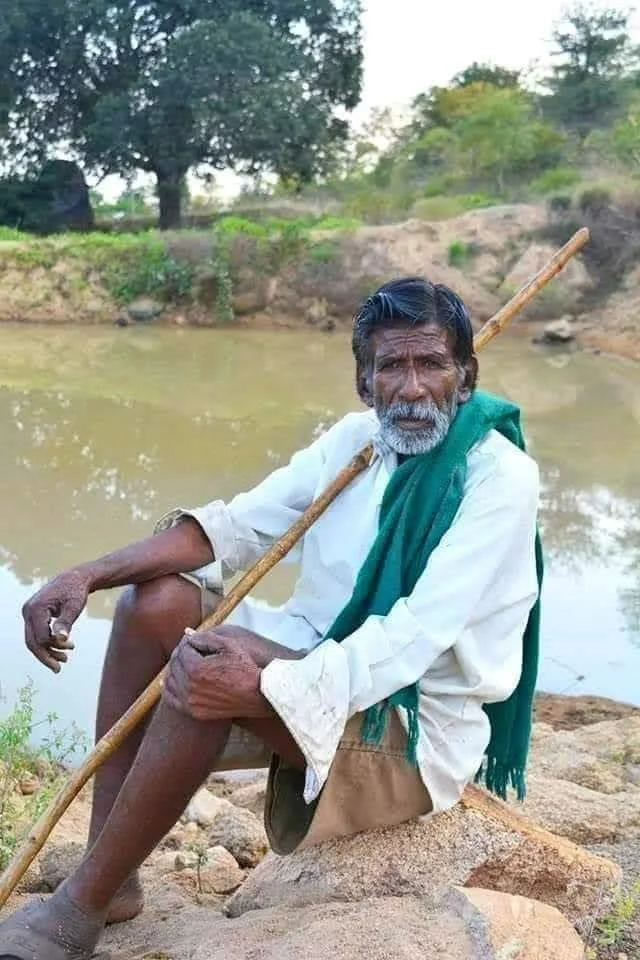
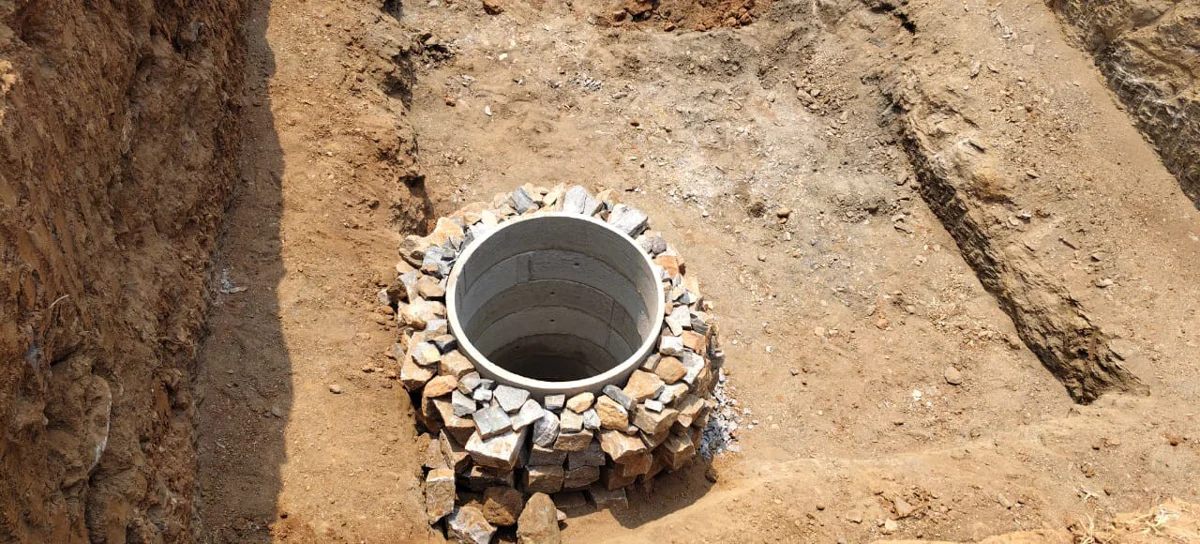
WELLDIGGERS The Kere–Bhavi system was shaped not only by kings and patrons but also by generations of skilled earthworkers from the Mannu Vaddar, and Kallu Vaddar both together know as Bhovi communities/Well diggers community . Their knowledge transformed soil, stone, and groundwater into lasting water infrastructure. Many Bhovi families continue to live around Sarjapur and Bhovi Palya, carrying memories
of a craft that sustained Bengaluru for centuries. Many of Bengaluru's wells and lakes were built and maintained by these communities. Digging a well was not merely excavation; it required understanding geology, reading the land, identifying water-bearing layers, and constructing stable stone-lined walls without mortar carrying the hydrogeology knowledge of the city. This knowledge was passed down through generations, from parent to child, through practice rather than written instruction. Every functioning well stands as a testament to their skill, labour, and intimate understanding of water beneath the ground.
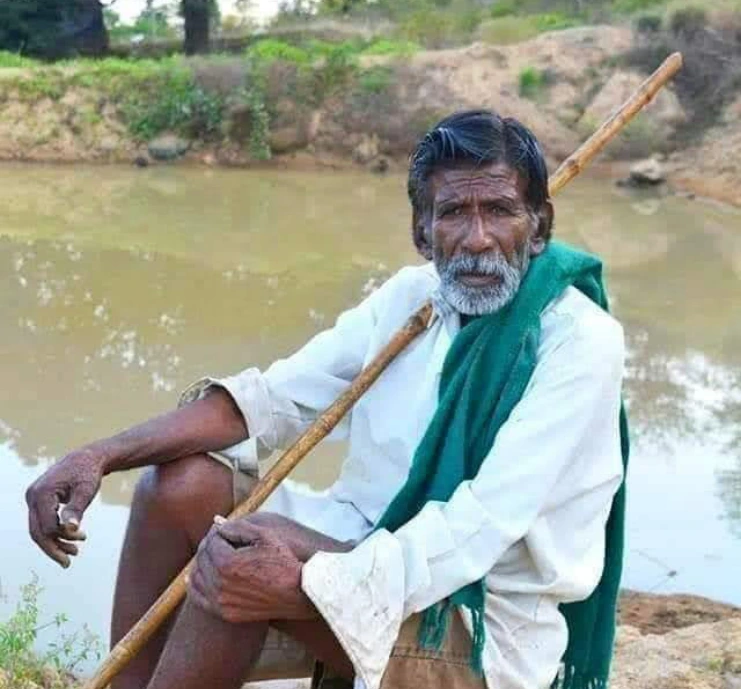
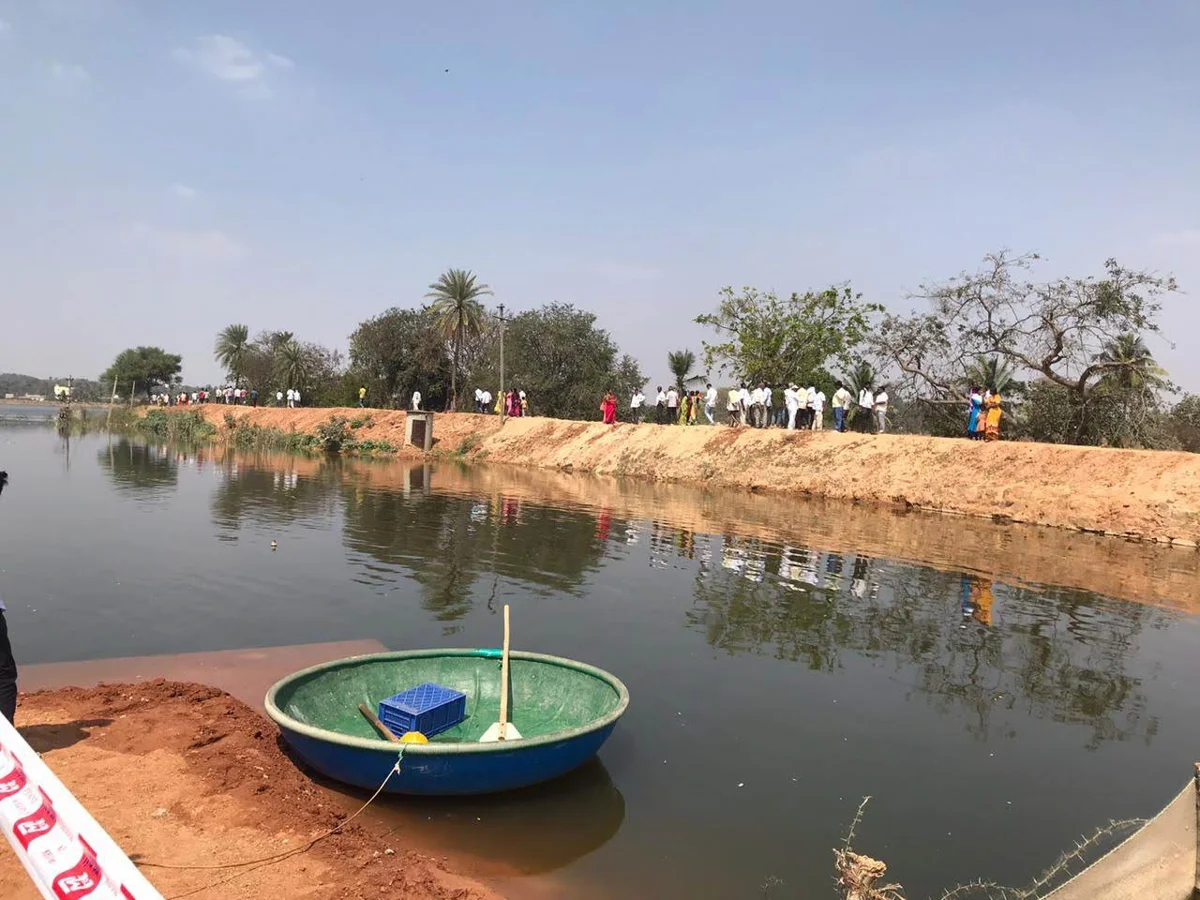
NEERUGANTI Every lake had a Neeruganti, the person entrusted with managing and distributing water from the tank. Working on behalf of the village rather than the state, the Neeruganti ensured that water reached fields fairly and at the right time.
The role demanded a deep understanding of rainfall, storage levels, crops, and community needs. The Neeruganti decided the schedule of water releases, monitored the condition of crops, informed farmers about pests and diseases, and oversaw the maintenance of the lake, its inlets, outlets, sluice gates, and bunds. Acting as a messenger between the lake and the community, he carried important information to farmers and village residents. His day often began with prayers to the lake guardian deities, Duggalamma or Gangamma, before operating the sluice gate and regulating the flow of water into the command area. Partc;ipating in
the village dec;ision meeting and passing the information about the lake that needs attention. The position often remained within the same family for generations. In
return for their service, Neerugantis were granted agricultural land and received a share of the seasonal harvest from farmers. More than a water manager, the Neeruganti was a trusted custodian who maintained not only the lake but also the social and economic harmony that depended upon it.
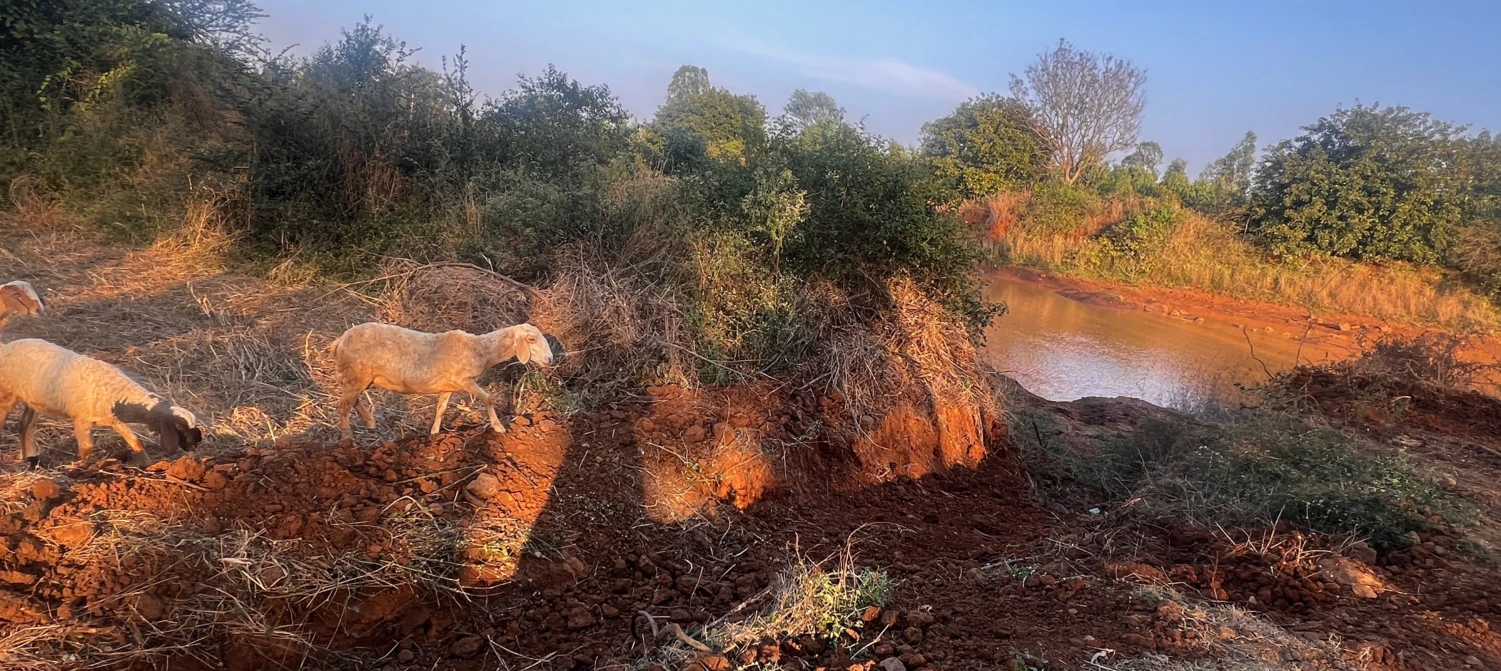
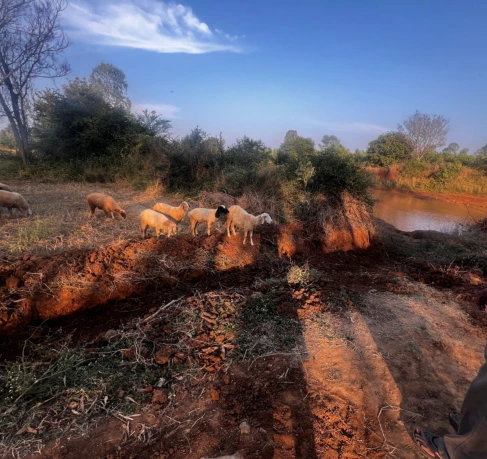
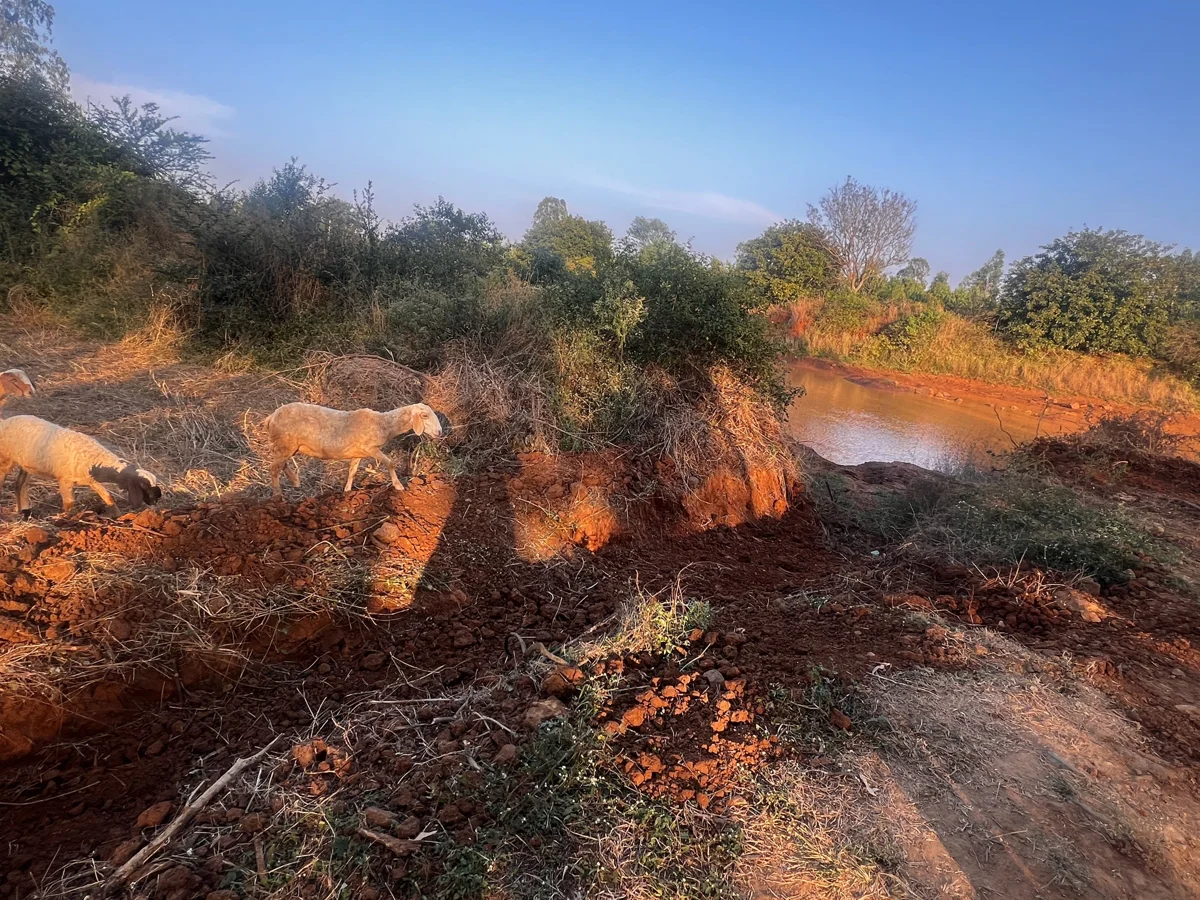
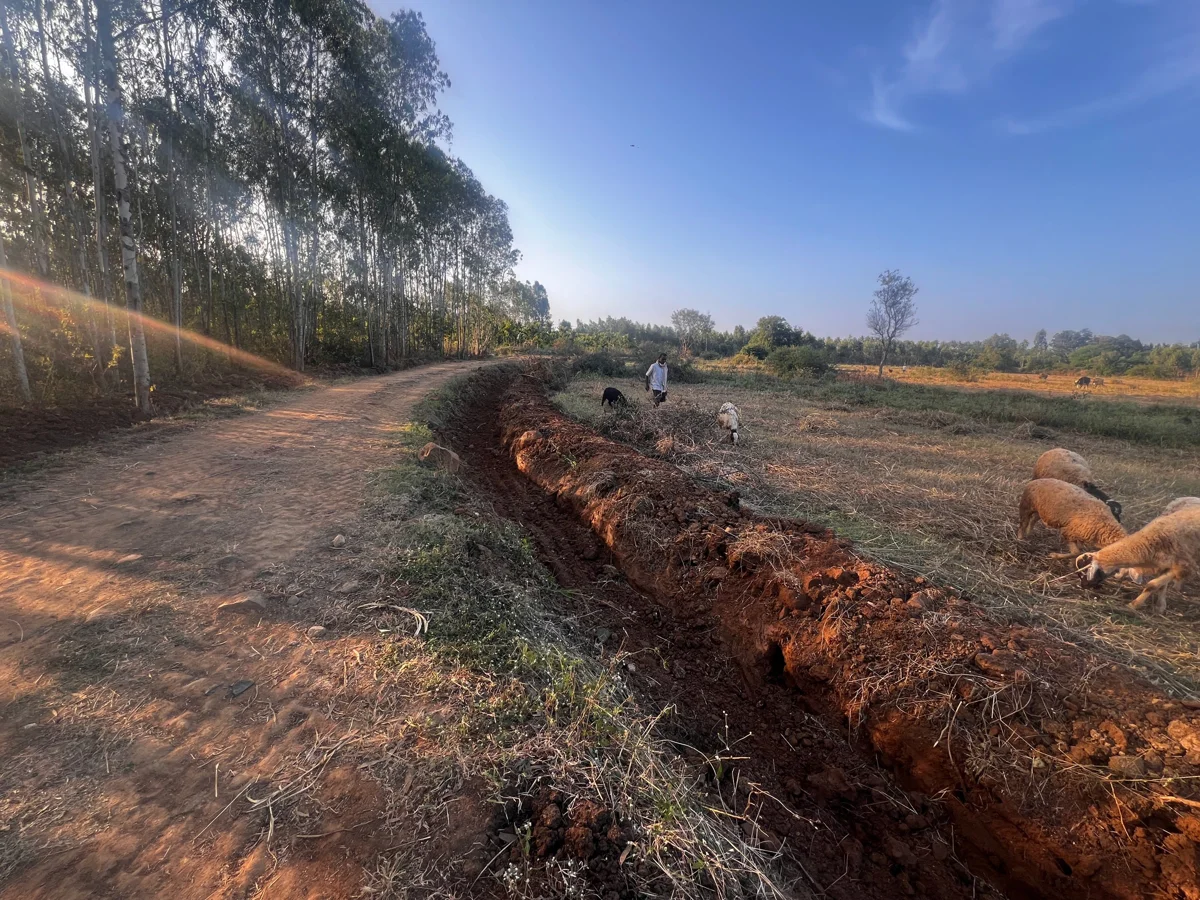
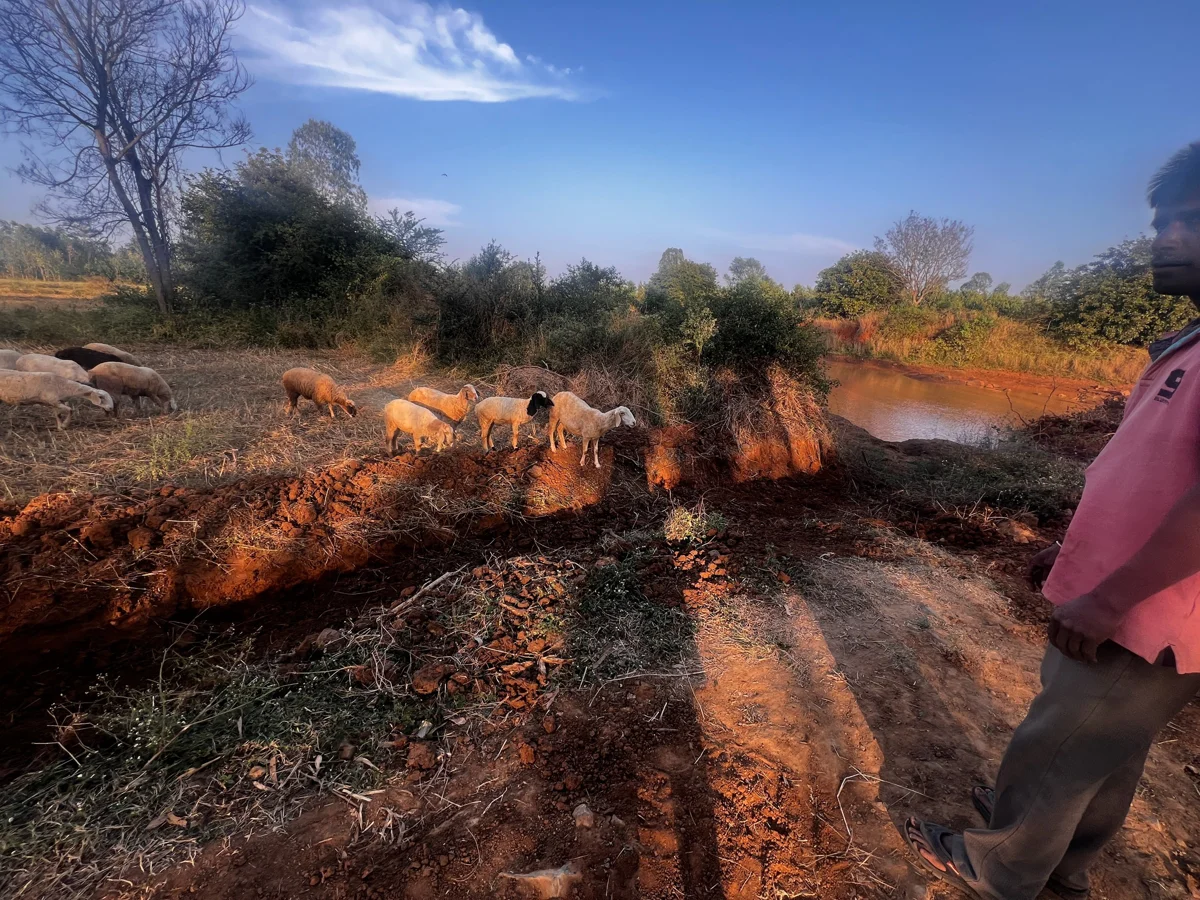
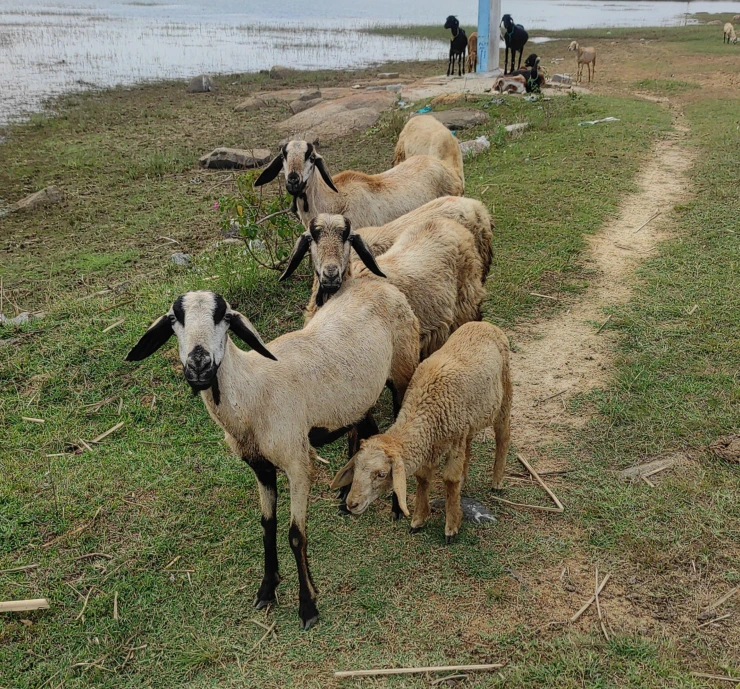
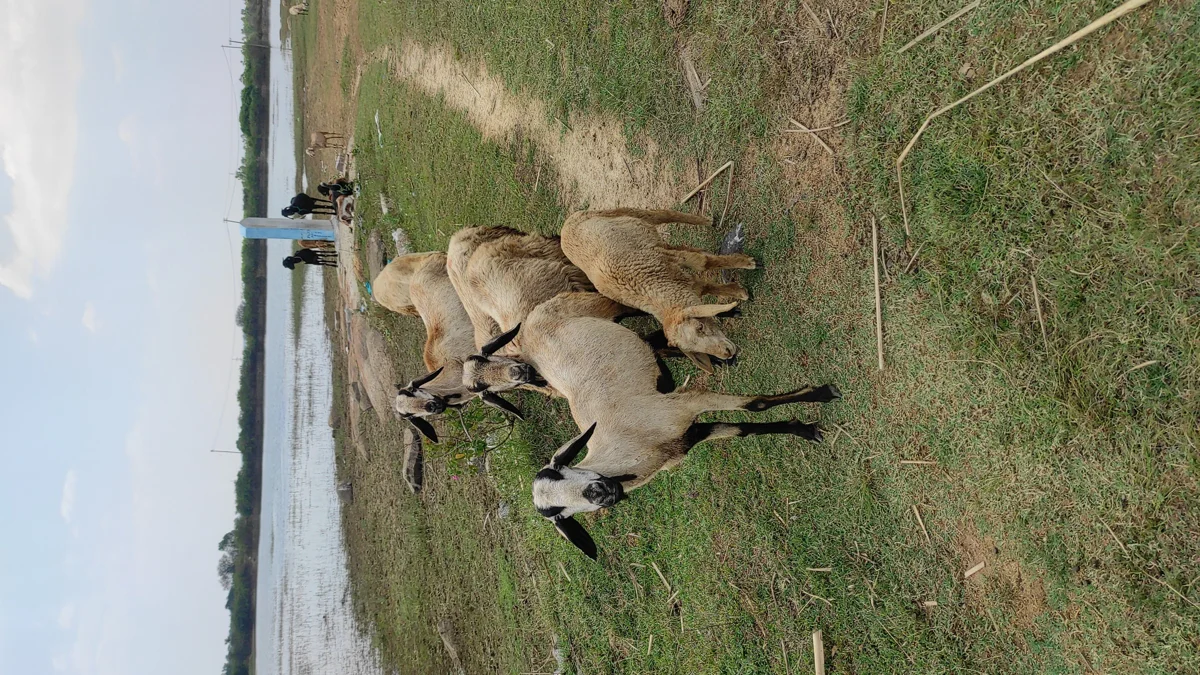
CATTLEGRAZERS The grasslands around Bengaluru's lakes were as important as the water itself. Seasonal moisture supported rich fodder growth, making lake edges valuable grazing grounds for cattle, sheep, and goats. These open landscapes sustained pastoral livelihoods and supplied manure that supported nearby agriculture, creating a close relationship between livestock, farmers, and lakes.
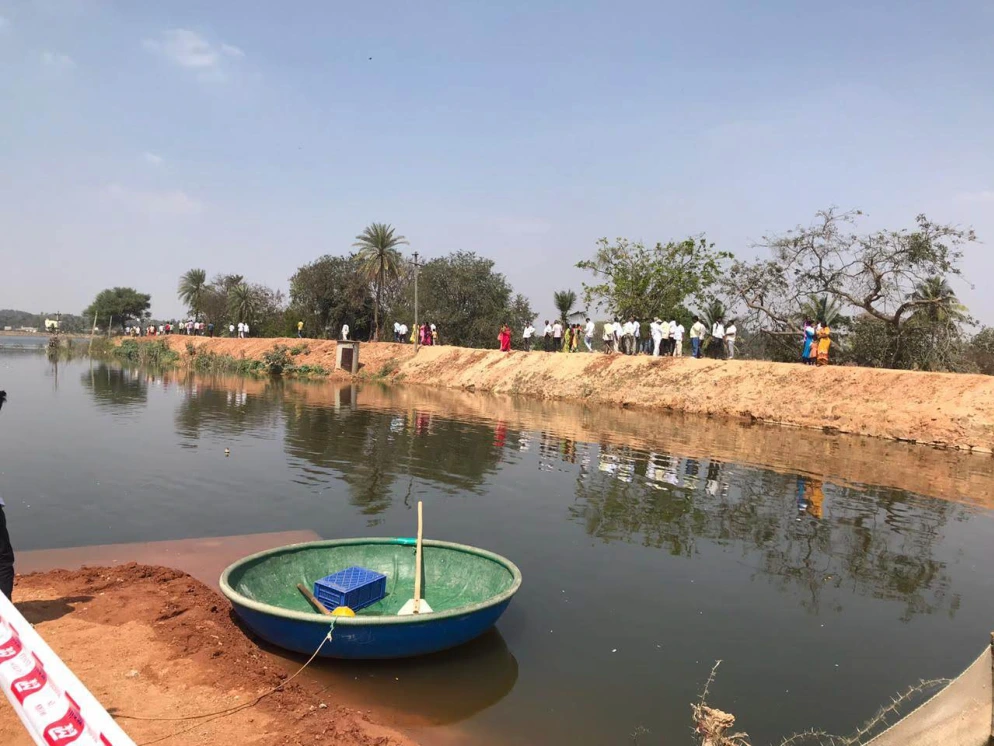
FISHERMEN Many of Bengaluru's larger lakes supported seasonal fishing
communities. Fish provided food and supplementary income while also becoming part of local markets. The health of the fish population reflected the health of the lake itself, linking the livelihoods of fishing families to the quality and management of the water body.
POTTERS Seasonal cycles of filling and drying exposed fresh layers of clay,creating a renewable resource that supported generations of artisans. they also supplied the clay and silt that sustained pottery traditions. Fine clay deposited along lake beds and tank edges was collected and shaped into pots, storage vessels, lamps, and household utensils. This helps to maintain the lake bed from silt deposition. For potter
communities, the lake was source of raw material.
Socio Economic Life
Water in System
WELLDIGGERS The Kere–Bhavi system was shaped not only by kings and patrons but also by generations of skilled earthworkers from the Mannu Vaddar, and Kallu Vaddar both together know as Bhovi communities/Well diggers community . Their knowledge transformed soil, stone, and groundwater into lasting water infrastructure. Many Bhovi families continue to live around Sarjapur and Bhovi Palya, carrying memories
of a craft that sustained Bengaluru for centuries. Many of Bengaluru's wells and lakes were built and maintained by these communities. Digging a well was not merely excavation; it required understanding geology, reading the land, identifying water-bearing layers, and constructing stable stone-lined walls without mortar carrying the hydrogeology knowledge of the city. This knowledge was passed down through generations, from parent to child, through practice rather than written instruction. Every functioning well stands as a testament to their skill, labour, and intimate understanding of water beneath the ground.
NEERUGANTI Every lake had a Neeruganti, the person entrusted with managing and distributing water from the tank. Working on behalf of the village rather than the state, the Neeruganti ensured that water reached fields fairly and at the right time.
The role demanded a deep understanding of rainfall, storage levels, crops, and community needs. The Neeruganti decided the schedule of water releases, monitored the condition of crops, informed farmers about pests and diseases, and oversaw the maintenance of the lake, its inlets, outlets, sluice gates, and bunds. Acting as a messenger between the lake and the community, he carried important information to farmers and village residents. His day often began with prayers to the lake guardian deities, Duggalamma or Gangamma, before operating the sluice gate and regulating the flow of water into the command area. Partc;ipating in
the village dec;ision meeting and passing the information about the lake that needs attention. The position often remained within the same family for generations. In
return for their service, Neerugantis were granted agricultural land and received a share of the seasonal harvest from farmers. More than a water manager, the Neeruganti was a trusted custodian who maintained not only the lake but also the social and economic harmony that depended upon it.
CATTLEGRAZERS The grasslands around Bengaluru's lakes were as important as the water itself. Seasonal moisture supported rich fodder growth, making lake edges valuable grazing grounds for cattle, sheep, and goats. These open landscapes sustained pastoral livelihoods and supplied manure that supported nearby agriculture, creating a close relationship between livestock, farmers, and lakes.
FISHERMEN Many of Bengaluru's larger lakes supported seasonal fishing
communities. Fish provided food and supplementary income while also becoming part of local markets. The health of the fish population reflected the health of the lake itself, linking the livelihoods of fishing families to the quality and management of the water body.
POTTERS Seasonal cycles of filling and drying exposed fresh layers of clay,creating a renewable resource that supported generations of artisans. they also supplied the clay and silt that sustained pottery traditions. Fine clay deposited along lake beds and tank edges was collected and shaped into pots, storage vessels, lamps, and household utensils. This helps to maintain the lake bed from silt deposition. For potter
communities, the lake was source of raw material.

Socio Cultural Life
Water and its Culture
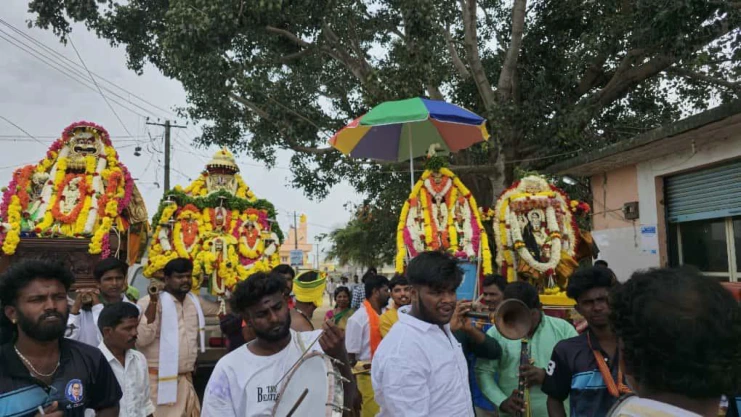
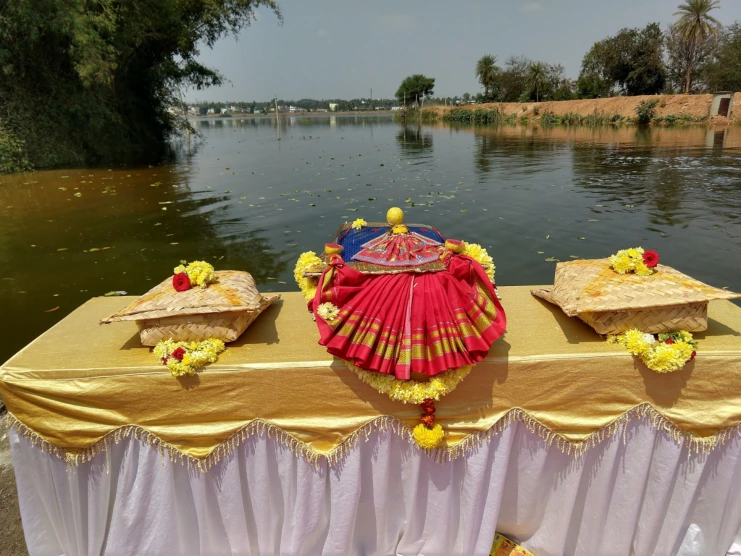
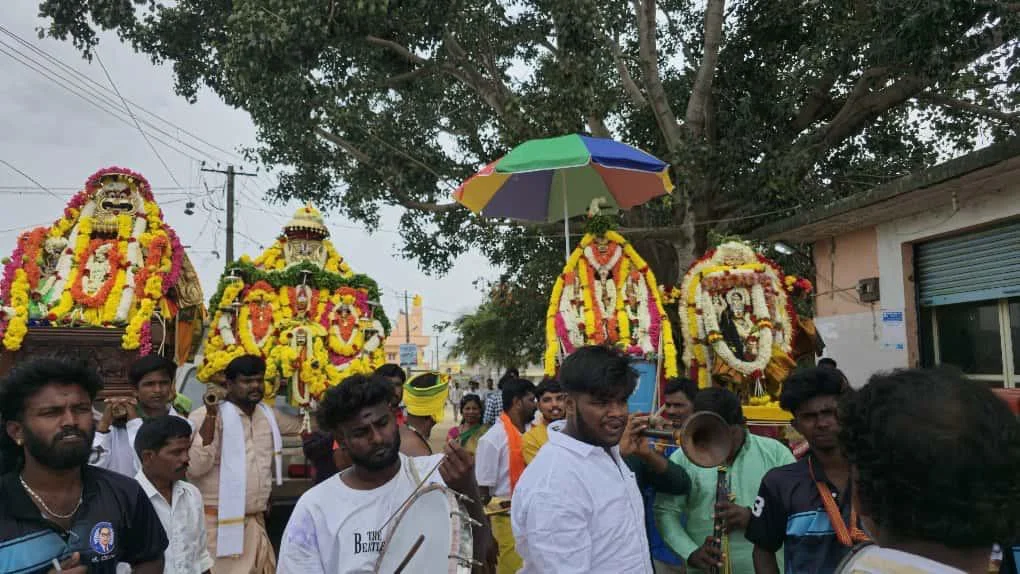
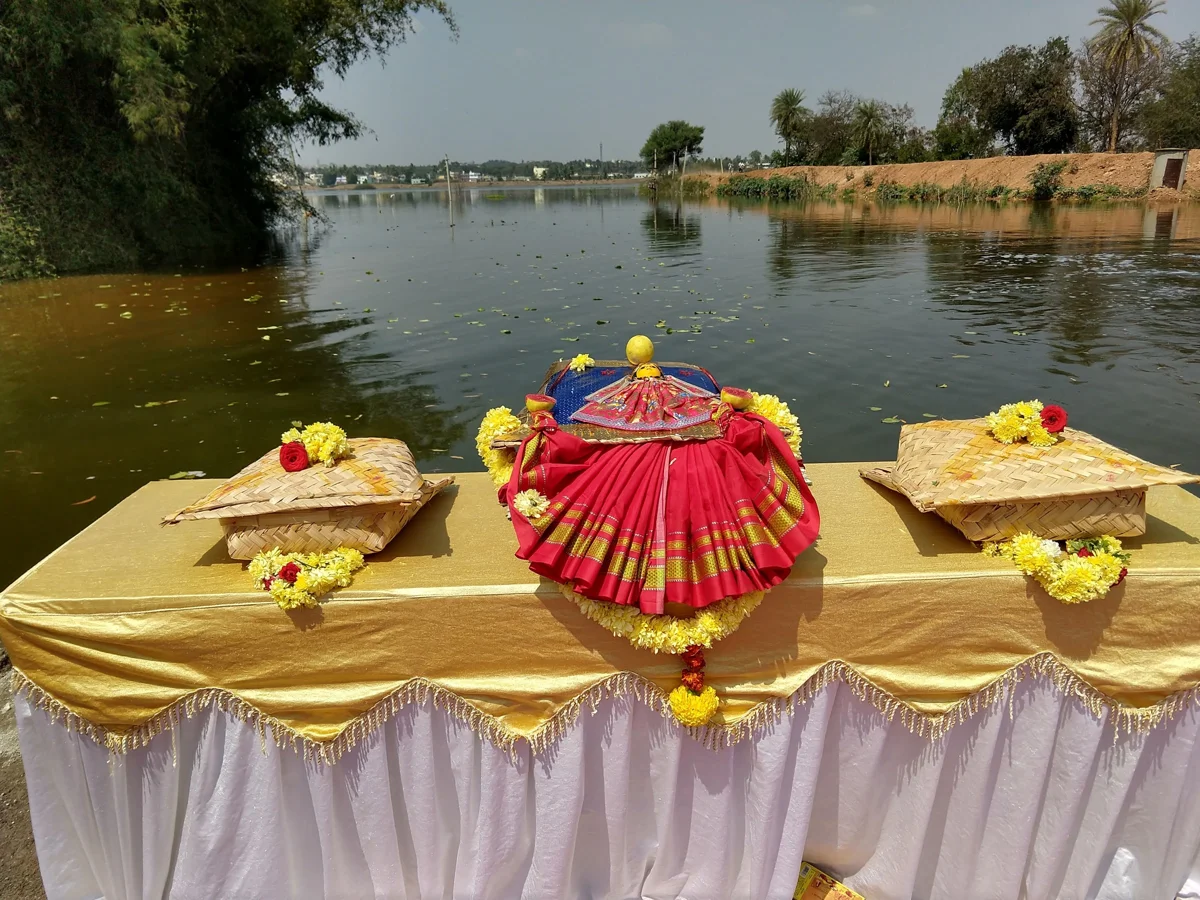
KARAGA FESTIVAL There is a festival in Bengaluru that does not belong to a temple alone. It belongs to the lakes, the wells, the kuntes, and the rain. It is called the Karaga, and for eleven days every March or April, it reminds the city what it was built upon.
The Karaga Shakti Utsava is one of the oldest annual civic festivals of Bengaluru, celebrated in the historic Pete, the old town, and its surrounding areas. It is observed by the Vahnikula Kshatriyas, a warrior clan within the Tigala community, a group historically known as gardeners, horticulturists, and lake settlers. These were people whose lives were shaped by water and soil, and their festival reflects exactly that.
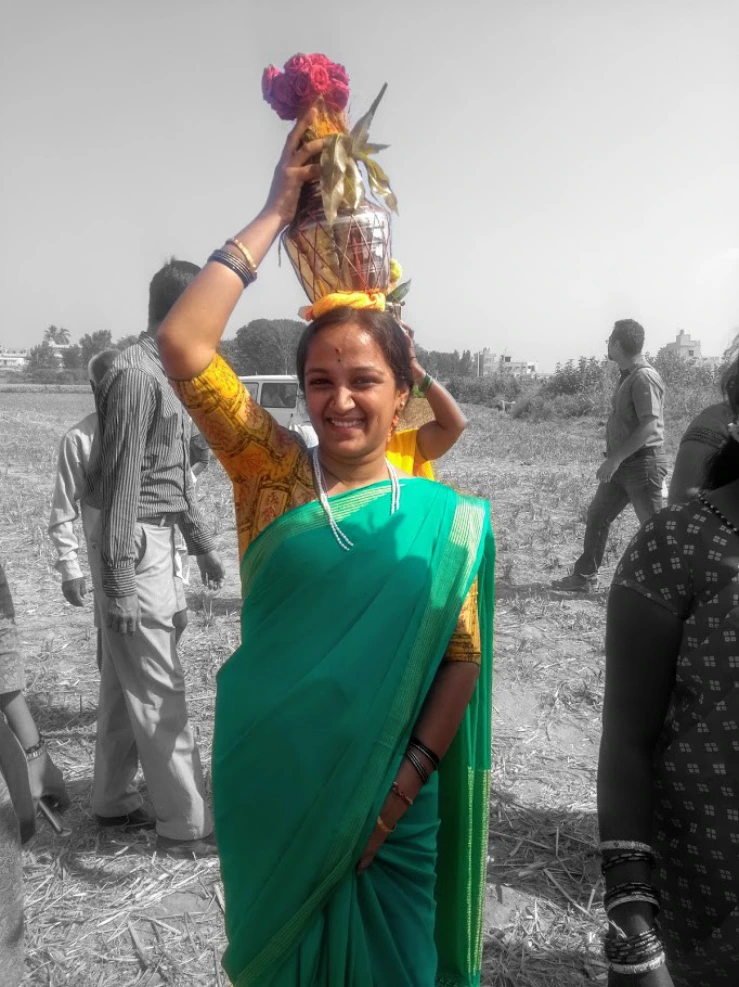
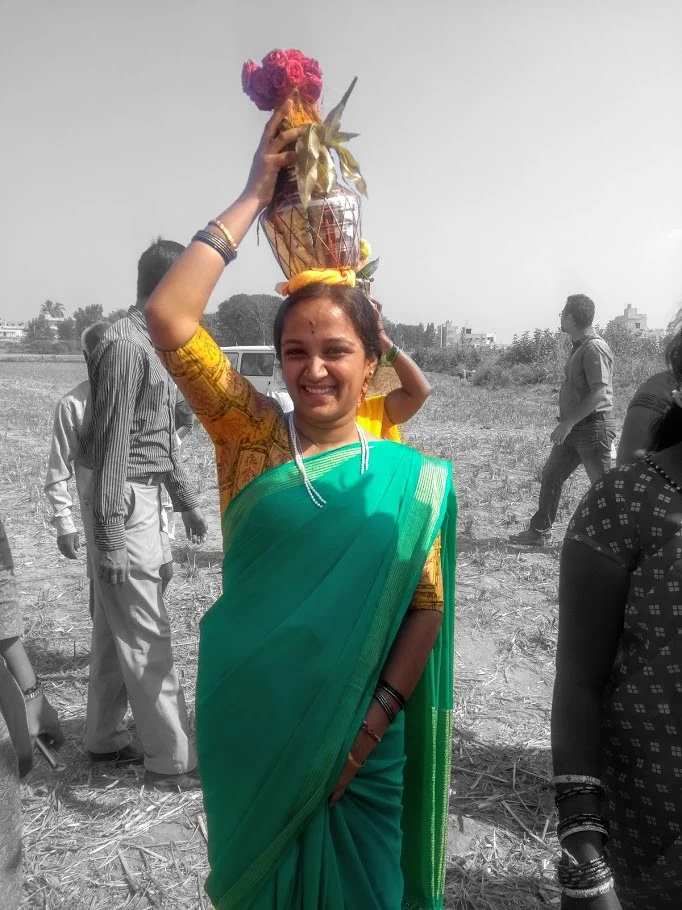
At the heart of the Karaga is a water pot. The term karaga refers to the sacred pot itself, and also to the priest who carries it. The pot is not merely ceremonial. It holds the primal power of the Goddess, and legend says it once contained water drawn from seven kalyaanis and kuntes across the city.
To carry the karaga is to carry the city's oldest memory. The festival is an eleven-day pilgrimage through water. Each day, the Gange Puje, a ritual worship of water as the sacred river Ganga, is performed at a different lake, well, or kunte across Bengaluru. The procession does not move through abstract sacred space. It moves through the city's actual water geography, touching the places where communities once drew their water, grew their food, and shaped their lives.
Day 1: A flag pole is raised and housed at the Dharamrayana Gudi. Day 2: Gange Puje at Hasi Karagada Kunte or Koti Bavi near sports academy in Cubbon Park. Day 3: Gange Puje at the current BMTC depot near Shantinagar was once home to Ammachammana Bavi and surrounded by fields that was owned by members of the community grew vegetables. Day 4: Gange Puje originally at Siddapura near Lalbagh was also filled with agricultural lands and wells to irrigate it, now moved to well in a private house in the Mavali area Day 5: Gange Puje procession moves to Gavipuram, where a family has preserved a kalyaani within the grounds of their kalyana mantapa. Day 6: Gange Puje at Majestic Majestic, where the Dodda Annamma Temple once held two or three ponds for the ritual. Today a cement tank with a tap stands in their place. Day 7: Gange Puje at Hasi Karagada Kunte, Sampangirama Nagar actually happens at around 3 am in the morning. Day 8: Gange Puje at Kalasipalya carries the procession to Kalasipalya, to a mutt with a well shaded by a sampige tree, where Puje is performed in the cool of the courtyard. Day 9: Gange Puje is back again at the Hasi Karaga Kunte for the third time in the morning. In the evening is the main Huvina Karaga procession. So Gange Puje is very special that day. Day 10: Final ‘Karaga’ and Huvina Karaga procession begins, the most sacred moment of the festival, the priest carrying the flower-adorned pot through the sleeping city in the hours before dawn. Day 11: The flag raised on the first day is quietly lowered. The festival is over. The city exhales.
What the Karaga traces, day by day and well by well, is a map of Bengaluru's water memory. Some of these places still hold water. Others hold only the ritual. But the procession continues, because the people who carry it understand something the city is slowly relearning. Water is not infrastructure. It is culture. It is identity. It is the reason the city exists at all.
Socio Cultural Life
Water and its Culture
KARAGA FESTIVAL There is a festival in Bengaluru that does not belong to a temple alone. It belongs to the lakes, the wells, the kuntes, and the rain. It is called the Karaga, and for eleven days every March or April, it reminds the city what it was built upon.
The Karaga Shakti Utsava is one of the oldest annual civic festivals of Bengaluru, celebrated in the historic Pete, the old town, and its surrounding areas. It is observed by the Vahnikula Kshatriyas, a warrior clan within the Tigala community, a group historically known as gardeners, horticulturists, and lake settlers. These were people whose lives were shaped by water and soil, and their festival reflects exactly that.
At the heart of the Karaga is a water pot. The term karaga refers to the sacred pot itself, and also to the priest who carries it. The pot is not merely ceremonial. It holds the primal power of the Goddess, and legend says it once contained water drawn from seven kalyaanis and kuntes across the city.
To carry the karaga is to carry the city's oldest memory. The festival is an eleven-day pilgrimage through water. Each day, the Gange Puje, a ritual worship of water as the sacred river Ganga, is performed at a different lake, well, or kunte across Bengaluru. The procession does not move through abstract sacred space. It moves through the city's actual water geography, touching the places where communities once drew their water, grew their food, and shaped their lives.
Day 1: A flag pole is raised and housed at the Dharamrayana Gudi. Day 2: Gange Puje at Hasi Karagada Kunte or Koti Bavi near sports academy in Cubbon Park. Day 3: Gange Puje at the current BMTC depot near Shantinagar was once home to Ammachammana Bavi and surrounded by fields that was owned by members of the community grew vegetables. Day 4: Gange Puje originally at Siddapura near Lalbagh was also filled with agricultural lands and wells to irrigate it, now moved to well in a private house in the Mavali area Day 5: Gange Puje procession moves to Gavipuram, where a family has preserved a kalyaani within the grounds of their kalyana mantapa. Day 6: Gange Puje at Majestic Majestic, where the Dodda Annamma Temple once held two or three ponds for the ritual. Today a cement tank with a tap stands in their place. Day 7: Gange Puje at Hasi Karagada Kunte, Sampangirama Nagar actually happens at around 3 am in the morning. Day 8: Gange Puje at Kalasipalya carries the procession to Kalasipalya, to a mutt with a well shaded by a sampige tree, where Puje is performed in the cool of the courtyard. Day 9: Gange Puje is back again at the Hasi Karaga Kunte for the third time in the morning. In the evening is the main Huvina Karaga procession. So Gange Puje is very special that day. Day 10: Final ‘Karaga’ and Huvina Karaga procession begins, the most sacred moment of the festival, the priest carrying the flower-adorned pot through the sleeping city in the hours before dawn. Day 11: The flag raised on the first day is quietly lowered. The festival is over. The city exhales.
What the Karaga traces, day by day and well by well, is a map of Bengaluru's water memory. Some of these places still hold water. Others hold only the ritual. But the procession continues, because the people who carry it understand something the city is slowly relearning. Water is not infrastructure. It is culture. It is identity. It is the reason the city exists at all.

Invention Life
Water for Every Thirsty Soul
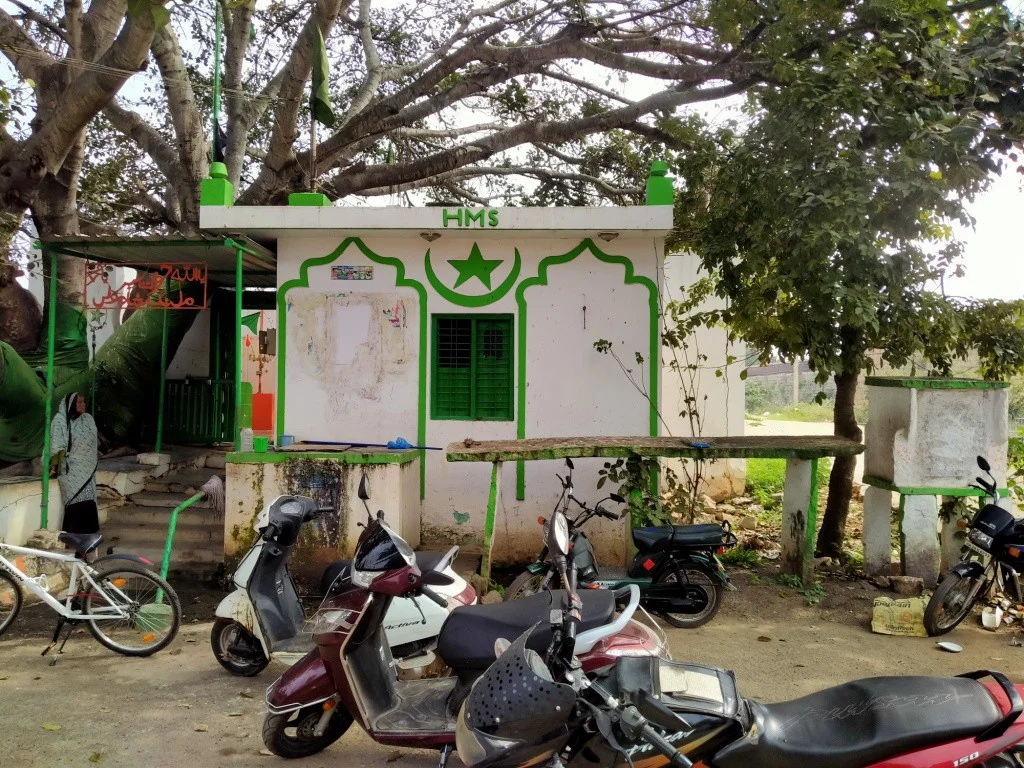
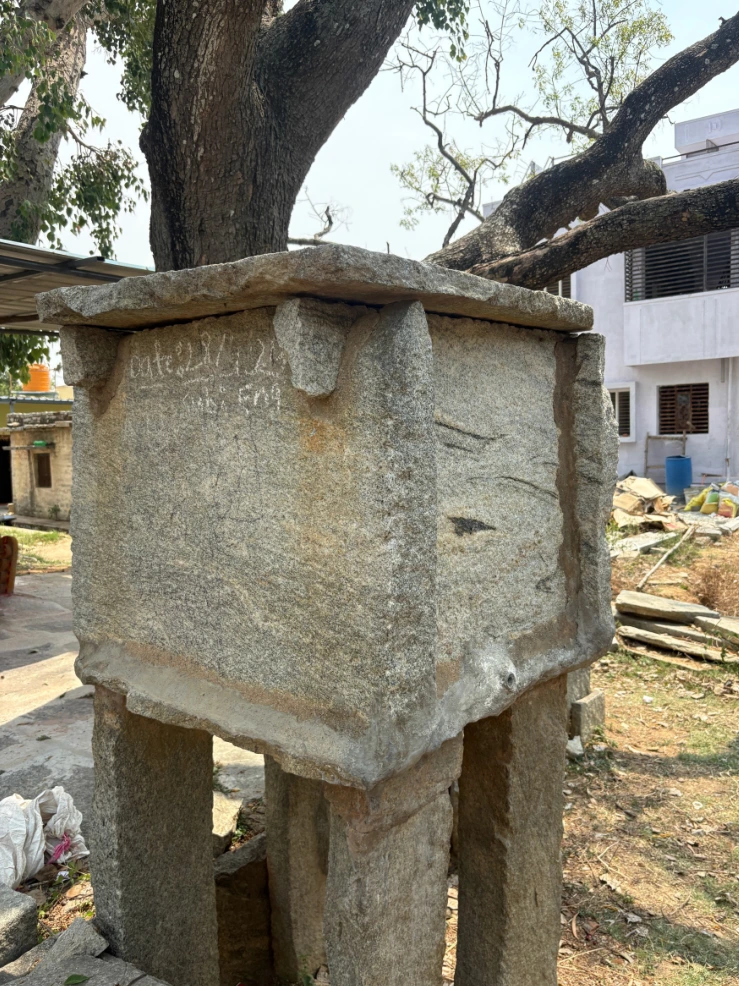
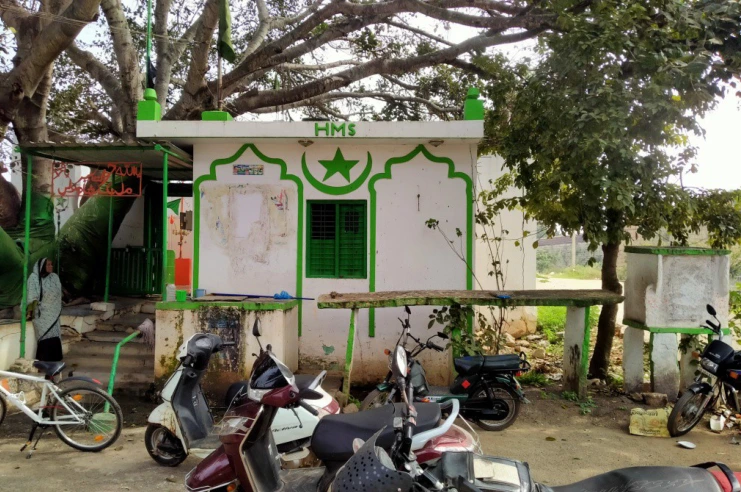
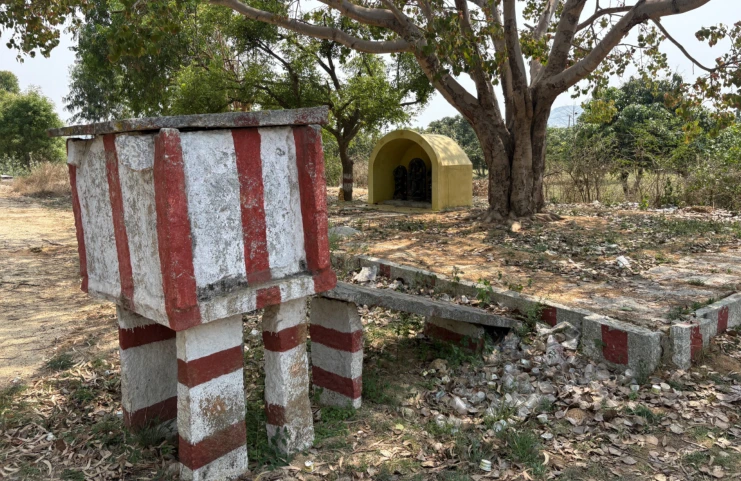
THE SILENDRA Long before the city had taps, it had silenras. These tub-like stone structures stood at bus stops, beside ashwath kates, outside temples and masjids, and along roadsides where travellers paused to rest. They were built by the wealthy and the ordinary alike, driven by a shared understanding: a thirsty person should never be turned away.
Pilgrimage was a central part of life. People walked for days, even weeks, to reach distant holy places, believing that the journey on foot carried its own blessing. Rest houses along the routes offered food and shelter. But thirst came suddenly, and carrying water over long distances was a burden few could manage.
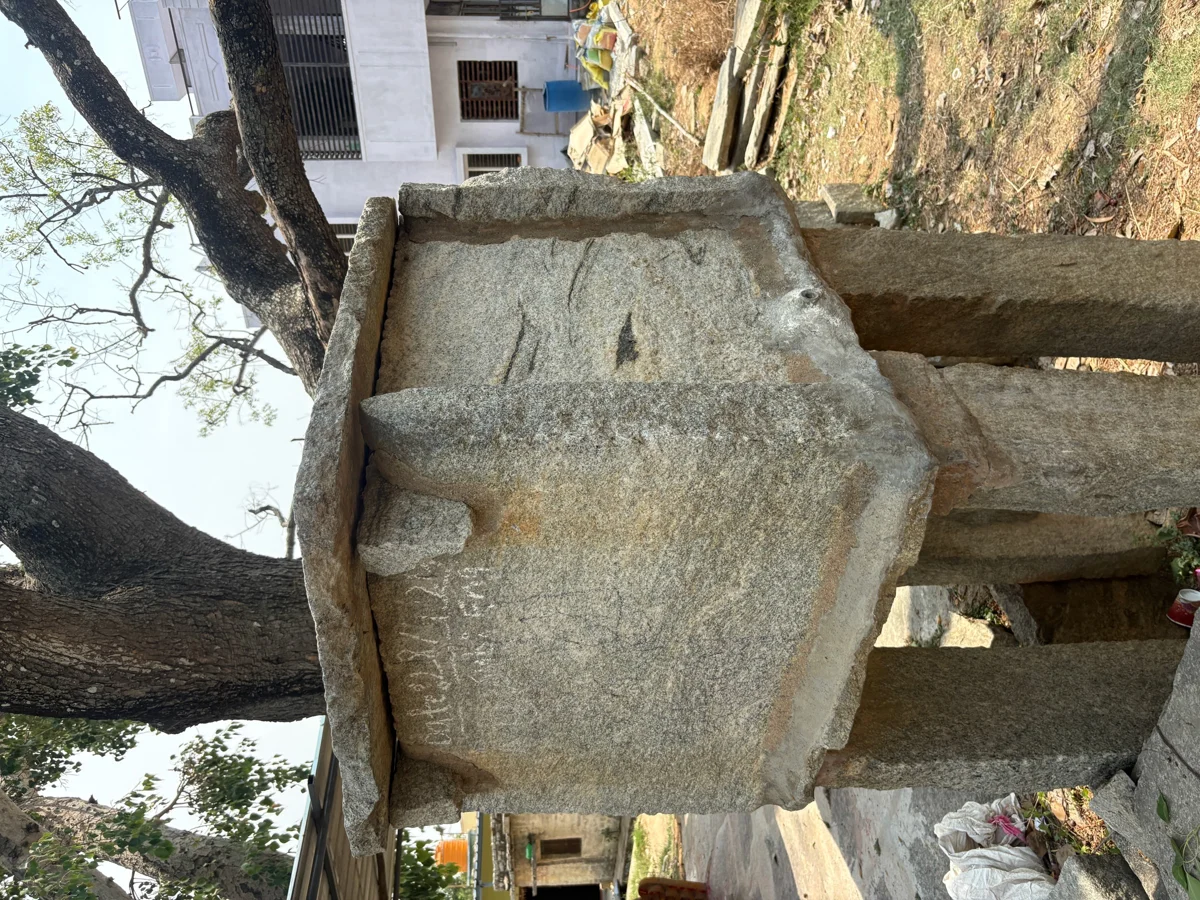
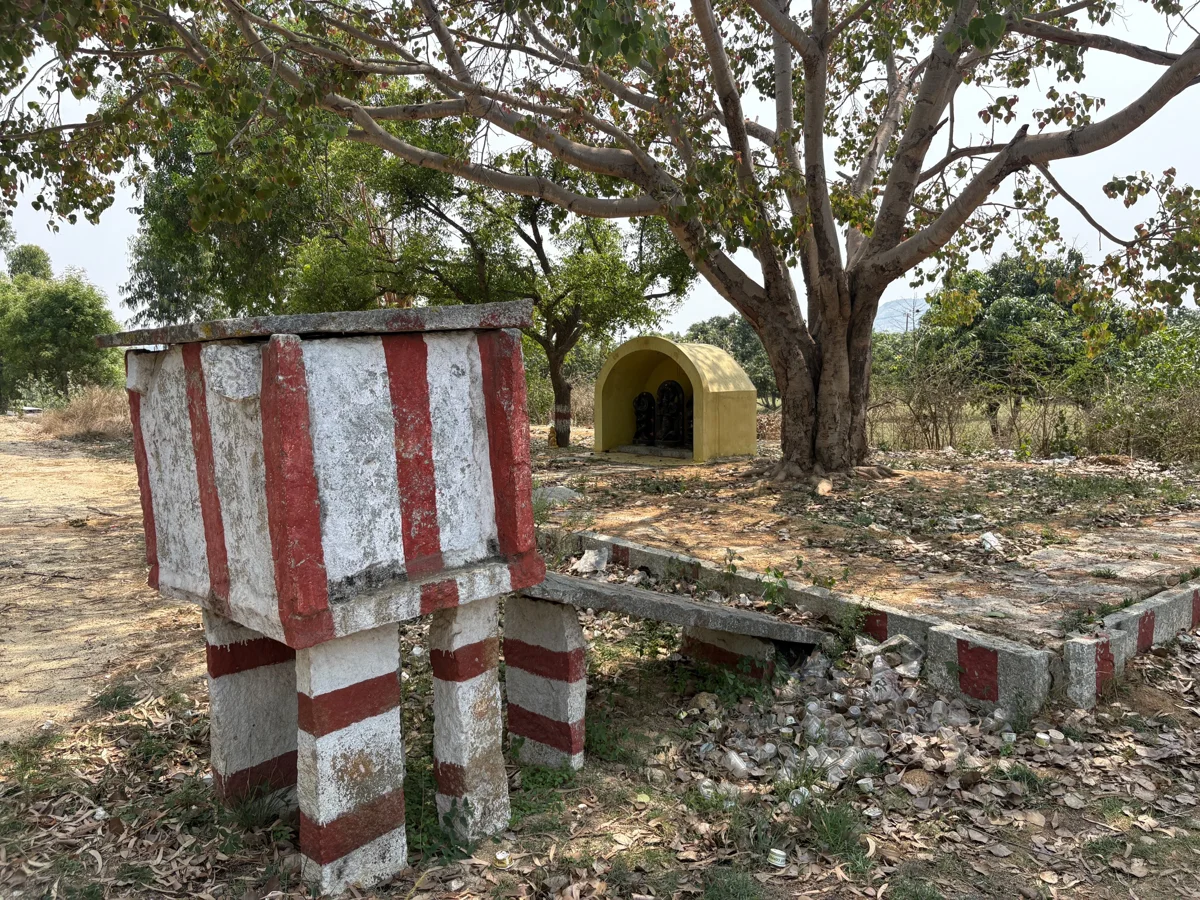
The silendra was the answer. The structure was practical and considered. Four flat stone slabs were mounted on a base to form a sealed box. A circular opening on the top allowed the silendra to be filled easily, while the stone cover kept dust and leaves out, preserving the water inside. A small hole on one side served as a tap. A thick wooden stick plugged it shut when not in use. When someone was thirsty, they pulled the stick out and the water flowed.
Silenras meant for public use were raised on four stone pillars, set at a height convenient for drinking directly from the opening. During summer months and festival seasons, when crowds gathered and the heat pressed down, silenras became community gathering points. Along with water, ganjji, a thin rice/ragi gruel, and panakam, a cooling drink of jaggery and spices, were served at these very spots. The silendra was not just a container. It was an act of hospitality, built in stone and left for strangers.
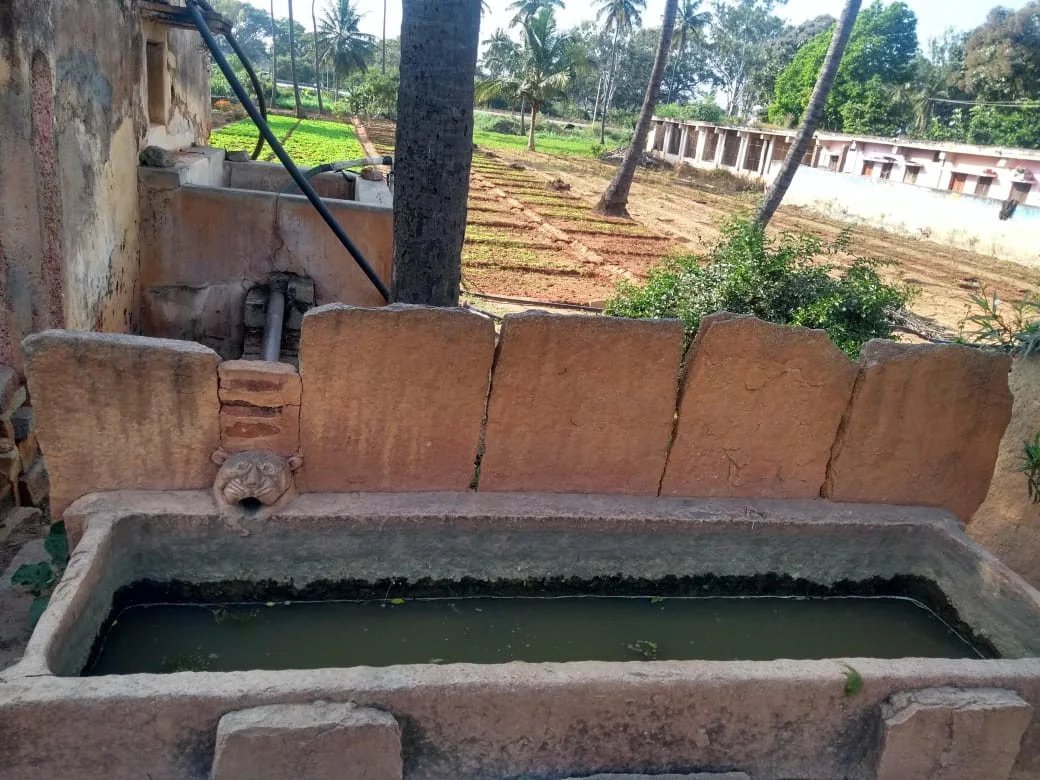
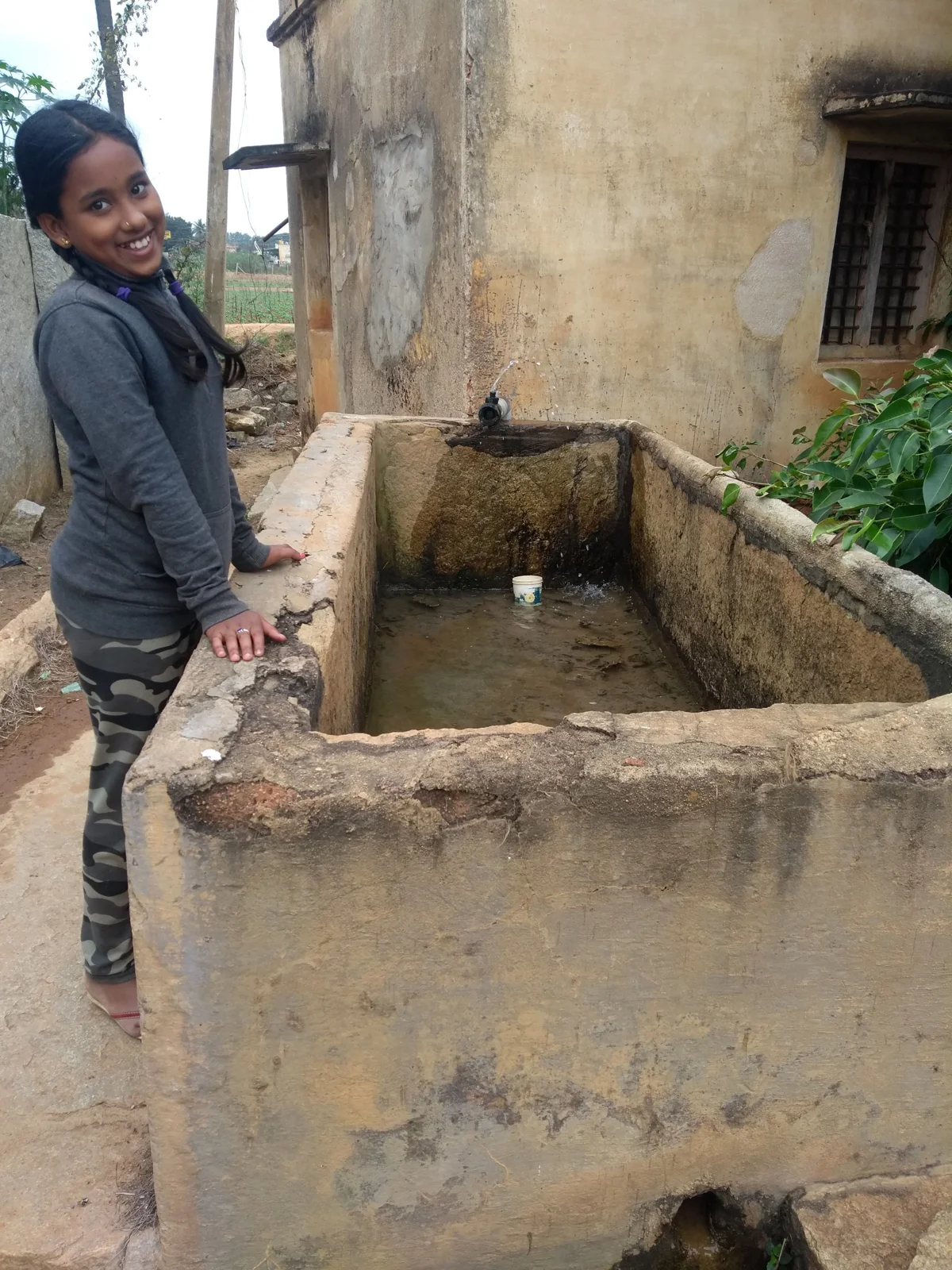
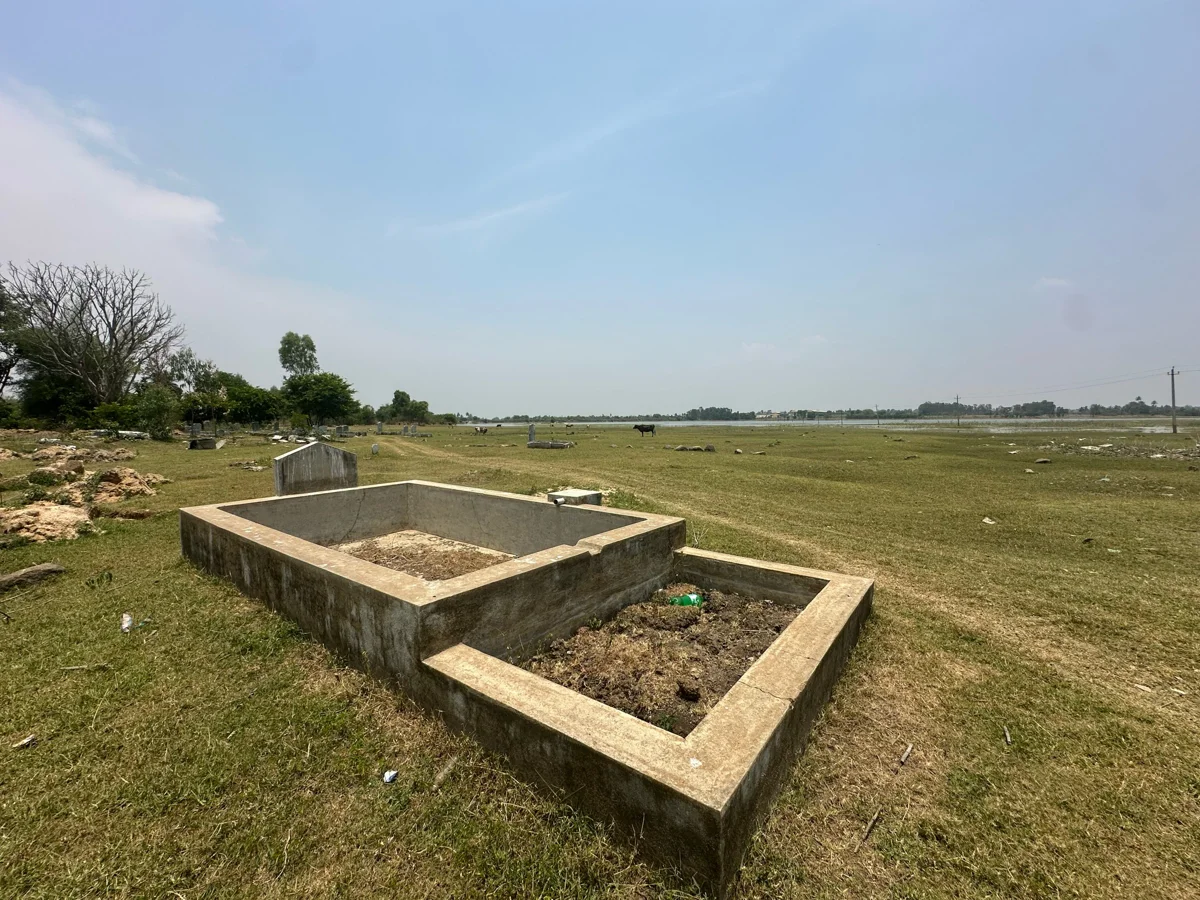
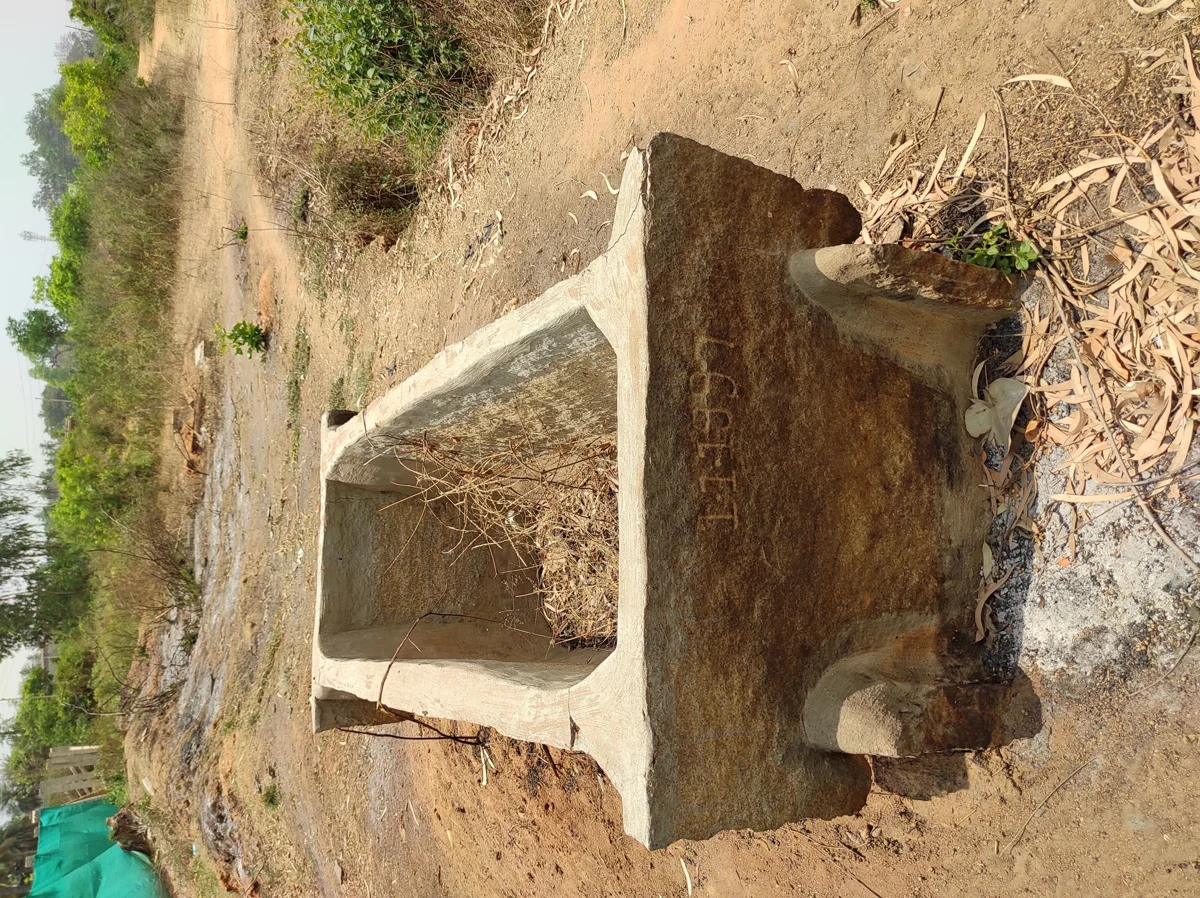
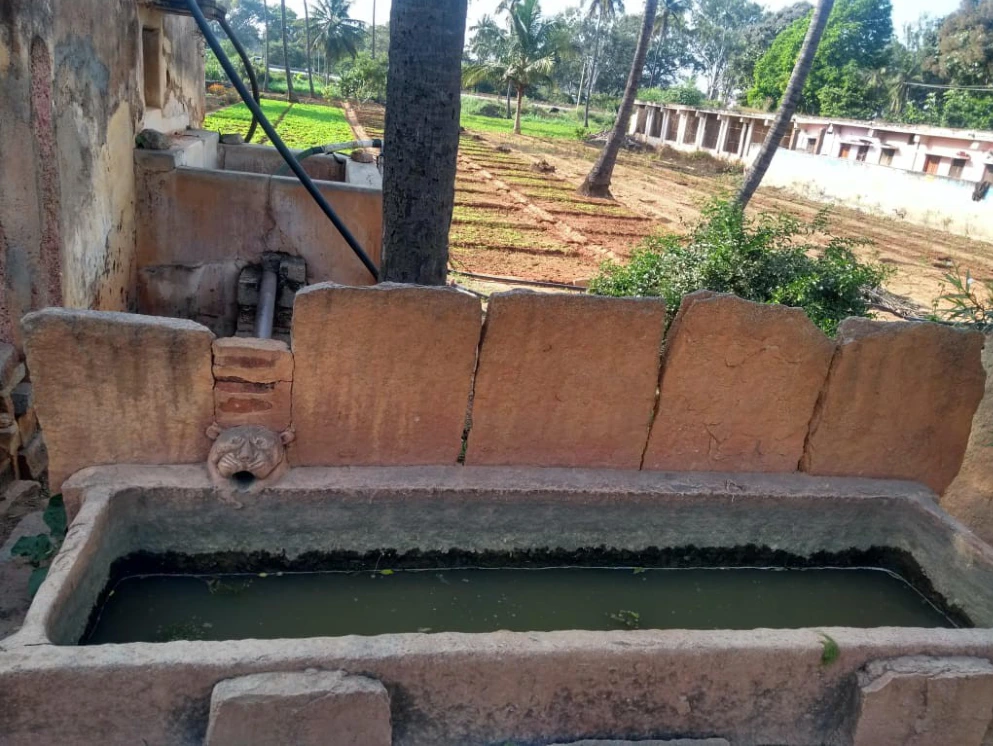
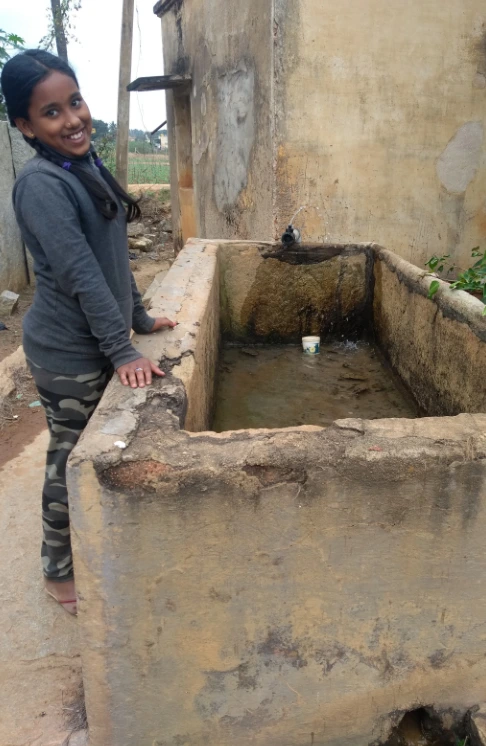
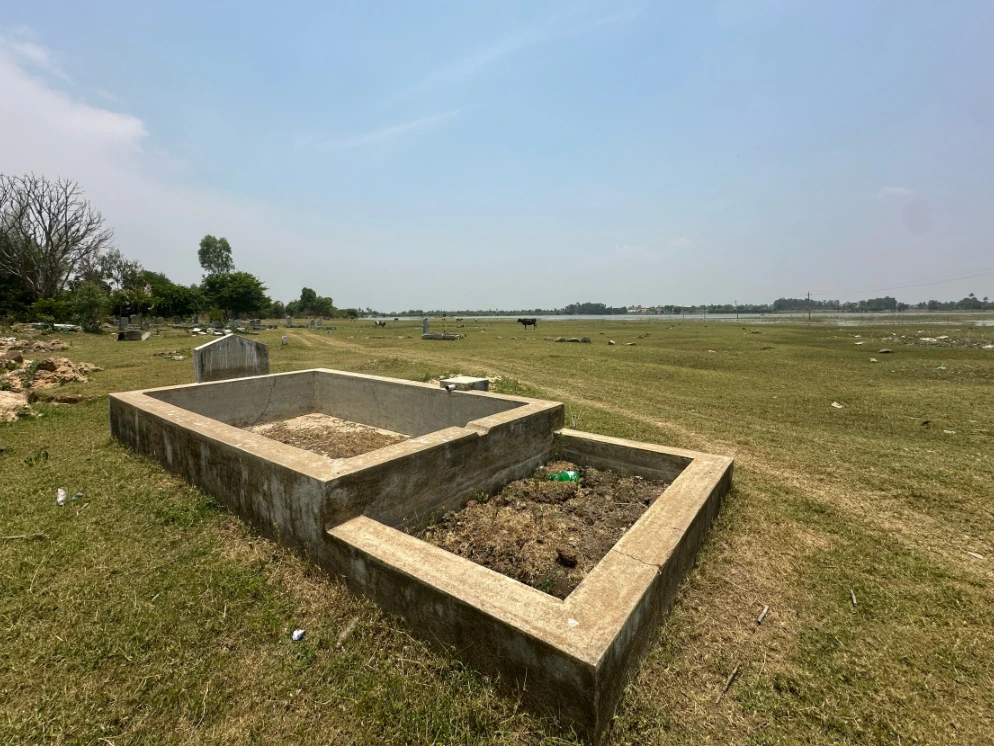
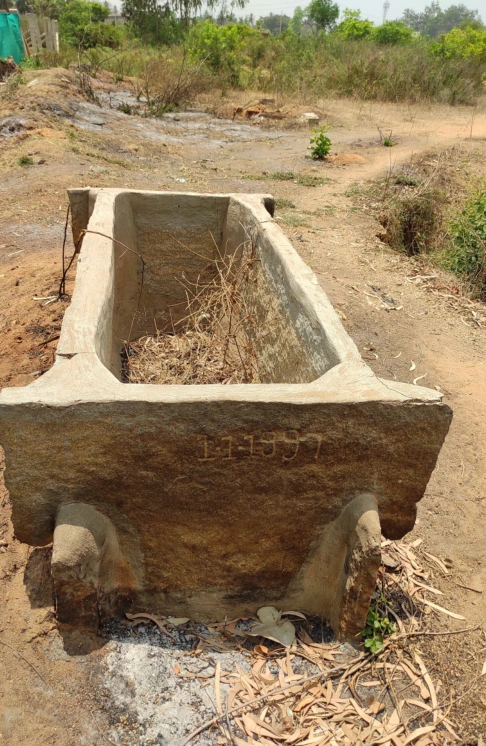
THE THOTTI Where the silendra stood on the road, the thotti, or trough, lived closer to home. These were wide, open stone containers, usually four flat slabs sealed at the edges with concrete and left open at the top. They sat beside wells, in front of houses, in backyards, and at the edges of fields. They were filled from the well and then put to work.
A thotti beside an agricultural field was used to wash the harvest, rinsing the yield of the land before it was stored or sold. A thotti near a home held water drawn for daily domestic use, keeping it accessible through the day without repeated trips to the well. A thotti placed lower and wider served the cattle, offering animals a place to drink after a long day in the field.
Three kinds of thotti, three kinds of care. For the crop, for the household, for the animal. Each one positioned where it was needed most, each one shaped by the particular task it was built to serve. Together, the silendra and the thotti reveal something about how this city once thought about water. Access was not left to chance or to the ability to pay. It was designed into the landscape, built in stone, and placed where thirst would find it.
Invention Life
Water for Every Thirsty Soul
THE SILENDRA Long before the city had taps, it had silenras. These tub-like stone structures stood at bus stops, beside ashwath kates, outside temples and masjids, and along roadsides where travellers paused to rest. They were built by the wealthy and the ordinary alike, driven by a shared understanding: a thirsty person should never be turned away.
Pilgrimage was a central part of life. People walked for days, even weeks, to reach distant holy places, believing that the journey on foot carried its own blessing. Rest houses along the routes offered food and shelter. But thirst came suddenly, and carrying water over long distances was a burden few could manage.
The silendra was the answer. The structure was practical and considered. Four flat stone slabs were mounted on a base to form a sealed box. A circular opening on the top allowed the silendra to be filled easily, while the stone cover kept dust and leaves out, preserving the water inside. A small hole on one side served as a tap. A thick wooden stick plugged it shut when not in use. When someone was thirsty, they pulled the stick out and the water flowed.
Silenras meant for public use were raised on four stone pillars, set at a height convenient for drinking directly from the opening. During summer months and festival seasons, when crowds gathered and the heat pressed down, silenras became community gathering points. Along with water, ganjji, a thin rice/ragi gruel, and panakam, a cooling drink of jaggery and spices, were served at these very spots. The silendra was not just a container. It was an act of hospitality, built in stone and left for strangers.
THE THOTTI Where the silendra stood on the road, the thotti, or trough, lived closer to home. These were wide, open stone containers, usually four flat slabs sealed at the edges with concrete and left open at the top. They sat beside wells, in front of houses, in backyards, and at the edges of fields. They were filled from the well and then put to work.
A thotti beside an agricultural field was used to wash the harvest, rinsing the yield of the land before it was stored or sold. A thotti near a home held water drawn for daily domestic use, keeping it accessible through the day without repeated trips to the well. A thotti placed lower and wider served the cattle, offering animals a place to drink after a long day in the field.
Three kinds of thotti, three kinds of care. For the crop, for the household, for the animal. Each one positioned where it was needed most, each one shaped by the particular task it was built to serve. Together, the silendra and the thotti reveal something about how this city once thought about water. Access was not left to chance or to the ability to pay. It was designed into the landscape, built in stone, and placed where thirst would find it.