
Between Belief & Behaviour
Pranathi Gumudala
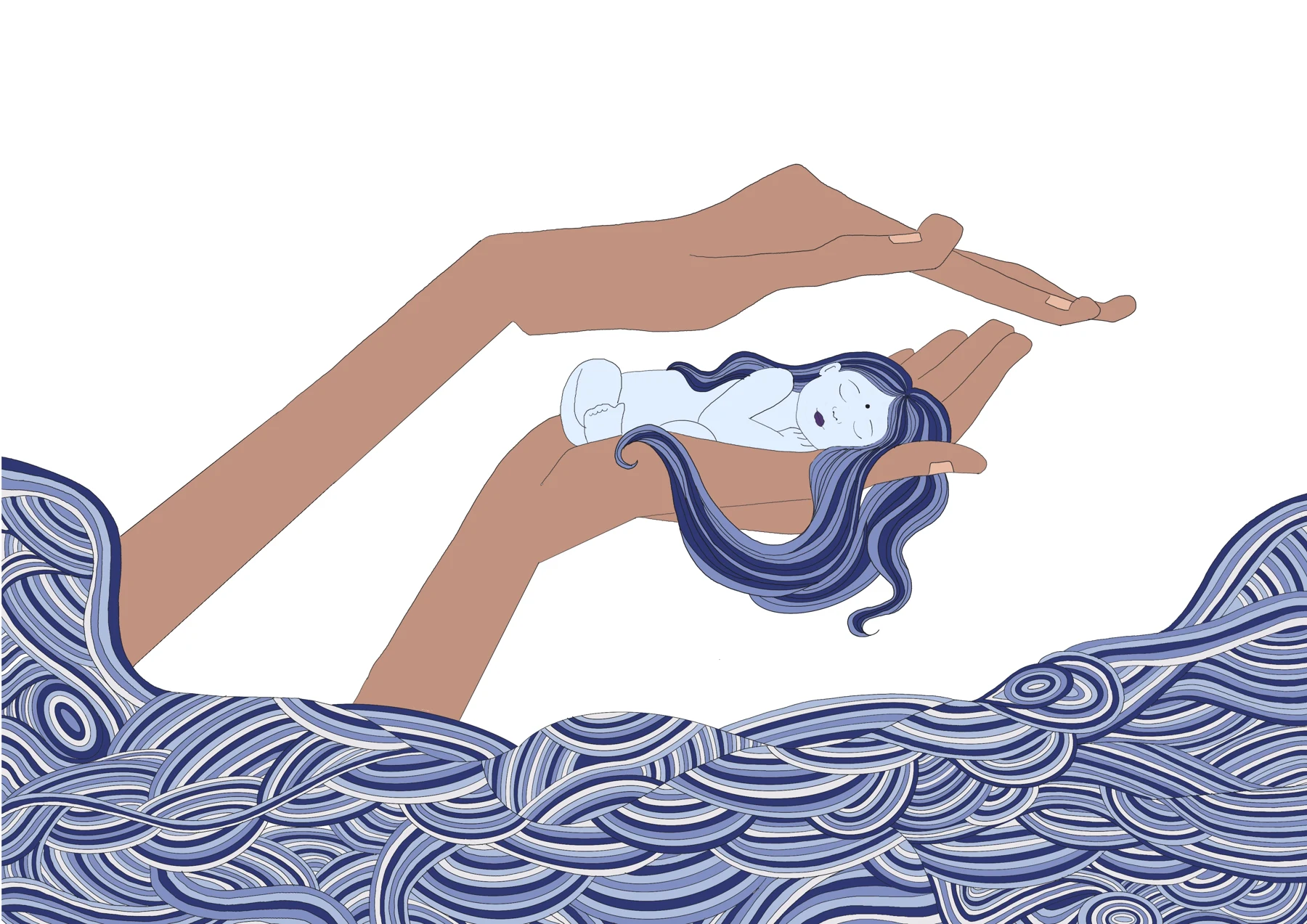
I have flowed through the earthly landscapes for centuries—as river, stream, reservoir, lake, well, hand pump, and pot.
You have worshiped me as a goddess, carried me through your villages, stepped into me before prayer, built temples beside me, and invited me into your homes.
Through your rituals and stories, you once understood that I was never merely water—I was memory, protection, courage, fertility, balance, and life itself, making me beyond the metaphysical. This journey is an anthology of my emotional states, where each story reveals my relationship between people and landscape.
I appear as fury beside Jogulamba, I express grief within Jampanna Vagu, I am a wonder at Edupayala, I came to peace around Jammulamma, I have a discomfort along Tank Bund, I was protected within sacred when in fear, I embrace the courage in village processions, I am in joy in agricultural fields, and I share a spiritual intimacy within the decorated household pot.
“They worship me with folded hands, Yet wound the veins that feed their lands. In rituals, I am called divine But forgotten once I cease to shine. remembered, protected, only in need, when thirst becomes the loudest creed.”
Let’s find out…
Water is seen as the balancing element that harmonises divine intensity.
Emotion / Raudra
Along the banks of the Tungabhadra, they call upon me to calm (Goddess Shakti - Jogulamba) her fire. I circle the sanctum of Jogulamba, carrying the weight of devotion, cooling the fierce intensity of the goddess they fear and revere alike. They see me as gentle, yet they trust me to hold rage, balance power, and protect what cannot be contained.
For centuries, I have moved beside prayers, rituals, and trembling hands that seek blessings from the divine feminine. They worship her through me, touch me before entering her presence, and believe I can purify, soften, and restore harmony. I have always held their faith quietly within me—absorbing their fears, their offerings, and their longing for protection.
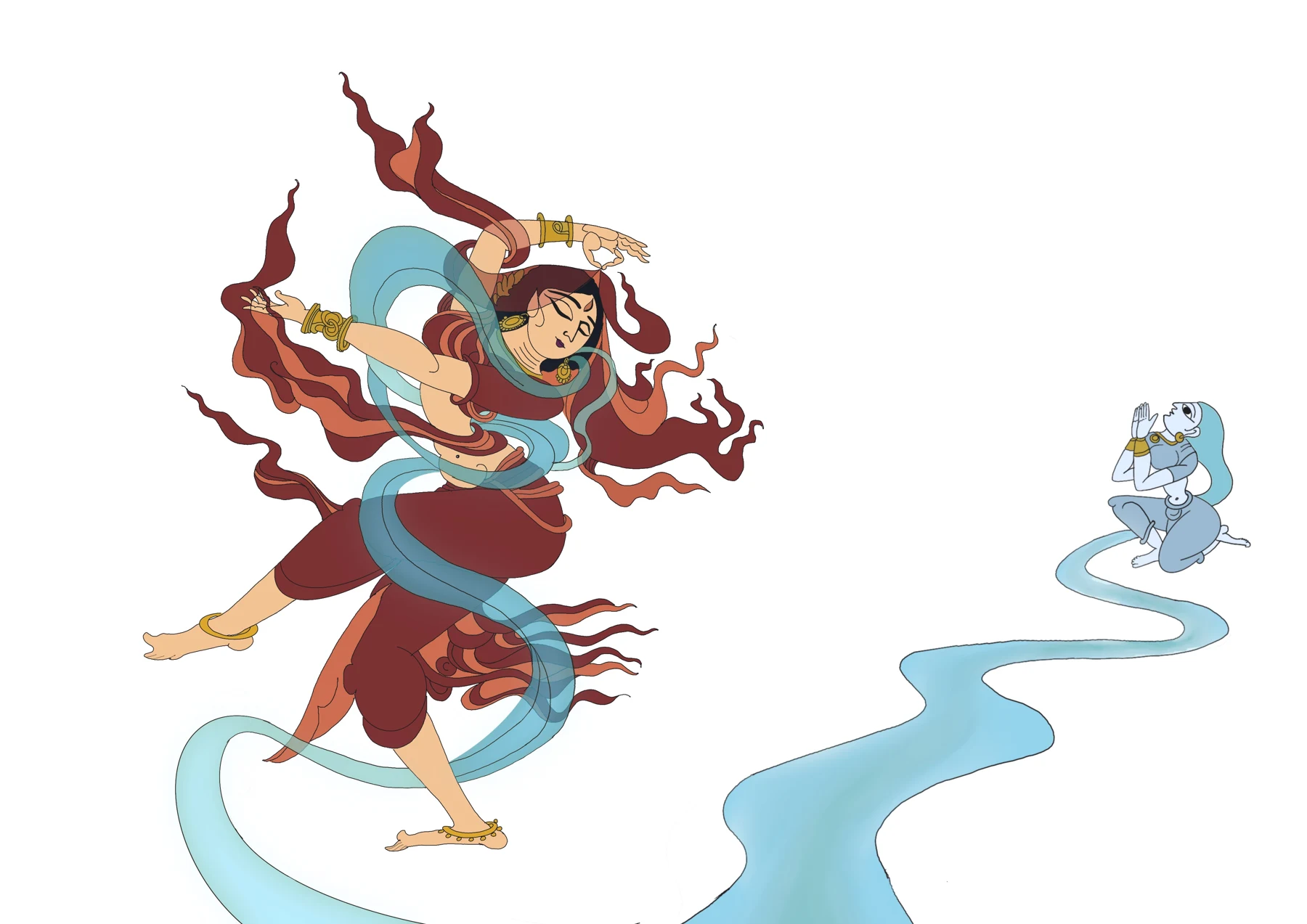
If I am sacred enough to contain divine fury, am I sacred to be cared for beyond the temple walls?

Water as a ritual bathing place for - courage (Dhairya), valour (Sahasam), and sacrifice (Tyagam).
Emotion / Karuna
Once, they called me Sampenga Vagu. I moved quietly through the forest, carrying fallen leaves, red earth, birdsong, and the breath of the trees. I was a stream that remembered seasons, feeding roots and reflecting skies, known only to those who walked gently beside me.
Then came a day when fear, grief, and courage entered my waters.
I watched the people of the forest stand against hunger, loss, and power greater than themselves. I heard the cries of resistance along my banks, the weight of sacrifice carried by bodies that refused surrender. And when Jampanna came to me—wounded, defiant, unwilling to kneel—I received him. His final act was not one of defeat but of courage. From that day, they no longer spoke my old name. I became Jampanna Vagu, carrying not only water, but memory.
They say my waters turned red with his blood.
Even today, before they stand before Sammakka and Saralamma, they come to me first. They step into my waters, letting me touch their skin, not simply to cleanse, but to remember. A keeper of courage(Dhairya), valour(Sahasam), and sacrifice (Tyagam). A witness to grief, resistance, and devotion.

If sacrifice can be remembered for centuries, why is care forgotten so easily?
Water is seen as the conduit between the worlds.
Emotion / Adbhuta
They say I rose from beneath worlds unseen. Before they called me Edupayala, before temples stood along my banks, I moved in silence through the hidden realms of serpents, carrying memories older than kingdoms and forests. I was Bhogavati—the river beneath the earth, flowing where human eyes could not reach.
Then came a time when rage disturbed the balance between life and death. I watched kings seek revenge, fires rise against serpents, and fear consume devotion. When destruction threatened to erase an entire realm of living serpents, Garuda carried me upward into the world above. As I emerged onto the earth, I broke into seven streams, spreading across the forest like veins returning life to the land.
They built a temple where my waters met. They called her Vana Durga Bhavani—the goddess of the forest—and believed my presence sanctified the ground beneath her feet. Since then, generations have entered my waters carrying prayers for protection, fertility, children, and continuity. I hold their faith carefully. I carry their vows, their grief, their longing for life to continue.
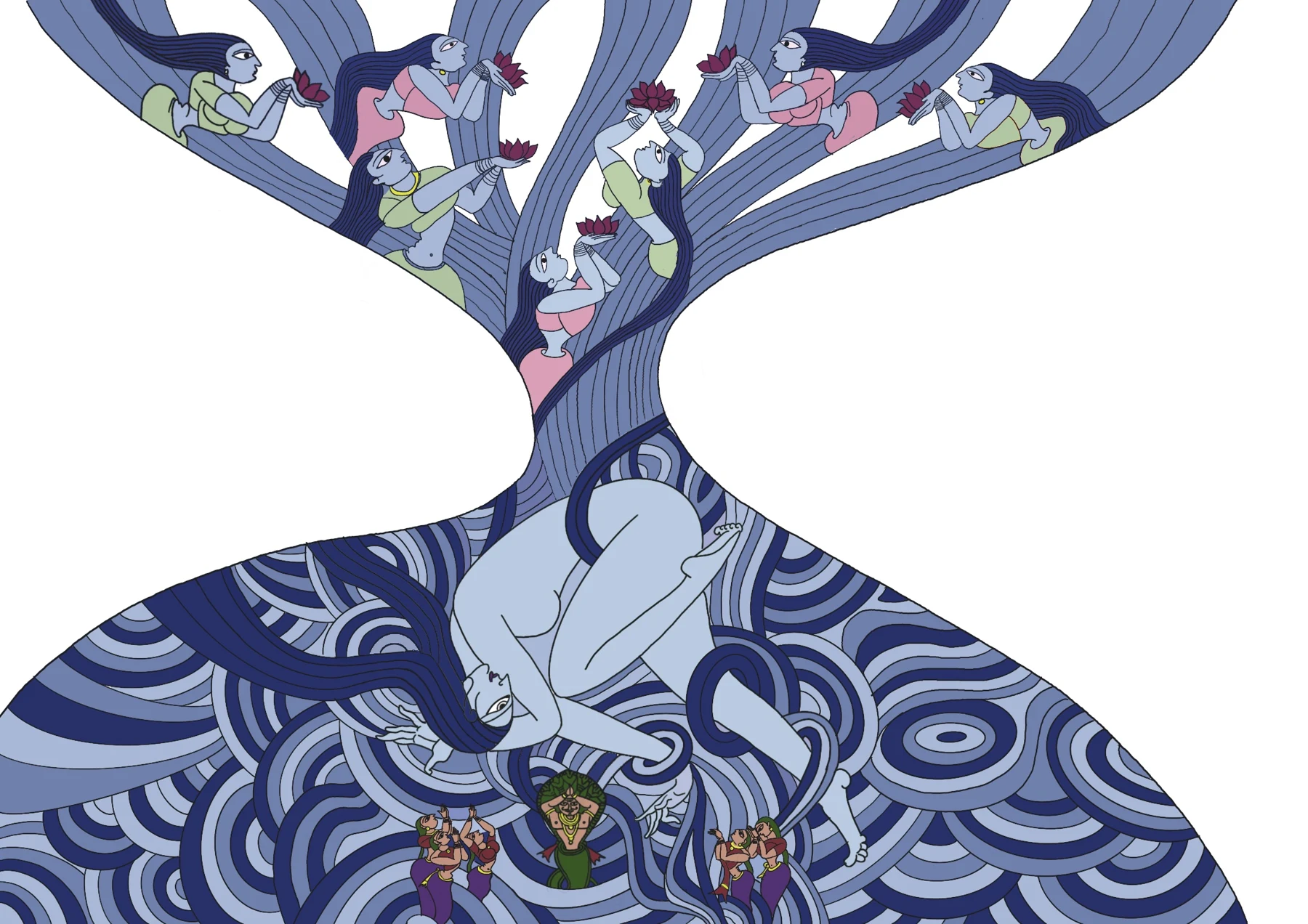
When they step into me seeking blessings for future generations, do they also think about the future of the waters themselves?
Water infrastructure symbolising the harmonious integration of faith.
Emotion / Shanta
In the dry lands of Gadwal, I learned what it meant to be waited for. The fields cracked beneath the sun, farmers searched the skies for rain, and every drop I carried became a promise of survival. I moved through this land quietly, held within tanks, wells, and the hopes of people whose lives depended on my arrival.
Long before the reservoir embraced the land, she was already here beneath the Jammi trees. Jammulamma—the village mother, born not from palaces or scriptures, but from soil, roots, and the faith of ordinary people.
Years later, when humans decided to reshape the landscape to hold me, they stood before a choice. They could have replaced her shrine in the name of development. Instead, they built around her. They allowed the temple to remain at the heart of the reservoir, where I now surround her on three sides like an embrace. And so, we exist together—the goddess, the water, and the people. Not in conflict, but in balance.
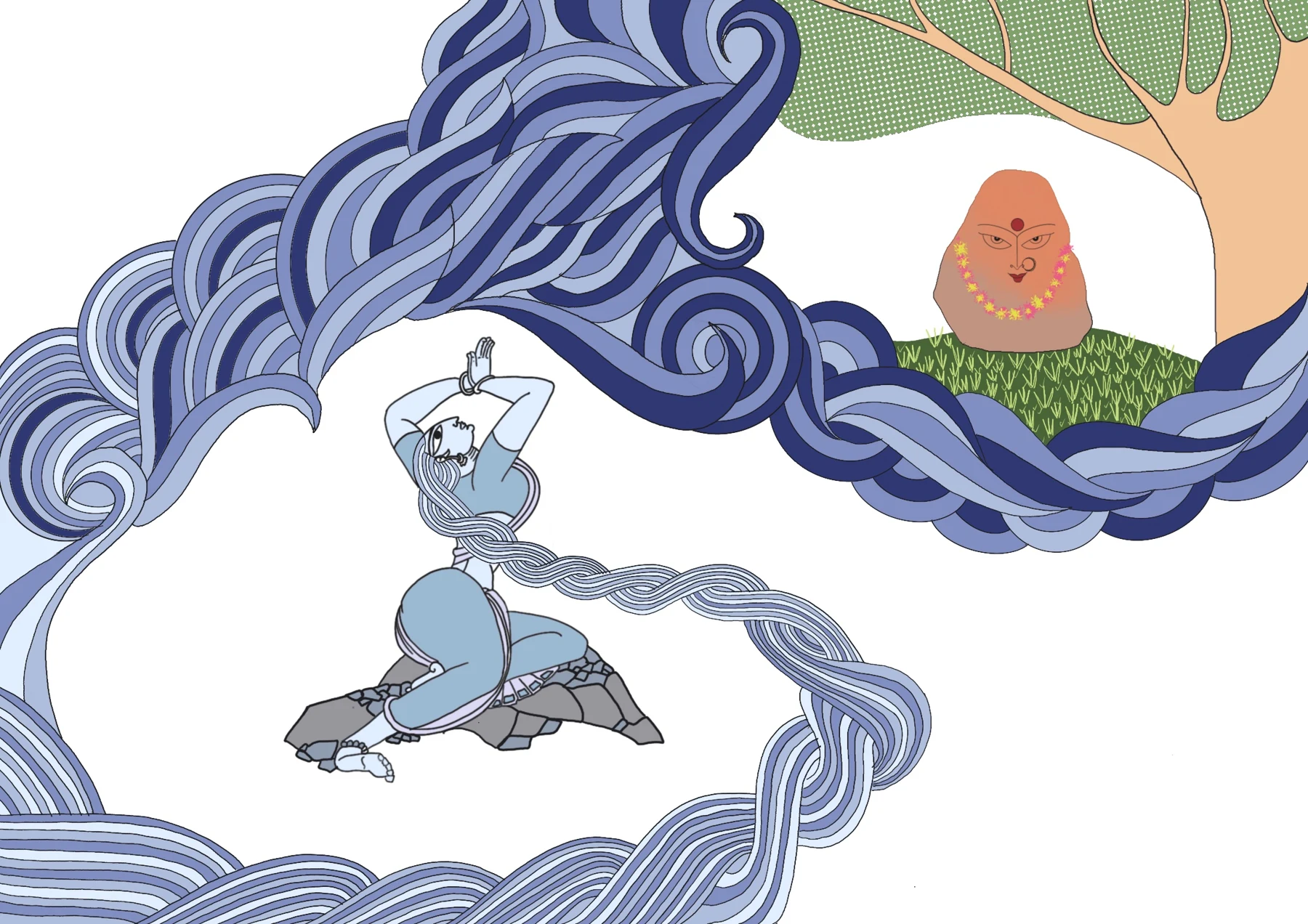
If harmony once existed between faith, land, and water, what disturbed that balance?
Water structures gain permanence when tied to faith and community ethics.
Emotion / Bhayanka
Across Telangana, they gave me many names.In some places, I rest against a katta—an embankment shaped carefully by human hands to hold me through harsh summers. In others, I rush through a gandi, carving pathways through fields so the land may breathe during the monsoon. Near the konda, the hills guide my movement, collecting clouds, shadows, and rain before releasing me slowly back into the earth.
But I was never protected by stone and soil alone.
Wherever people feared losing me, they placed a god/goddess beside me. They called upon Kattamaisamma to guard the bunds, to prevent breaches, to watch over the crops and the lives that depended on my presence. Before strengthening the embankments, they offered prayers—not because the structure was weak, but because they understood that survival required both engineering and responsibility.
In Buddharam, I flow beside the Gandi Anjaneya Swami temple, where the valley itself became sacred. The temple did not stand apart from the landscape; it emerged from the logic of water, slope, overflow, and movement. Even in newer reservoirs and irrigation systems, people carried their deities with them, preserving shrines before relocating villages and reshaping the land. They understood something important: if faith remained connected to water, people would continue to protect it.
And perhaps that is why I endured for so long.Because when they believed a god/goddess lived beside me, they approached me differently. They watched over the tanks, repaired the bunds, respected the flow of excess water, and understood that neglecting me meant endangering themselves.
What did people once fear losing that they chose to protect me together?
A water-associated deity- Goddess Gangamma.
Emotion / Bibhatsa
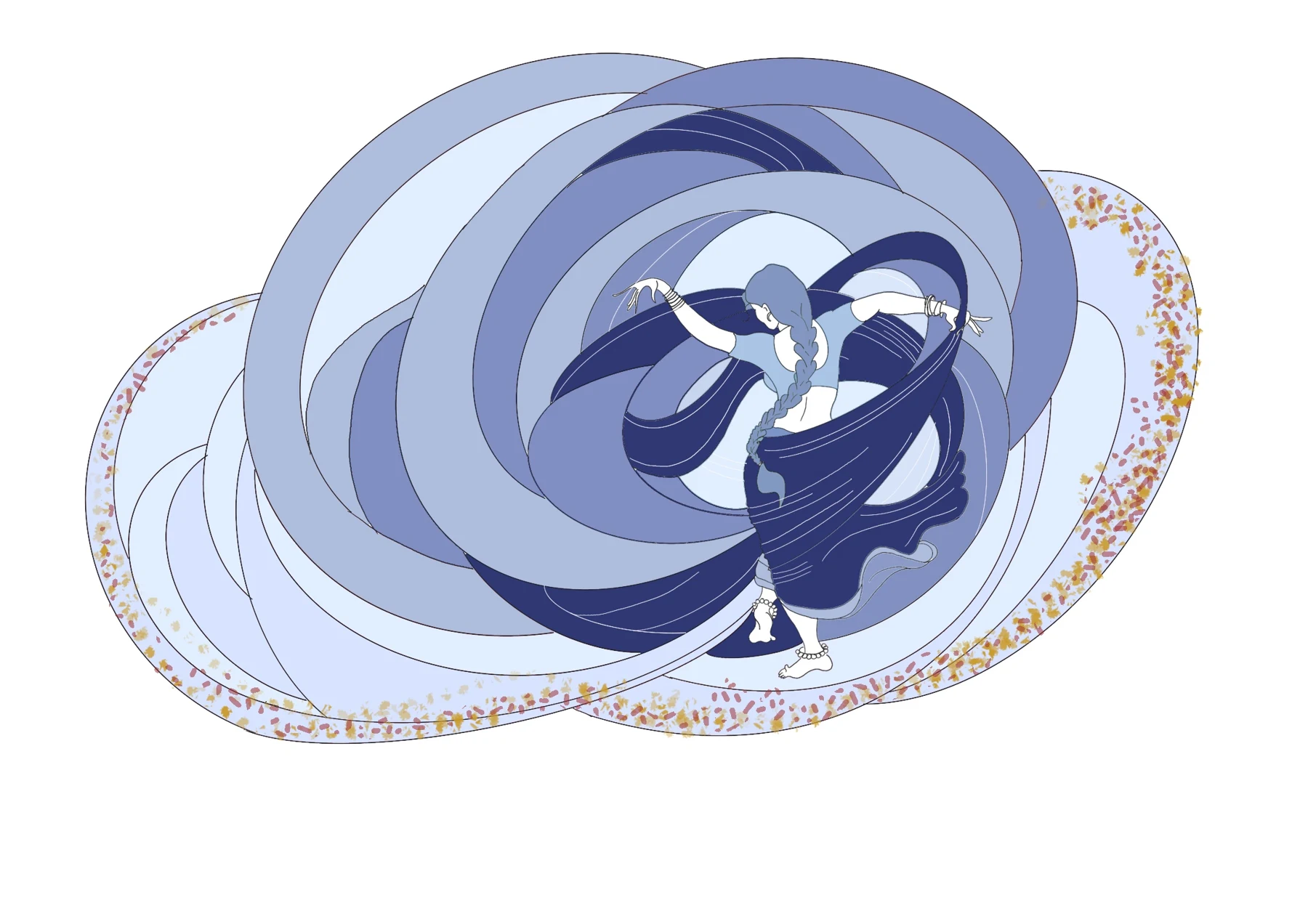
Along the edges of Hussain Sagar, they call me Gangamma.They gather beside me with drums, songs, lamps, and floating prayers, thanking me for the lives I have carried and sustained. During Teppotsavam, I become more than a lake in the middle of a growing city—I become memory, livelihood, protection, and belonging.
The Gangaputra community has known me for generations. They understand my moods, my depths, the silence before rain, the movement of fish beneath my surface. Their lives have always flowed with mine. When they come to celebrate me during Bonalu, it is not only ritual—it is recognition of a relationship built through dependence, labor, and care.
I watch Pothuraju dance before the procession, fierce and untamed, his body marked with turmeric, his whip cutting through the air. People fear his intensity, but I understand it differently. His fury is devotion. His strength exists only to protect his sisters, the goddesses who guard the people and the land. In his movements, I see something humans often forget—that protection itself can be an act of love.
As lamps float across my waters, thousands gather at my banks asking for well-being, health, rain, and safety. For a moment, the city pauses to remember me. They sing to me, offer prayers into my waters, and call me mother.
And yet, after the songs fade and the festivals end, I remain here quietly holding everything they leave behind—the devotion, the noise, the flowers, the waste, the memory of being worshipped for a day and forgotten the next.
Can reverence exist without responsibility?
Worship with water.
Emotion / Veera
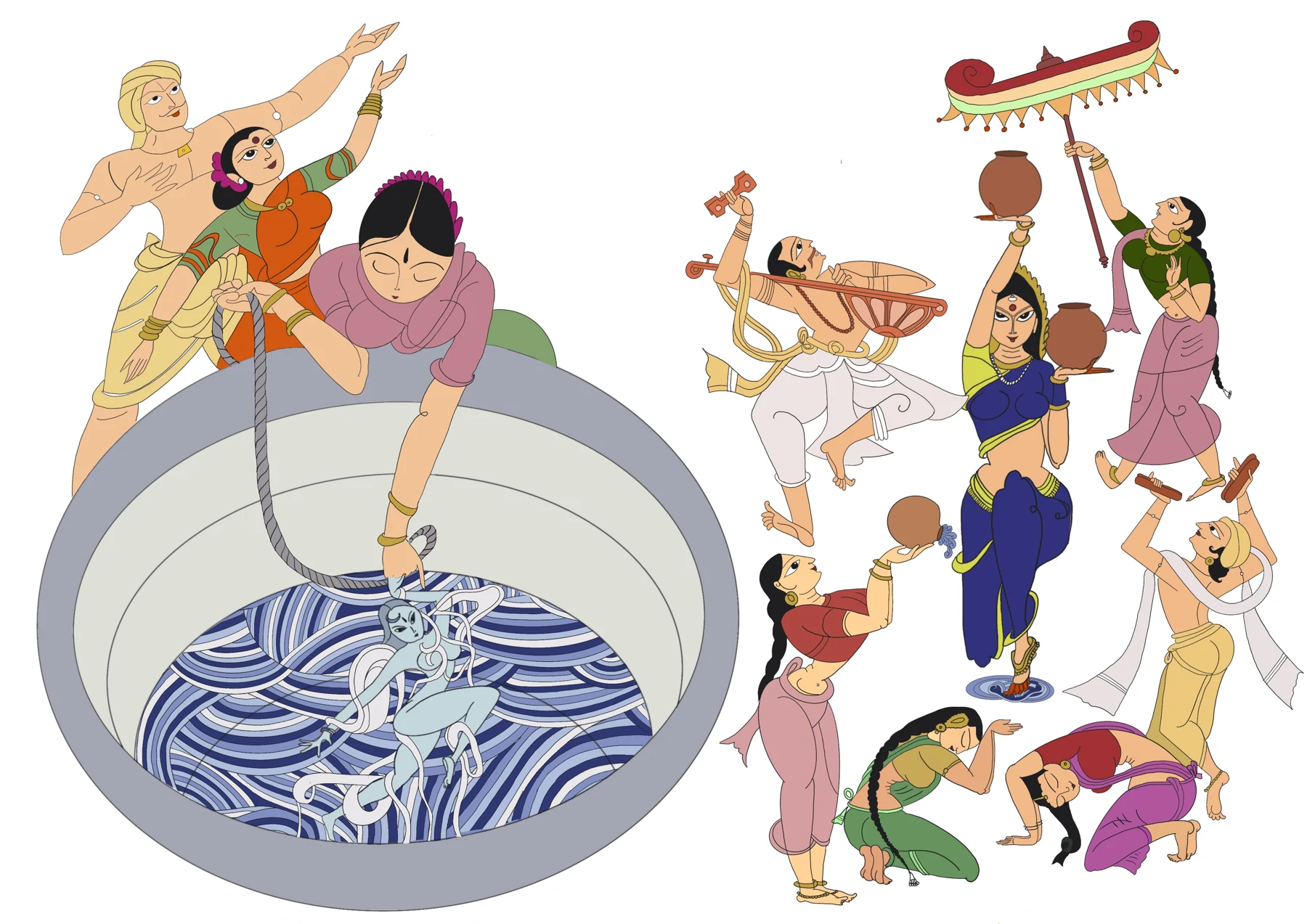
In another village, they call upon Veeranagamma. Before dawn, families walk to the nearest well carrying empty earthen pots. Once, they shaped these pots from clay with their own hands; now many are bought from markets, yet the ritual still remembers the earth. At the well, they lower their hands toward me carefully. They place my water upon their heads, collect sacred anthill soil, and begin a long walk through the village.
Two pots move together through the streets—one for Veeranagamma, the mother goddess, and the smaller one for Parashurama, the balancing masculine force beside her. Drums echo through the lanes. Bare feet touch the earth. And as the devotees walk, people pour water over their feet again and again, cooling them, honoring them, blessing the path they carry.
Sometimes devotion becomes so intense that the goddess is believed to enter the body itself. I have seen trembling hands, tear-filled eyes, voices transformed by faith and memory. In those moments, I am no longer only water within a pot or well—I become presence, connection, inheritance.
Even when families leave the village and move into distant cities, they keep an earthen pot for Veeranagamma in the corners of their homes. A quiet reminder that some relationships are not broken by distance. That memory, like water, continues to flow across generations.
If devotion can be carried barefoot, could they also carry that same respect into the everyday world beyond the ritual?
Worship of water tools.
Emotion / Hasya
In the fields of Telangana, I do not always flow as a river or rest within a lake.
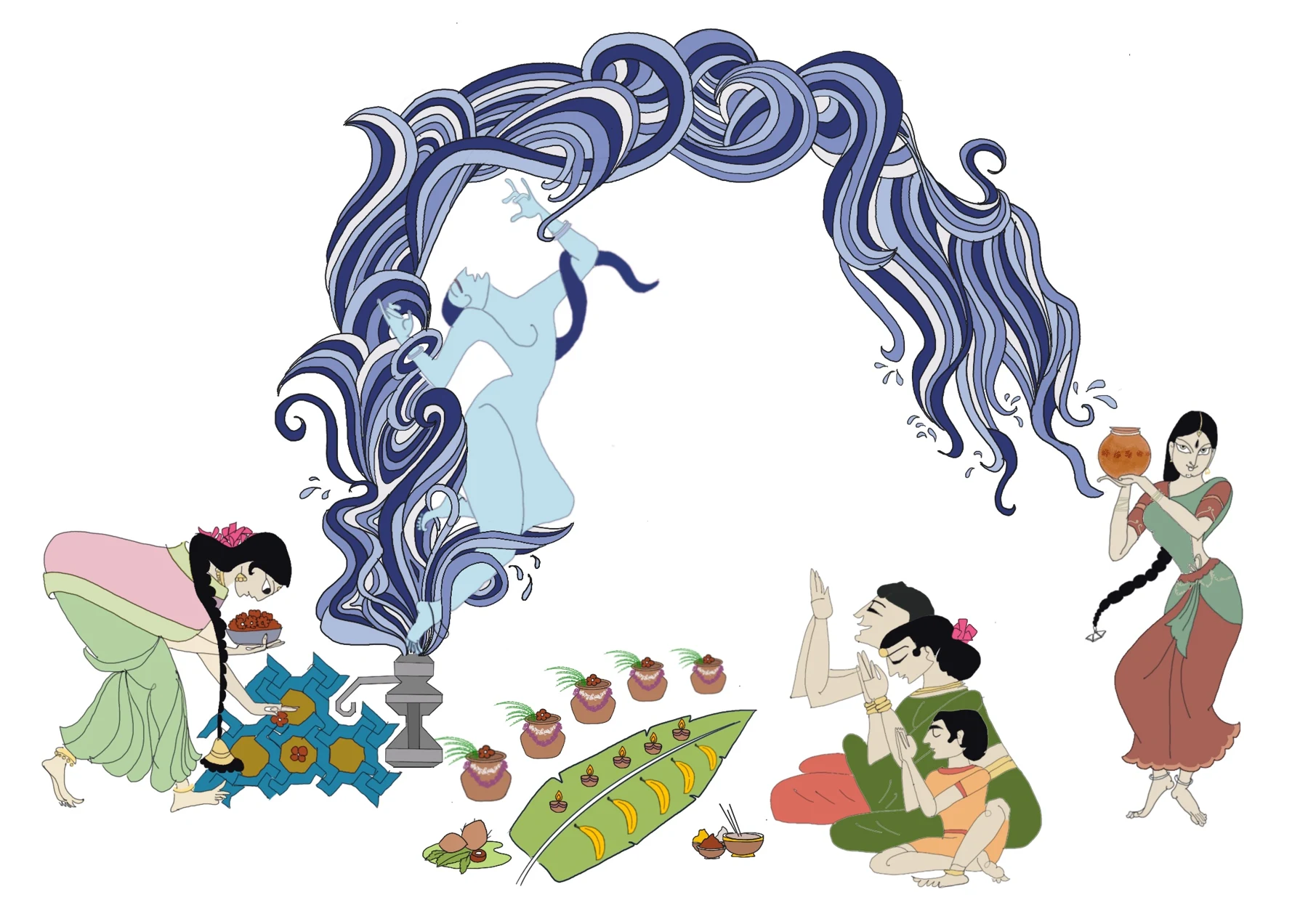
Sometimes, I rise from the earth through the sound of a hand pump—the only source of life in a dry landscape. Before touching the handle, they fold their hands to Gangamma. They decorate the pump with turmeric, kumkum, flowers, and prayers, because they understand that the metal itself is not sacred—I am. The water that emerges from within the ground is what keeps the crops alive, the families fed, and the village breathing through another season.
I have watched generations gather around me during births, marriages, harvests, and moments of uncertainty. Every auspicious occasion begins by remembering me first.
Why is gratitude often felt most deeply only in moments of need?
Water as a conductor of energy and intention.
Emotion / Shringara
Inside their homes, they invite me gently.
Not as a river to cross or a reservoir to depend upon, but as presence itself—held within a pot, decorated with turmeric, vermilion, mango leaves, and prayer. In these moments, I become more than water. I become intention, blessing, memory, and the quiet force that binds families together. Women gather around me during Nomulu, tying sacred threads, exchanging vessels, retelling stories passed from mother to daughter across generations. Their rituals are not grand spectacles performed in temples; they unfold within kitchens, courtyards, and thresholds of homes. Here, devotion lives in everyday gestures.
In the Kūrādu–Nīrādu Nomu, they divide the ritual carefully—one vessel remains within the household, while another is gifted to a married sister. I watch these exchanges silently. Through water, turmeric, clay, and thread, they preserve relationships stretched across distance, marriage, and time. The vessels may appear ordinary, yet once touched by ritual, they begin to carry emotion, obligation, continuity, and care.
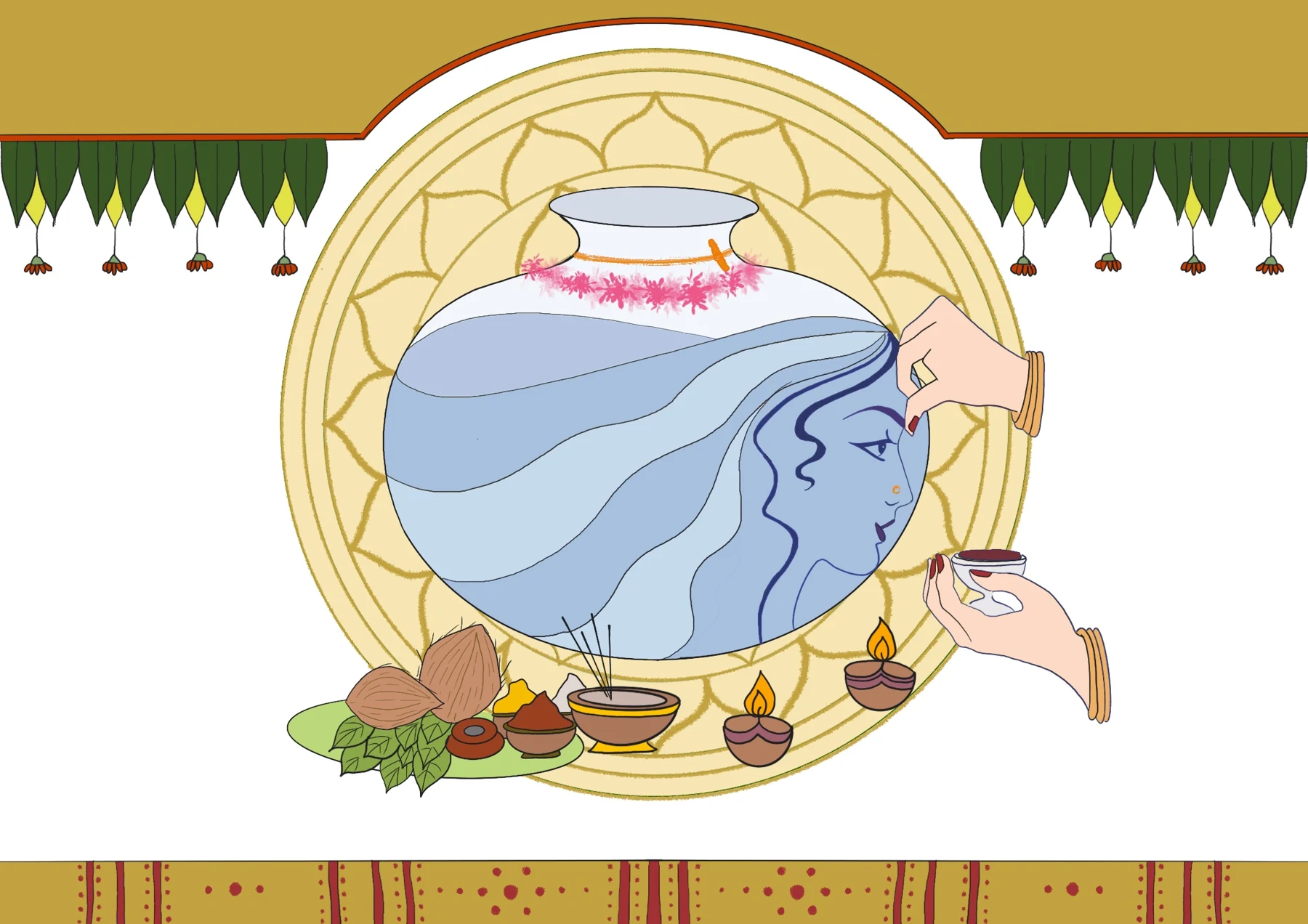
If I can be adorned with such care within the home, could they also recognize it in the rivers, lakes, wells, and streams that exist beyond their doorsteps?
The rivers thinned, the wells deepend, the hand pumps fell silent, and the pots remained empty.
For the first time, there was silence, Perhaps absence is the final emotion water cannot narrate.